

Hey there! As a supplier of container spreaders, I know firsthand how crucial it is to ensure the safety of workers around these pieces of equipment. Container spreaders are essential for handling shipping containers in ports, terminals, and warehouses. But with their size and complexity, they also pose significant risks if not managed properly. In this blog, I'll share some practical tips on how to keep your workers safe when working around container spreaders.
1. Training and Education
First things first, proper training is non - negotiable. Every worker who will be in the vicinity of a container spreader should receive comprehensive training. This training should cover the basic operation of the spreader, including how it attaches to and detaches from containers. Workers need to understand the controls, the different types of movements the spreader can make, and how to read the indicator lights and displays.
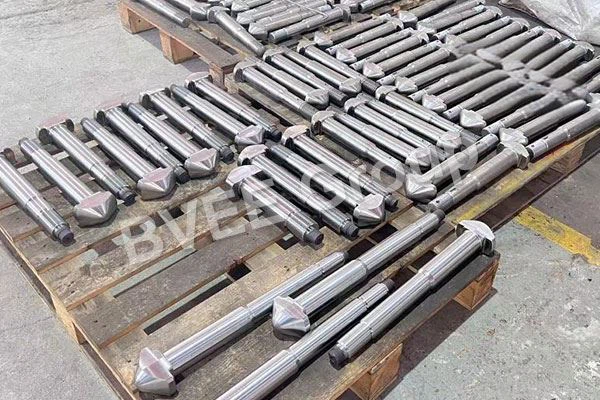
For example, they should know how to operate the Twistlock Pin. These pins are used to secure the container to the spreader. A worker who doesn't know how to use them correctly could end up with an unsecured container, which is extremely dangerous. Training should also include how to handle emergency situations, like what to do if the spreader malfunctions or if there's a power outage.
Regular refresher courses are also a must. Technology and safety standards are always evolving, so workers need to stay up - to - date. You can also use real - life case studies during training to make the lessons more relatable. For instance, share stories of accidents that could have been avoided with proper knowledge and training.

2. Pre - operation Checks
Before starting any work with a container spreader, a thorough pre - operation check should be carried out. This is like giving your car a once - over before a long drive. Check the structural integrity of the spreader. Look for any signs of cracks, rust, or wear and tear on the frame, arms, and other components.
Inspect the Twist Lock Stacking Pin to make sure they are in good condition. They should be able to rotate smoothly and lock into place securely. Check the electrical and hydraulic systems as well. Make sure all the hoses are intact, there are no leaks, and the electrical connections are tight.
It's also important to check the safety devices. The spreader should be equipped with emergency stop buttons, limit switches, and overload protection. Test these devices to ensure they are working properly. If any issues are found during the pre - operation check, the spreader should not be used until the problems are fixed.
3. Clear Communication
Good communication is the key to safety in any workplace, and it's especially important around container spreaders. There should be a clear communication system in place between the operator of the spreader, the workers on the ground, and other personnel in the area.
Use standardized hand signals or radio communication. Everyone involved should be familiar with these signals and codes. For example, a specific hand signal could mean "stop the spreader" or "lower the container." Radio communication should be clear and concise. Avoid using jargon or slang that might be misinterpreted.
Set up a designated person to be in charge of coordinating the operations. This person can act as a central point of communication, making sure that everyone is on the same page. They can also keep an eye on the overall situation and make quick decisions if something goes wrong.
4. Safe Work Zones
Establishing safe work zones around the container spreader is essential. Mark these zones clearly with barriers, signs, or painted lines on the ground. Only authorized personnel should be allowed inside these zones.
The size of the work zone will depend on the size and movement range of the spreader. Make sure there is enough space for the spreader to operate without hitting any obstacles or people. Workers outside the work zone should also be aware of the potential risks. They should know to stay clear of the area when the spreader is in operation.
If there are other equipment or vehicles in the vicinity, make sure there is enough separation between them and the spreader. This will prevent collisions and other accidents.
5. Personal Protective Equipment (PPE)
PPE is a basic but vital part of worker safety. All workers in the area of the container spreader should wear appropriate PPE. This includes hard hats to protect against falling objects, safety glasses to shield the eyes from debris, and steel - toed boots to protect the feet.
Depending on the specific tasks, workers may also need to wear high - visibility vests so they can be easily seen by the spreader operator. If there is a risk of noise exposure, ear protection should be provided. Make sure the PPE is in good condition and fits properly. Workers should be trained on how to use and maintain their PPE.
6. Maintenance and Inspection
Regular maintenance and inspection of the container spreader are crucial for its safe operation. Create a maintenance schedule and stick to it. This should include routine tasks like lubricating moving parts, tightening bolts, and replacing worn - out components.
Inspections should be carried out by qualified technicians. They can use specialized tools and techniques to detect any potential problems early on. For example, non - destructive testing methods can be used to check for internal cracks in the spreader's structure.
Keep detailed records of all maintenance and inspection activities. This will help you track the history of the spreader and identify any recurring issues. If a major repair or modification is made to the spreader, make sure all workers are informed and retrained if necessary.
7. Risk Assessment
Conduct a regular risk assessment of the work environment around the container spreader. Identify all the potential hazards, such as the risk of falling containers, electrical hazards, or the danger of being caught between moving parts.
Once the hazards are identified, develop strategies to mitigate them. For example, if there is a risk of containers falling due to improper locking, implement additional safety measures like secondary locking devices.
Review and update the risk assessment regularly. As the work environment changes, new hazards may emerge, and existing ones may become more or less significant.
8. Emergency Preparedness
No matter how many safety measures you have in place, emergencies can still happen. That's why it's important to have an emergency preparedness plan. This plan should include procedures for dealing with fires, spills, equipment failures, and medical emergencies.
Have emergency exits clearly marked and make sure workers know where they are. Provide first - aid kits and train some workers in first - aid procedures. Conduct regular emergency drills so that everyone knows what to do in a real - life situation.
If an accident does occur, it's important to conduct a thorough investigation. Find out what went wrong, who was involved, and what steps can be taken to prevent similar accidents in the future.
In conclusion, ensuring the safety of workers around a container spreader is a multi - faceted task. It requires a combination of training, proper equipment maintenance, clear communication, and a strong safety culture. By following these tips, you can significantly reduce the risk of accidents and create a safer work environment for everyone.
If you're in the market for a reliable and safe container spreader, or if you have any questions about the safety of using container spreaders, don't hesitate to reach out. We're here to help you make the best choices for your operations.
References
- Various industry safety guidelines and standards related to container handling equipment.
- Case studies from port and terminal operations regarding container spreader safety.


