

As a provider of headblock spreaders, I've witnessed firsthand the critical role these devices play in the smooth operation of container handling at ports and terminals. The performance of a headblock spreader can significantly impact efficiency, safety, and overall productivity. However, various factors can affect its performance, including environmental conditions, mechanical wear and tear, and operational practices. In this blog post, I'll share some strategies on how to minimize the impact of these factors and ensure optimal performance of your headblock spreader.
Understanding the Factors Affecting Headblock Spreader Performance
Before we delve into the strategies, it's essential to understand the key factors that can influence the performance of a headblock spreader.
Environmental Conditions
Environmental factors such as wind, rain, and temperature can have a significant impact on the operation of a headblock spreader. Strong winds can cause the spreader to sway, making it difficult to accurately position containers. Rain and moisture can lead to corrosion and electrical malfunctions, while extreme temperatures can affect the performance of hydraulic and mechanical components.
Mechanical Wear and Tear
Like any mechanical equipment, headblock spreaders are subject to wear and tear over time. Frequent use, heavy loads, and harsh operating conditions can cause components such as gears, bearings, and hydraulic cylinders to degrade. This can lead to reduced performance, increased maintenance requirements, and even safety hazards.
Operational Practices
The way a headblock spreader is operated can also affect its performance. Improper handling, overloading, and failure to follow maintenance schedules can all contribute to premature wear and tear and reduced efficiency. Additionally, operator training and experience play a crucial role in ensuring safe and efficient operation.
Strategies to Minimize the Impact of Factors on Headblock Spreader Performance
Now that we understand the factors that can affect headblock spreader performance, let's explore some strategies to minimize their impact.
Regular Maintenance and Inspection
One of the most effective ways to ensure optimal performance of your headblock spreader is to implement a regular maintenance and inspection program. This should include routine checks of all components, lubrication of moving parts, and replacement of worn or damaged parts. By identifying and addressing potential issues early on, you can prevent costly breakdowns and extend the lifespan of your spreader.
For example, regular inspections of the hydraulic system can help detect leaks, worn seals, and other issues that can affect performance. Similarly, checking the condition of the electrical components can prevent malfunctions and ensure safe operation.
Environmental Protection
To minimize the impact of environmental conditions on your headblock spreader, it's important to take appropriate protective measures. This may include installing weather covers to protect the spreader from rain and snow, using corrosion-resistant materials, and implementing a dehumidification system to prevent moisture buildup.
In addition, monitoring weather conditions and adjusting operations accordingly can help reduce the risk of damage caused by strong winds or extreme temperatures. For instance, during high winds, it may be necessary to suspend operations or use additional safety measures to secure the spreader.
Operator Training and Education
Proper operator training and education are essential for ensuring safe and efficient operation of your headblock spreader. Operators should be trained on the correct use of the equipment, including proper handling techniques, load limits, and safety procedures. Regular refresher courses can also help keep operators up-to-date on the latest best practices and safety regulations.
By investing in operator training, you can reduce the risk of accidents and damage to the spreader, as well as improve overall productivity. Additionally, well-trained operators are more likely to identify and report potential issues early on, allowing for timely maintenance and repairs.
Use of High-Quality Components
Using high-quality components in your headblock spreader can significantly improve its performance and reliability. When selecting components such as gears, bearings, and hydraulic cylinders, it's important to choose products from reputable manufacturers that meet or exceed industry standards.

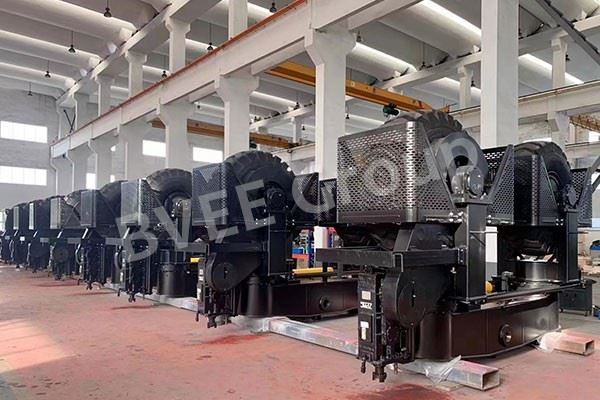
High-quality components are typically more durable, resistant to wear and tear, and less likely to fail. This can reduce maintenance requirements, increase uptime, and ultimately save you money in the long run.
Implementing Technology Solutions
Advancements in technology have led to the development of various solutions that can help improve the performance of headblock spreaders. For example, the use of sensors and monitoring systems can provide real-time data on the condition of the spreader, allowing for proactive maintenance and early detection of potential issues.
Additionally, automation and remote control capabilities can improve efficiency and reduce the risk of human error. For instance, automated container handling systems can optimize the movement of containers, reducing cycle times and increasing throughput.
Conclusion
In conclusion, minimizing the impact of factors on headblock spreader performance is crucial for ensuring safe, efficient, and productive container handling operations. By implementing a comprehensive maintenance and inspection program, taking appropriate environmental protection measures, investing in operator training, using high-quality components, and leveraging technology solutions, you can optimize the performance of your headblock spreader and extend its lifespan.
If you're in the market for a Headblock Spreader, Port Crane Spreader, or Hook Beam Spreader, we invite you to contact us to discuss your specific needs. Our team of experts can provide you with personalized recommendations and solutions to help you achieve your operational goals.
References
- "Container Handling Equipment Maintenance Best Practices," International Association of Ports and Harbors.
- "Hydraulic System Maintenance Guide," Hydraulics Institute.
- "Operator Training and Safety in Container Handling," World Maritime University.


