

As a supplier of RTG (Rubber Tyred Gantry) cranes, I'm often asked about the advantages of these machines. They're well - known for their flexibility, mobility, and ability to operate in container yards without the need for a fixed rail system. However, like any piece of heavy machinery, RTG cranes also come with their share of disadvantages. In this blog, I'll delve into some of the key drawbacks of RTG cranes that potential buyers should be aware of.
High Initial Investment
One of the most significant disadvantages of RTG cranes is the high initial cost. These cranes are complex pieces of equipment, incorporating advanced technology for lifting, moving, and stacking containers. The cost of manufacturing, transporting, and installing an RTG crane is substantial. Additionally, the price includes not only the mechanical structure but also the sophisticated control systems, safety devices, and power supply units. For smaller port operators or businesses with limited capital, this high upfront cost can be a major barrier to entry. It may force them to look for more budget - friendly alternatives, such as rail - mounted gantry (RMG) cranes or other less expensive lifting solutions.
High Operational Costs
The operational costs of RTG cranes are also relatively high. These cranes typically run on diesel generators, which consume a large amount of fuel. As fuel prices are subject to market fluctuations, the cost of operating an RTG crane can vary significantly over time. Moreover, the maintenance of diesel engines requires regular servicing, including oil changes, filter replacements, and engine tune - ups. This not only adds to the operational expenses but also requires a skilled maintenance team to ensure the proper functioning of the engine.
In addition to fuel and maintenance costs, RTG cranes also consume a significant amount of electricity for their various auxiliary systems, such as lighting, control panels, and hydraulic pumps. This further contributes to the overall operational costs.
Environmental Impact
Another drawback of RTG cranes is their environmental impact. As mentioned earlier, most RTG cranes are powered by diesel generators. Diesel engines emit pollutants such as particulate matter, nitrogen oxides (NOx), and sulfur dioxide (SO2), which are harmful to the environment and human health. These emissions contribute to air pollution, smog formation, and can have long - term effects on local ecosystems.
In recent years, there has been an increasing focus on environmental regulations in the port industry. Port operators are under pressure to reduce their carbon footprint and comply with stricter emission standards. The use of RTG cranes with diesel engines may limit a port's ability to meet these environmental goals. To address this issue, some manufacturers have started developing hybrid or fully electric RTG cranes. However, these alternative models also come with their own set of challenges, such as higher costs and limited battery life.
Limited Lifting Capacity Compared to Some Alternatives
When compared to certain other types of gantry cranes, such as large - scale rail - mounted gantry cranes, RTG cranes generally have a more limited lifting capacity. While they are suitable for handling standard shipping containers, they may not be the best choice for extremely heavy or oversized loads. In ports where there is a need to handle large - volume or heavy - duty cargo, the limited lifting capacity of RTG cranes can be a significant disadvantage. This may require port operators to invest in additional types of cranes to meet their diverse cargo - handling needs, increasing the overall capital expenditure.
Mobility and Stability Trade - off
The mobility of RTG cranes, which is one of their main advantages, also comes with a trade - off in terms of stability. RTG cranes move on rubber tires, which provide flexibility but can be less stable compared to cranes that run on rails. In adverse weather conditions, such as strong winds or heavy rain, the risk of the crane tipping over is relatively higher. To mitigate this risk, RTG cranes are often equipped with additional stability features, such as outriggers and anti - sway systems. However, these features add to the complexity and cost of the crane.
Moreover, the rubber tires of RTG cranes are subject to wear and tear. Frequent use on uneven surfaces can cause the tires to wear out quickly, requiring regular replacement. This not only adds to the maintenance cost but also can lead to downtime for the crane while the tires are being changed.
Noise Pollution
RTG cranes can also be a source of significant noise pollution. The operation of the diesel engine, the movement of the crane's components, and the lifting and lowering of containers all generate noise. In a port environment, where there are often residential areas nearby, this noise can be a nuisance to local residents. Stricter noise regulations are being implemented in many areas, and port operators may face challenges in complying with these regulations when using RTG cranes. Some manufacturers are working on developing quieter models, but this technology is still in the early stages of development and may not be widely available or cost - effective yet.

Technical Complexity and Training Requirements
RTG cranes are highly technical machines that require specialized knowledge for operation and maintenance. The control systems, safety features, and hydraulic mechanisms are all complex and need to be understood thoroughly by the operators and maintenance staff. Training new employees to operate and maintain RTG cranes can be time - consuming and expensive. A lack of properly trained personnel can lead to operational inefficiencies, increased maintenance costs, and even safety hazards.
The complexity of RTG cranes also means that when a breakdown occurs, it can be difficult to diagnose and repair the problem quickly. This can result in extended downtime for the crane, which can have a significant impact on the port's productivity.
Dependency on Good Surface Conditions
RTG cranes rely on rubber tires to move, which means they are highly dependent on good surface conditions. Uneven or damaged surfaces can cause problems for the tires, leading to increased wear and tear, reduced mobility, and even potential safety issues. In container yards where the ground may be subject to heavy traffic and load, maintaining a smooth and even surface can be a challenge. Port operators may need to invest in regular surface maintenance and repair to ensure the proper operation of RTG cranes, which adds to the overall cost of ownership.
Despite these disadvantages, RTG cranes still have their place in the port industry. Their flexibility and mobility make them suitable for many container yards, especially those with limited space or where a high degree of maneuverability is required. If you're considering purchasing an RTG crane, it's important to weigh these drawbacks against the benefits and your specific operational requirements.
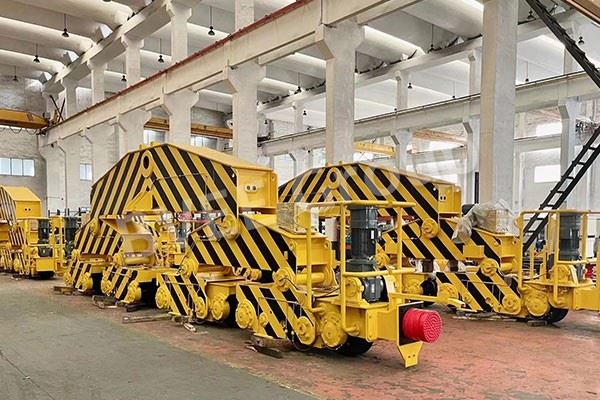
If you're interested in learning more about our Port Terminal Travelling Mechanism or Rubber Tyred Gantry Crane offerings, or if you have any questions about how these disadvantages might affect your operations, I encourage you to reach out to us for a detailed discussion. We can help you evaluate whether an RTG crane is the right choice for your port or container yard.
References
- Port Equipment Manufacturer's Association (PEMA) reports on gantry crane technology and performance.
- International Maritime Organization (IMO) regulations on port equipment emissions.
- Industry whitepapers on the cost - benefit analysis of different types of gantry cranes.


