As a seasoned supplier of crane hoist drums, I've had the privilege of witnessing firsthand the critical role these components play in the smooth operation of cranes across various industries. One of the most frequently asked questions by our clients is about the installation dimensions of a crane hoist drum. In this blog post, I'll delve into this topic, providing you with a comprehensive understanding of the key factors and considerations.
Understanding the Basics of Crane Hoist Drums
Before we dive into the installation dimensions, let's briefly review what a crane hoist drum is and its function. A crane hoist drum is a cylindrical component that is used to wind and unwind the wire rope, which is essential for lifting and lowering loads. It is typically mounted on the crane's hoist mechanism and is driven by an electric motor or a hydraulic system.
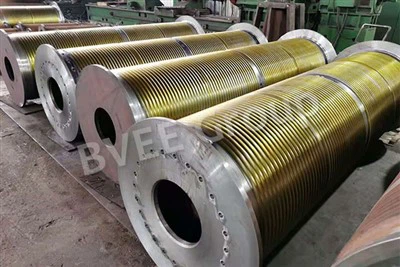
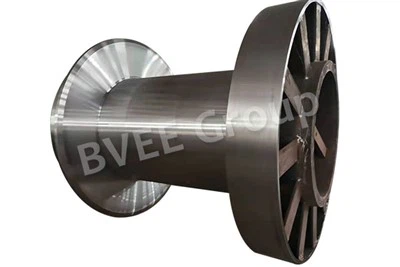
There are different types of crane hoist drums available in the market, each designed to meet specific requirements. For instance, the Crane Wire Rope Drum is commonly used in general-purpose cranes, while the STS Crane Hoist Drum is specifically designed for ship-to-shore (STS) cranes.
Key Installation Dimensions
The installation dimensions of a crane hoist drum are crucial for ensuring proper alignment, functionality, and safety. Here are the main dimensions that you need to consider:
1. Drum Diameter
The drum diameter is one of the most important dimensions as it directly affects the lifting capacity and the speed of the crane. A larger drum diameter allows for a greater amount of wire rope to be wound around it, which in turn increases the lifting height. However, it also requires more power to rotate the drum. On the other hand, a smaller drum diameter is suitable for applications where space is limited or where a lower lifting height is required.
When selecting the drum diameter, you need to consider the following factors:
- Lifting Capacity: The drum diameter should be selected based on the maximum lifting capacity of the crane. A larger drum diameter is generally required for higher lifting capacities.
- Wire Rope Size: The drum diameter should be compatible with the size of the wire rope. As a general rule, the drum diameter should be at least 20 times the diameter of the wire rope.
- Lifting Height: The drum diameter should be selected to accommodate the required lifting height. A larger drum diameter allows for a greater amount of wire rope to be wound around it, which increases the lifting height.
2. Drum Length
The drum length is another important dimension that determines the amount of wire rope that can be wound around the drum. It is typically determined by the lifting height and the number of layers of wire rope required. A longer drum length allows for more wire rope to be wound around it, which increases the lifting height. However, it also requires more space and can increase the weight of the crane.
When selecting the drum length, you need to consider the following factors:
- Lifting Height: The drum length should be selected to accommodate the required lifting height. A longer drum length allows for more wire rope to be wound around it, which increases the lifting height.
- Number of Layers: The drum length should be selected to accommodate the number of layers of wire rope required. As a general rule, the number of layers should not exceed three to four to prevent excessive wear and tear on the wire rope.
- Space Constraints: The drum length should be selected based on the available space on the crane. A longer drum length requires more space and can increase the weight of the crane.
3. Shaft Diameter
The shaft diameter is the diameter of the shaft that supports the drum. It is an important dimension as it determines the strength and the stability of the drum. A larger shaft diameter provides more support and reduces the risk of bending or breaking. However, it also requires more power to rotate the drum.
When selecting the shaft diameter, you need to consider the following factors:
- Lifting Capacity: The shaft diameter should be selected based on the maximum lifting capacity of the crane. A larger shaft diameter is generally required for higher lifting capacities.
- Drum Size: The shaft diameter should be compatible with the size of the drum. As a general rule, the shaft diameter should be at least one-third of the drum diameter.
- Speed of Rotation: The shaft diameter should be selected to accommodate the speed of rotation of the drum. A larger shaft diameter is required for higher speeds of rotation.
4. Flange Diameter
The flange diameter is the diameter of the flanges that are located at the ends of the drum. It is an important dimension as it provides a guide for the wire rope and prevents it from slipping off the drum. A larger flange diameter provides more support and reduces the risk of the wire rope jumping out of the groove.
When selecting the flange diameter, you need to consider the following factors:
- Wire Rope Size: The flange diameter should be compatible with the size of the wire rope. As a general rule, the flange diameter should be at least 1.5 times the diameter of the wire rope.
- Lifting Height: The flange diameter should be selected to accommodate the required lifting height. A larger flange diameter allows for more wire rope to be wound around it, which increases the lifting height.
- Safety Requirements: The flange diameter should be selected to meet the safety requirements of the crane. A larger flange diameter provides more support and reduces the risk of the wire rope jumping out of the groove.
Considerations for Installation
In addition to the key installation dimensions, there are several other considerations that you need to keep in mind when installing a crane hoist drum:
1. Alignment
Proper alignment is crucial for ensuring the smooth operation of the crane hoist drum. The drum should be aligned with the wire rope and the hoist mechanism to prevent excessive wear and tear on the wire rope and the drum. Misalignment can also cause the wire rope to jump out of the groove, which can be dangerous.
2. Mounting
The crane hoist drum should be mounted securely to the crane's hoist mechanism to prevent vibration and movement. It is important to use the correct mounting hardware and to follow the manufacturer's instructions for installation.
3. Lubrication
Proper lubrication is essential for ensuring the smooth operation and longevity of the crane hoist drum. The drum should be lubricated regularly to reduce friction and wear on the wire rope and the drum. It is important to use the correct type of lubricant and to follow the manufacturer's recommendations for lubrication.
4. Maintenance
Regular maintenance is crucial for ensuring the safe and efficient operation of the crane hoist drum. The drum should be inspected regularly for signs of wear and tear, and any damaged or worn components should be replaced immediately. It is also important to follow the manufacturer's recommendations for maintenance and to keep a record of all maintenance activities.
Conclusion
The installation dimensions of a crane hoist drum are crucial for ensuring proper alignment, functionality, and safety. By understanding the key dimensions and considerations, you can select the right crane hoist drum for your application and ensure its proper installation and maintenance.
If you have any questions or need further information about the installation dimensions of a crane hoist drum, please don't hesitate to contact us. We are a leading supplier of crane hoist drums and have extensive experience in providing high-quality products and services to our clients. We would be happy to assist you with your procurement needs and to answer any questions you may have.


References
- Crane Manufacturers Association of America (CMAA). (2016). Specification for Overhead and Gantry Cranes (Top Running Bridge, Single Girder, Underhung Hoist).
- American Society of Mechanical Engineers (ASME). (2014). B30.2 - Overhead and Gantry Cranes (Top Running Bridge, Single or Multiple Girder, Top Running Trolley Hoist).
- International Organization for Standardization (ISO). (2019). ISO 4301-1:2019 - Cranes - Classification - Part 1: General.