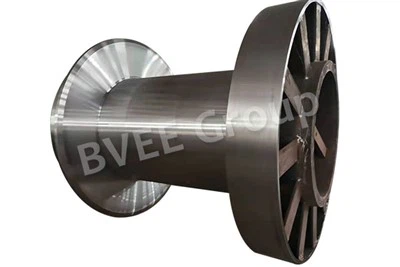
What are the safety devices for a crane hoist drum?
As a supplier of crane hoist drums, I understand the critical importance of safety in the operation of these essential industrial components. Crane hoist drums are used in a wide range of applications, from construction sites and manufacturing plants to ports and shipping yards, and ensuring their safe operation is paramount for the well - being of workers and the protection of property. In this blog post, I will discuss the various safety devices commonly used for crane hoist drums.
1. Overload Protection Devices
One of the most important safety devices for a crane hoist drum is the overload protection device. Overloading a crane hoist drum can lead to serious damage to the equipment, as well as pose a significant risk of accidents. Overload protection devices work by monitoring the load being lifted and preventing the crane from lifting more than its rated capacity.


There are several types of overload protection devices. Load cells are commonly used in modern crane systems. These devices are placed in the hoisting mechanism and can accurately measure the weight of the load. When the load exceeds the pre - set limit, the load cell sends a signal to the control system, which then stops the hoisting operation. Another type is the torque limiter. It measures the torque applied to the hoist drum shaft. If the torque exceeds the safe limit, indicating an overload, the limiter will cut off the power supply to the hoist motor.
2. Limit Switches
Limit switches are another crucial safety feature for crane hoist drums. They are used to control the movement of the hoist in both the upward and downward directions.
Upper limit switches are installed to prevent the hoist from over - traveling upwards. When the hook or the lifting device reaches a certain height, the upper limit switch is activated, and the power to the hoist motor is cut off, stopping the upward movement. This helps to prevent the wire rope from being pulled out of the drum completely, which could lead to a dangerous and potentially catastrophic situation.
Lower limit switches, on the other hand, are used to limit the downward movement of the hoist. They ensure that the hook does not go too far down and cause damage to the equipment on the ground or the hoist itself. When the hook reaches the pre - determined lower position, the lower limit switch is triggered, and the hoist motor stops its downward operation.
3. Brake Systems
Brake systems play a vital role in the safety of crane hoist drums. They are responsible for holding the load in place and preventing it from falling in case of a power failure or other emergencies.
There are typically two types of brakes used in crane hoist drums: mechanical brakes and electromagnetic brakes. Mechanical brakes use friction to hold the drum in place. They are often spring - applied, which means that the brake is engaged by springs and can be released by applying hydraulic or pneumatic pressure. This design ensures that the brake is engaged automatically in case of a power failure, providing a fail - safe mechanism.
Electromagnetic brakes, on the other hand, use an electromagnetic field to engage and disengage the brake. They offer quick response times and can be easily controlled by the crane's electrical system. In normal operation, the electromagnetic force holds the brake in the released position. When the power is cut off or an emergency stop signal is sent, the electromagnetic field collapses, and the brake is applied to stop the rotation of the hoist drum.
4. Wire Rope Monitoring Systems
The wire rope is a critical component of the crane hoist drum system, and its integrity is essential for safe operation. Wire rope monitoring systems are used to detect any signs of wear, damage, or fatigue in the wire rope.
These systems use various technologies such as ultrasonic testing, magnetic flux leakage testing, or visual inspection with advanced cameras. Ultrasonic testing can detect internal flaws in the wire rope, such as cracks or corrosion. Magnetic flux leakage testing is effective in identifying broken wires or other defects on the surface of the rope. Visual inspection systems can provide real - time images of the wire rope, allowing operators to spot any visible signs of damage easily.
When the monitoring system detects a problem with the wire rope, it can send an alarm to the operator, indicating that maintenance or replacement is required. This helps to prevent wire rope failures, which could result in the loss of the load and endanger the safety of the workers.
5. Anti - Two - Blocking Devices
Anti - two - blocking devices are designed to prevent a serious condition known as "two - blocking." Two - blocking occurs when the hook block comes into contact with the boom tip or the hoist drum itself, which can cause severe damage to the equipment and pose a significant safety risk.
There are different types of anti - two - blocking devices. Some use mechanical sensors that are triggered when the hook block approaches a certain distance from the boom tip. These sensors then send a signal to the control system to stop the upward movement of the hoist. Other anti - two - blocking devices use proximity sensors or optical sensors to detect the position of the hook block and prevent two - blocking situations.
Importance of Choosing the Right Safety Devices
As a crane hoist drum supplier, I always emphasize the importance of choosing the right safety devices for each specific application. Different industries and working environments have different requirements, and the safety devices need to be selected and installed accordingly.
For example, in a harsh outdoor environment such as a construction site, the safety devices need to be rugged and weather - resistant. In a high - precision manufacturing plant, the safety devices may need to have high accuracy and reliability to ensure the smooth operation of the production process.
Moreover, regular maintenance and inspection of the safety devices are also crucial. Over time, the performance of the safety devices may degrade due to wear and tear, and any malfunction should be detected and repaired promptly to ensure the continued safe operation of the crane hoist drum.
When it comes to the types of crane hoist drums we supply, we have a wide range of products, including the Crane Wire Rope Drum and the STS Crane Hoist Drum. These drums are designed to work in harmony with the various safety devices mentioned above, providing a comprehensive and reliable lifting solution.
If you are in need of a crane hoist drum or want to learn more about the safety devices for crane hoist drums, we are here to help. Our team of experts can provide you with professional advice and customized solutions based on your specific needs. We are committed to delivering high - quality products and services to ensure the safety and efficiency of your lifting operations. Contact us to start a procurement discussion, and let's work together to find the best solution for your business.