

What are the wind - resistance capabilities of a gantry crane?
As a gantry crane supplier, I've encountered numerous inquiries regarding the wind - resistance capabilities of these massive and crucial pieces of equipment. Gantry cranes are widely used in various industries, including ports, shipyards, and construction sites. Their exposure to the elements, especially wind, makes understanding their wind - resistance capabilities essential for safe and efficient operation.
Understanding Wind Forces on Gantry Cranes
Wind exerts different types of forces on gantry cranes. The primary forces are drag force, lift force, and moment force. Drag force acts in the direction of the wind flow and tries to push the crane horizontally. Lift force acts perpendicular to the wind flow and can potentially lift parts of the crane off the ground. Moment force creates a rotational effect around the crane's base, which can cause instability.
The magnitude of these forces depends on several factors. The wind speed is the most obvious one. Higher wind speeds generate stronger forces. For instance, a gentle breeze might not pose a significant threat, but a hurricane - force wind can be extremely dangerous. The shape and size of the gantry crane also play a crucial role. A larger crane with a greater surface area will experience more wind force compared to a smaller one. Additionally, the height of the crane affects the wind forces it experiences, as wind speed generally increases with height.
Design Features for Wind Resistance
To enhance the wind - resistance capabilities of gantry cranes, several design features are incorporated. One of the most common is the use of aerodynamic shapes. By designing the crane's structure to minimize the surface area exposed to the wind, the drag force can be reduced. For example, some modern gantry cranes have streamlined booms and frames that allow the wind to flow more smoothly around them.
Another important design aspect is the stability of the base. A wide and heavy base provides a larger footprint and more resistance against the moment force. Some gantry cranes are equipped with counterweights to further enhance stability. These counterweights are strategically placed to balance the forces exerted by the wind and the load being lifted.
In addition, gantry cranes often have locking mechanisms. These mechanisms can secure the crane to the ground or the rail system during high - wind conditions. For example, rail clamps can be engaged to prevent the crane from moving along the rails due to wind forces. Some advanced cranes also have automatic locking systems that activate when the wind speed reaches a certain threshold.
Testing and Certification
Before a gantry crane is put into use, it undergoes rigorous testing to ensure its wind - resistance capabilities. These tests are conducted in accordance with international standards and regulations. The crane is subjected to different wind speeds and directions in a controlled environment, such as a wind tunnel or a test site. During the testing process, various sensors are used to measure the forces acting on the crane and to monitor its performance.
Once the crane passes the testing phase, it can obtain relevant certifications. These certifications are important as they provide assurance to the customers that the crane meets the required safety and performance standards. For example, the ISO standards for gantry cranes include specific requirements for wind - resistance testing and performance.
Impact of Wind on Crane Operation
High - wind conditions can significantly impact the operation of gantry cranes. At wind speeds above a certain limit, crane operation is usually halted to prevent accidents. Even at lower wind speeds, the crane operator needs to be more cautious. The wind can affect the accuracy of load positioning, as the load may sway due to the wind forces. This requires the operator to make adjustments to the lifting and moving operations.
In addition, continuous exposure to high - wind conditions can cause wear and tear on the crane's components. The wind can cause vibrations, which may lead to loosening of bolts and other fasteners. Over time, this can affect the structural integrity of the crane. Therefore, regular maintenance and inspection are essential to ensure the crane's long - term performance and safety.
Our Company's Solutions
As a gantry crane supplier, we offer a range of gantry cranes with excellent wind - resistance capabilities. Our cranes are designed using the latest engineering techniques and incorporate all the necessary design features for wind resistance. We also provide customized solutions based on the specific requirements of our customers, such as the wind conditions at the installation site.
We have a team of experienced engineers who can conduct on - site evaluations to determine the most suitable crane for a particular location. They can analyze the wind patterns, the height of the crane, and other factors to ensure that the crane will perform safely and efficiently.
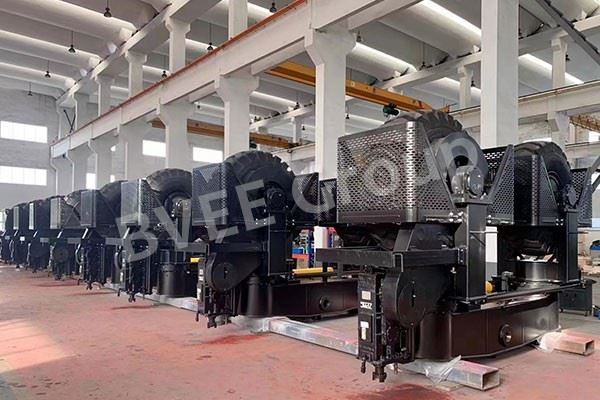
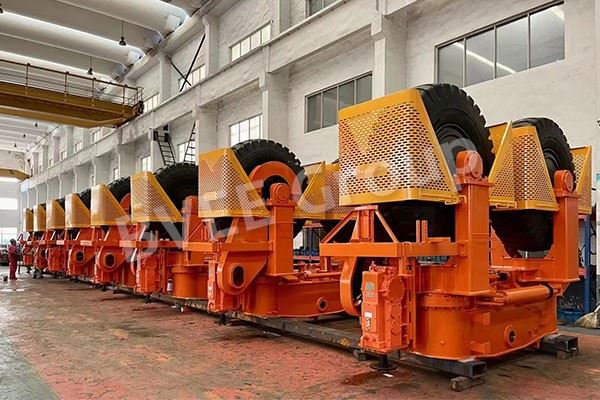
In addition to our standard gantry cranes, we also offer a variety of accessories that can enhance the wind - resistance of the cranes. For example, our Hook Beam Spreader is designed to be aerodynamic and can reduce the wind forces acting on the load during lifting. Our STS Container Terminal Wheels Assembly is engineered to provide better stability, especially in windy conditions. And our Twist Lock Stacking Pin helps to secure the load more firmly, reducing the risk of it being affected by the wind.
Conclusion
The wind - resistance capabilities of gantry cranes are of utmost importance for their safe and efficient operation. Through proper design, testing, and maintenance, gantry cranes can withstand a wide range of wind conditions. As a gantry crane supplier, we are committed to providing our customers with high - quality cranes that offer excellent wind - resistance. If you are in the market for a gantry crane, we invite you to contact us for a detailed discussion about your requirements. Our team of experts will be happy to assist you in finding the most suitable crane for your needs and ensuring that it meets the highest standards of safety and performance.
References
- ASCE 7 - 16, Minimum Design Loads and Associated Criteria for Buildings and Other Structures.
- ISO 12480 - 1:2018, Cranes - General design - Part 1: General principles and requirements.
- Technical papers on gantry crane design and wind engineering from industry conferences and journals.


