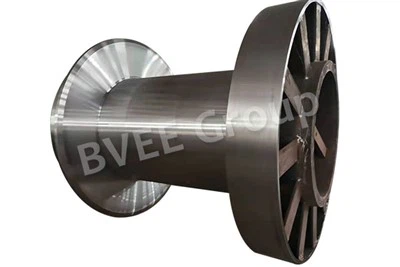
Hey there! I'm a supplier of headblock spreaders, and I often get asked if these nifty pieces of equipment can be used in low - temperature environments. Well, let's dive right into it and find out.


First off, what the heck is a headblock spreader? A headblock spreader, as you can check out Headblock Spreader, is a key piece of gear in the container handling world. It's designed to lift and move containers efficiently in ports, warehouses, and other industrial settings. It attaches to the lifting device and grabs onto the container, making the whole process of moving heavy loads a whole lot easier.
Now, when it comes to low - temperature environments, there are a few things we need to consider. One of the main concerns is the effect of cold on the materials used in the spreader. Most headblock spreaders are made of steel, which is a pretty tough material. But in extremely cold temperatures, steel can become more brittle. This means it's more likely to crack or break under stress.
For example, if you've ever left a metal tool outside in the freezing cold and then tried to bend it, you might have noticed it snaps more easily. The same principle applies to headblock spreaders. The cold can reduce the ductility of the steel, which is its ability to stretch or deform without breaking. So, in a low - temperature environment, the risk of structural failure increases.
Another factor to think about is the hydraulic systems in the spreader. Hydraulic systems are crucial for the operation of headblock spreaders. They're what allow the spreader to open and close its arms, adjust its position, and perform other functions. But hydraulic fluids can thicken in cold temperatures. When the fluid thickens, it becomes harder for the hydraulic pumps to move it around. This can lead to slower operation of the spreader, and in some cases, it might even cause the hydraulic system to fail.
Let's talk about lubricants too. Lubricants are used to reduce friction between moving parts in the spreader. In low - temperature environments, lubricants can lose their effectiveness. They might become too thick to flow properly, or they could even solidify. This can cause increased wear and tear on the moving parts, which can lead to premature failure of the spreader.
However, just because there are these challenges doesn't mean that headblock spreaders can't be used in low - temperature environments. With the right modifications and precautions, they can still work effectively.
One solution is to use special cold - resistant materials. There are steels available that are designed to maintain their ductility even in extremely cold temperatures. These steels are often alloyed with other elements to improve their performance in the cold. By using these cold - resistant steels, the risk of structural failure can be significantly reduced.
For the hydraulic systems, we can use special low - temperature hydraulic fluids. These fluids are formulated to maintain their viscosity in cold temperatures. They don't thicken as much as regular hydraulic fluids, so the hydraulic system can still operate smoothly.
When it comes to lubricants, there are also low - temperature lubricants available. These lubricants are designed to stay fluid in the cold, ensuring that the moving parts of the spreader are properly lubricated.
Another important aspect is maintenance. In a low - temperature environment, regular maintenance becomes even more crucial. Operators need to check the spreader for signs of damage, such as cracks or leaks, more frequently. They also need to monitor the hydraulic fluid levels and the condition of the lubricants.
It's also a good idea to pre - heat the spreader before use in extremely cold conditions. This can help to bring the temperature of the materials and fluids up to a more optimal level, reducing the risk of damage.
Now, let's compare headblock spreaders with other types of spreaders in low - temperature environments. For instance, the Hook Beam Spreader and the Port Crane Spreader.
Hook beam spreaders are designed to lift containers using hooks. They might have a different set of challenges in low - temperature environments. The hooks need to be able to grip the container securely, and the cold can affect the strength of the hooks. However, like headblock spreaders, they can also be modified with cold - resistant materials and appropriate fluids.
Port crane spreaders are often used in large - scale port operations. They're usually larger and more complex than headblock spreaders. In low - temperature environments, the same issues with materials, hydraulic systems, and lubricants apply. But because of their size and complexity, the impact of cold temperatures might be more significant.
In conclusion, while there are challenges associated with using headblock spreaders in low - temperature environments, it's definitely possible with the right approach. By using cold - resistant materials, special fluids and lubricants, and implementing proper maintenance procedures, headblock spreaders can be used effectively in the cold.
If you're in the market for a headblock spreader, especially if you need to use it in a low - temperature environment, we're here to help. We have a range of spreaders that can be customized to meet your specific needs. Whether it's modifying the materials, choosing the right fluids, or providing maintenance advice, we've got you covered. So, if you're interested in learning more or starting a purchase negotiation, don't hesitate to reach out.
References
- ASM Handbook, Volume 1: Properties and Selection: Irons, Steels, and High - Performance Alloys
- Hydraulic Systems: Design, Installation, and Maintenance by Tom O’Donoghue