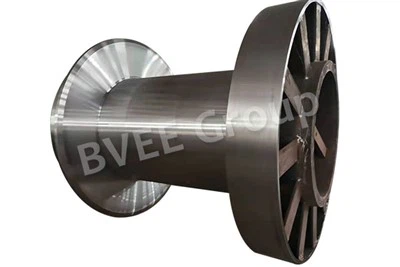
As a wheel assembly supplier, I often get asked the question: "Do I need to balance a new wheel assembly?" This is a crucial query that can significantly impact the performance, safety, and longevity of your equipment. In this blog post, I'll delve into the details of wheel assembly balancing, exploring when it's necessary, the benefits it offers, and how it relates to the various types of wheel assemblies we supply.
Understanding Wheel Assembly Balancing
Before we discuss whether you need to balance a new wheel assembly, it's essential to understand what wheel balancing is. Wheel balancing is the process of equalizing the weight distribution of a wheel and tire assembly. When a wheel is unbalanced, it can cause uneven wear on the tires, suspension components, and even the vehicle or equipment itself. This imbalance can lead to vibrations, which can be felt in the steering wheel, seat, or floorboard, and can also affect the overall handling and stability of the equipment.
When is Balancing Necessary?
Not all new wheel assemblies require balancing. However, there are several situations where balancing is highly recommended:


- High - Speed Applications: If your equipment operates at high speeds, such as some types of cranes or industrial vehicles, balancing is crucial. At high speeds, even a slight imbalance can cause significant vibrations, which can lead to premature wear and tear on the components. For example, in an Overhead Crane Trolley Wheel Assembly that moves quickly along the tracks, an unbalanced wheel can cause excessive stress on the trolley's structure and the tracks themselves.
- Precision Operations: In applications where precision is key, like in some manufacturing processes or in the operation of port cranes, balanced wheels are essential. An unbalanced wheel can cause the equipment to deviate from its intended path, leading to inaccurate positioning and potential damage to the goods being handled. A Port Crane Spare Parts Wheel Assembly used in a busy port needs to operate smoothly and precisely to ensure the efficient loading and unloading of cargo.
- Heavy - Load Carrying: When your equipment is designed to carry heavy loads, balancing becomes even more important. The additional weight can exacerbate the effects of an unbalanced wheel, causing more significant vibrations and putting extra stress on the suspension and other components. Our Traveling Mechanism Parts are often used in heavy - load applications, and balanced wheels are essential for their proper functioning.
Benefits of Balancing a New Wheel Assembly
Balancing a new wheel assembly offers several benefits:
- Improved Safety: Balanced wheels reduce the risk of sudden component failures due to excessive vibrations. This can prevent accidents and ensure the safety of the operators and the surrounding environment. For example, in a crane operation, a balanced wheel assembly reduces the likelihood of the crane tipping over or malfunctioning during operation.
- Extended Component Life: By reducing the uneven wear on tires, bearings, and other components, balancing can significantly extend the lifespan of your equipment. This means less frequent replacements and lower maintenance costs in the long run.
- Enhanced Performance: Balanced wheels provide a smoother ride and better handling. This can improve the overall efficiency of your equipment, allowing it to operate at its optimal level. In a high - speed industrial vehicle, balanced wheels can reduce drag and improve fuel efficiency.
Our Approach as a Wheel Assembly Supplier
As a wheel assembly supplier, we take wheel balancing seriously. We understand the importance of providing our customers with high - quality, balanced wheel assemblies. Our manufacturing process includes strict quality control measures to ensure that each wheel assembly meets the highest standards of balance.
We use advanced balancing equipment to measure and correct any imbalances in the wheel assemblies. Our technicians are highly trained and experienced in the art of wheel balancing, and they follow a meticulous process to ensure that every wheel assembly that leaves our facility is perfectly balanced.
In addition to manufacturing balanced wheel assemblies, we also offer balancing services for existing wheel assemblies. If you have an older wheel assembly that is showing signs of imbalance, our team can diagnose the problem and perform the necessary balancing to restore its performance.
How to Determine if Your Wheel Assembly Needs Balancing
If you're unsure whether your new wheel assembly needs balancing, there are a few signs to look out for:
- Vibrations: If you feel vibrations in the equipment, especially at certain speeds, it could be a sign of an unbalanced wheel assembly. These vibrations can be felt in the steering wheel, seat, or floorboard, depending on the type of equipment.
- Uneven Tire Wear: Check your tires regularly for signs of uneven wear. If one side of the tire is wearing more quickly than the other, it could indicate an imbalance in the wheel assembly.
- Noise: Unbalanced wheels can sometimes cause unusual noises, such as humming or rattling sounds. If you notice any strange noises coming from your equipment, it's worth having the wheel assemblies checked for balance.
Conclusion
In conclusion, while not all new wheel assemblies require balancing, there are many situations where it is highly recommended. Whether you're dealing with high - speed applications, precision operations, or heavy - load carrying, balanced wheels can offer significant benefits in terms of safety, performance, and component longevity.
As a trusted wheel assembly supplier, we are committed to providing our customers with the best - quality, balanced wheel assemblies. If you're in the market for a new wheel assembly or need balancing services for your existing one, we encourage you to reach out to us. Our team of experts can help you determine the best solution for your specific needs and ensure that your equipment operates at its best.
References
- Automotive Engineering Handbook, Society of Automotive Engineers
- Crane Operation and Maintenance Manuals, Industry Standards Publications