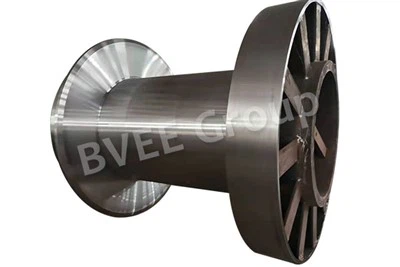
Hey there! As a wheel assembly supplier, I've seen my fair share of the challenges that come with transporting these important components safely. Whether you're shipping a few wheel assemblies for a small project or a large batch for a big industrial operation, getting it right is super crucial. In this blog, I'll share some tips and tricks on how to transport a wheel assembly safely.
Understanding the Wheel Assembly
First off, let's talk about what we're dealing with. Wheel assemblies come in all shapes and sizes. We've got STS Container Terminal Wheels Assembly, which are designed for heavy - duty use in container terminals. These are big, sturdy wheels that can handle a lot of weight and constant movement. Then there are Wheel Hub Assemblies, which are essential parts that connect the wheel to the vehicle or machinery. And don't forget about Overhead Crane Trolley Wheel Assembly, used in industrial settings for lifting and moving heavy loads.
Each type of wheel assembly has its own unique features and requirements when it comes to transportation. For example, the STS Container Terminal Wheels Assembly is large and heavy, so you need to make sure it's properly secured to prevent any shifting during transit. On the other hand, Wheel Hub Assemblies are more delicate and need protection from damage.
Pre - Transport Preparation
Before you even think about loading the wheel assemblies onto a truck or a ship, there are a few things you need to do.
Inspection
Start by inspecting each wheel assembly thoroughly. Look for any signs of damage, such as cracks, dents, or loose parts. If you find any issues, it's better to fix them before shipping. A damaged wheel assembly can not only cause problems during transportation but also lead to safety hazards once it's installed.
Cleaning
Clean the wheel assemblies to remove any dirt, grease, or debris. This not only makes them look better but also helps in identifying any hidden damage. Plus, a clean wheel assembly is less likely to attract pests or cause corrosion during transit.
Packaging
Proper packaging is key to protecting the wheel assemblies during transportation. For smaller wheel assemblies like Wheel Hub Assemblies, you can use cardboard boxes with plenty of cushioning material, such as bubble wrap or foam peanuts. Make sure the boxes are labeled clearly with the contents and any handling instructions.
For larger and heavier wheel assemblies, like the STS Container Terminal Wheels Assembly, you might need custom - made crates. These crates should be made of strong materials, such as wood or metal, and designed to fit the specific dimensions of the wheel assembly. The wheel assembly should be secured inside the crate using straps or bolts to prevent it from moving around.
Choosing the Right Transportation Method
The choice of transportation method depends on several factors, such as the size and weight of the wheel assemblies, the distance they need to travel, and the urgency of the delivery.
Road Transport
If you're transporting wheel assemblies locally or over a relatively short distance, road transport is often the most convenient option. You can use a flatbed truck or a trailer to carry the wheel assemblies. Make sure the truck or trailer is in good condition and has the necessary safety features, such as tie - down points.
When loading the wheel assemblies onto the truck, arrange them in a way that distributes the weight evenly. Use straps or chains to secure the wheel assemblies to the truck bed to prevent them from sliding or tipping over during transit.
Rail Transport
For longer distances, rail transport can be a cost - effective option. Rail cars can carry a large number of wheel assemblies at once. However, you need to make sure the wheel assemblies are properly loaded and secured in the rail car. The rail car should also be inspected regularly during the journey to ensure the safety of the cargo.
Sea Transport
If you're shipping wheel assemblies internationally, sea transport is usually the way to go. You can use shipping containers to transport the wheel assemblies. The containers should be sealed properly to protect the wheel assemblies from moisture and saltwater. Make sure to label the containers clearly with the contents and the destination.
During Transportation
Once the wheel assemblies are on their way, there are still a few things you need to keep in mind to ensure their safe arrival.
Monitoring
If possible, monitor the transportation of the wheel assemblies. You can use GPS tracking devices to keep an eye on the location and movement of the cargo. This can help you detect any potential problems, such as delays or unexpected stops.
Handling
During loading and unloading, make sure the wheel assemblies are handled carefully. Use appropriate lifting equipment, such as forklifts or cranes, and follow the correct procedures to avoid any damage.
Post - Transport Inspection
When the wheel assemblies arrive at their destination, it's important to inspect them again. Check for any signs of damage that may have occurred during transportation. If you find any issues, document them immediately and contact the transportation provider to file a claim.
Conclusion
Transporting wheel assemblies safely is a multi - step process that requires careful planning and attention to detail. By following the tips and tricks I've shared in this blog, you can minimize the risk of damage and ensure that your wheel assemblies arrive at their destination in perfect condition.
If you're in the market for high - quality wheel assemblies or need more advice on transportation, feel free to reach out. We're here to help you with all your wheel assembly needs and make sure your projects run smoothly. Let's start a conversation and see how we can work together!


References
- General knowledge and experience in the wheel assembly industry.
- Industry best practices for transportation of heavy and delicate components.