As a seasoned supplier of telescopic spreaders, I've witnessed firsthand the pivotal role these remarkable devices play in modern container handling operations. In this blog post, I'll delve into the intricacies of how a telescopic spreader works, exploring its components, functionality, and the benefits it offers to the port and shipping industries.
Components of a Telescopic Spreader
Before we dive into the operational mechanics, let's familiarize ourselves with the key components of a telescopic spreader. These components work in harmony to enable the efficient and safe handling of containers.
- Main Frame: The main frame serves as the structural backbone of the spreader, providing support and stability during operation. It is typically constructed from high-strength steel to withstand the heavy loads and stresses associated with container handling.
- Telescopic Arms: The telescopic arms are the defining feature of a telescopic spreader. These arms can be extended or retracted to adjust the spreader's width, allowing it to accommodate containers of different sizes. The telescopic mechanism is usually powered by hydraulic cylinders, which provide smooth and precise control.
- Twistlocks: Twistlocks are used to secure the spreader to the container. They are located at the corners of the spreader and can be rotated to engage or disengage with the container's corner castings. Twistlocks are essential for ensuring a secure connection between the spreader and the container, preventing accidents and damage during handling.
- Hydraulic System: The hydraulic system is responsible for powering the telescopic arms, twistlocks, and other movable components of the spreader. It consists of hydraulic pumps, valves, cylinders, and hoses, which work together to provide the necessary force and control.
- Electrical System: The electrical system controls the operation of the spreader, including the activation of the hydraulic system, the monitoring of sensors, and the communication with the crane operator. It typically includes a control panel, sensors, and wiring harnesses.
How a Telescopic Spreader Works
Now that we understand the components of a telescopic spreader, let's explore how it works in a typical container handling operation.
- Approach and Positioning: The crane operator maneuvers the spreader towards the container, aligning it with the container's corner castings. The spreader's width is adjusted to match the size of the container using the telescopic arms.
- Twistlock Engagement: Once the spreader is properly positioned over the container, the twistlocks are rotated to engage with the container's corner castings. This creates a secure connection between the spreader and the container.
- Lifting and Transport: The crane operator activates the hoist mechanism to lift the container off the ground. The spreader remains attached to the container during transport, ensuring its stability and preventing it from swinging or tipping.
- Container Placement: When the container reaches its destination, the crane operator positions the spreader over the target location, such as a truck, train, or storage area. The twistlocks are then rotated to disengage from the container's corner castings, allowing the container to be safely placed.
- Telescopic Arm Adjustment: After the container is removed, the telescopic arms can be adjusted to accommodate the next container of a different size. This process can be repeated multiple times to handle containers of various dimensions efficiently.
Benefits of Using a Telescopic Spreader
Telescopic spreaders offer several advantages over traditional spreaders, making them the preferred choice for many port and shipping operations.
- Versatility: One of the primary benefits of a telescopic spreader is its ability to handle containers of different sizes. By adjusting the width of the spreader, it can accommodate 20-foot, 40-foot, and even 45-foot containers, eliminating the need for multiple spreaders and reducing equipment costs.
- Efficiency: Telescopic spreaders can be adjusted quickly and easily, allowing for faster container handling operations. This reduces turnaround times at ports, increases productivity, and improves overall efficiency.
- Safety: The use of twistlocks ensures a secure connection between the spreader and the container, minimizing the risk of accidents and damage during handling. Additionally, the spreader's design provides stability and control, reducing the likelihood of container sway or tipping.
- Cost Savings: By eliminating the need for multiple spreaders and reducing equipment downtime, telescopic spreaders can help lower operational costs. They also require less maintenance compared to traditional spreaders, further reducing expenses.
- Adaptability: Telescopic spreaders can be easily integrated into existing crane systems, making them a versatile and cost-effective solution for ports and shipping companies looking to upgrade their container handling capabilities.
Types of Telescopic Spreaders
There are several types of telescopic spreaders available on the market, each designed to meet specific requirements and applications. Some of the most common types include:
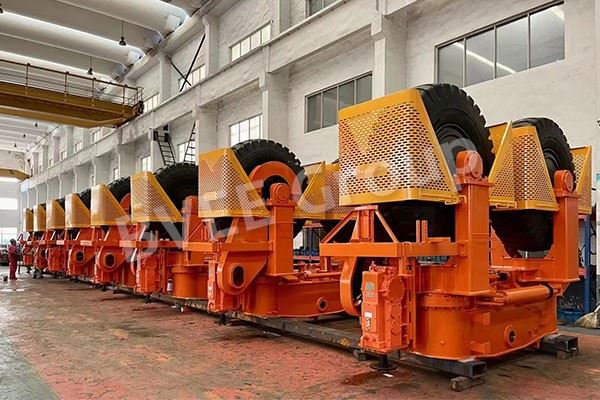

- Port Crane Spreader: Port crane spreaders are specifically designed for use with port cranes, such as quay cranes and gantry cranes. They are typically larger and more robust than other types of spreaders, capable of handling heavy loads and operating in harsh marine environments.
- Hook Beam Spreader: Hook beam spreaders are used for handling containers with lifting hooks. They feature a hook beam that can be attached to the container's lifting points, providing a secure and efficient way to lift and transport containers.
- Headblock Spreader: Headblock spreaders are designed for use with headblock cranes, which are commonly used in container terminals. They are typically smaller and more compact than port crane spreaders, but still offer the same versatility and functionality.
Contact Us for Telescopic Spreader Solutions
If you're in the market for a reliable and efficient telescopic spreader, look no further. As a leading supplier of telescopic spreaders, we offer a wide range of high-quality products to meet your specific needs and requirements. Our spreaders are designed and manufactured to the highest standards, ensuring durability, safety, and performance.
Whether you're a port operator, shipping company, or logistics provider, we can help you find the perfect telescopic spreader solution for your operation. Our team of experienced professionals is dedicated to providing exceptional customer service and support, ensuring that you get the most out of your investment.
Contact us today to learn more about our telescopic spreaders and how we can help you improve your container handling operations. We look forward to working with you!
References
- "Container Handling Equipment: A Comprehensive Guide." Maritime Reporter & Engineering News.
- "Telescopic Spreaders: How They Work and Why They're Essential." World Maritime News.
- "The Future of Container Handling: Trends and Innovations." Port Technology International.