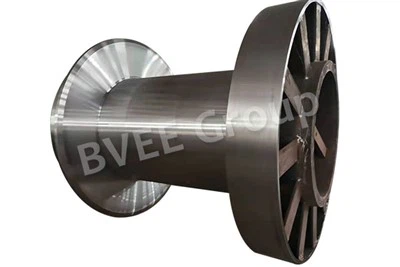
Determining the service life of a crane hoist drum is crucial for both safety and cost - effectiveness. As a crane hoist drum supplier, I've dealt with numerous customers who are eager to understand how long their drums will last. In this blog, I'll share some key factors that can help you figure out the service life of a crane hoist drum.
1. Material Quality
The material used to make the crane hoist drum plays a huge role in its service life. High - quality steel alloys are often the go - to choice for manufacturing these drums. They offer excellent strength, durability, and resistance to wear and tear.


For instance, drums made from heat - treated alloy steels can withstand heavy loads and repeated use better than those made from lower - grade materials. The better the material, the longer the drum is likely to last. If you're in the market for a new drum, check out our Crane Wire Rope Drum which is crafted from top - notch materials to ensure a long service life.
2. Load Capacity and Usage Frequency
How much weight the crane hoist drum is expected to lift and how often it's used are two major factors. If a drum is constantly operating at or near its maximum load capacity, it will experience more stress and wear. Similarly, a drum that's used very frequently will wear out faster than one that's used sparingly.
Let's say you have a drum that's rated for 10 tons. If you're regularly lifting 9 - 10 tons, the drum's internal components and surface will be under a lot of pressure. Over time, this can lead to cracks, deformation, and other issues. On the other hand, if you mainly use the drum to lift 2 - 3 tons, it'll last much longer.
The STS Crane Hoist Drum we offer has different load - capacity options. You can choose the one that matches your actual usage requirements to maximize its service life.
3. Environmental Conditions
The environment in which the crane hoist drum operates can have a big impact on its lifespan. Harsh environments, such as those with high humidity, extreme temperatures, or exposure to corrosive substances, can accelerate the wear and deterioration of the drum.
In a coastal area where there's a lot of salt in the air, the drum is at a higher risk of corrosion. In a hot and dusty industrial environment, the moving parts of the drum can get clogged with dust, which can cause friction and premature wear. To combat these issues, you may need to take additional protective measures, like applying anti - corrosion coatings or using dust covers.
4. Maintenance and Inspection
Regular maintenance and inspection are essential for extending the service life of a crane hoist drum. This includes lubricating the moving parts, checking for any signs of wear or damage, and tightening loose bolts and nuts.
Lubrication reduces friction between the components, which in turn reduces wear. You should follow the manufacturer's recommendations on the type of lubricant to use and how often to apply it. Inspections should be carried out at regular intervals. Look for things like cracks, excessive wear on the rope grooves, and signs of misalignment.
If you notice any problems during an inspection, it's important to address them immediately. Ignoring small issues can lead to more serious problems down the line, which can shorten the drum's service life.
5. Design and Manufacturing Quality
The design and manufacturing process of the crane hoist drum also matter. A well - designed drum will have proper rope grooves that ensure the wire rope winds and unwinds smoothly. This reduces the stress on the rope and the drum itself.
Good manufacturing practices ensure that the drum is made to the highest standards. For example, precise machining of the components and proper heat treatment can improve the strength and durability of the drum. When you're choosing a drum, it's worth investing in one from a reputable supplier that follows strict quality control measures.
How to Estimate the Service Life
While it's difficult to give an exact number for the service life of a crane hoist drum, you can make a rough estimate based on the factors mentioned above.
First, start with the manufacturer's recommended service life for a drum under normal operating conditions. Then, adjust this estimate based on your actual usage. If you're using the drum in a harsh environment or at a high - load capacity, you should expect the service life to be shorter. On the other hand, if you're using it sparingly and taking good care of it, you may get more years out of it.
For example, if the manufacturer says a drum should last for 10 years under normal conditions, but you're using it in a corrosive environment and at near - maximum load capacity, you might only get 5 - 7 years of service.
Conclusion
Figuring out the service life of a crane hoist drum is a complex process that involves considering multiple factors. As a supplier, we're committed to providing high - quality drums that are designed to last. By choosing the right drum for your needs, using it properly, and maintaining it well, you can maximize its service life and get the most out of your investment.
If you're in the market for a new crane hoist drum or have any questions about determining the service life of your existing drum, we'd love to have a chat with you. Feel free to reach out to us for more information and to start a procurement discussion.
References
- Crane Manufacturer's Handbook
- Industrial Crane Safety and Maintenance Guidelines