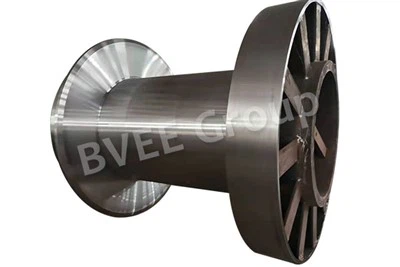
Hey there! As a crane sheave supplier, I've seen firsthand how crucial it is to maintain these components properly. A well - maintained crane sheave not only ensures the smooth operation of your crane but also extends its lifespan, saving you a ton of money in the long run. So, let's dive into how you can keep your crane sheave in top - notch condition.
Regular Inspections
The first step in maintaining a crane sheave is regular inspections. You should check your sheave at least once a month, or more frequently if it's used in a high - demand environment. Start by looking for any visible signs of wear and tear. Check the grooves where the rope runs. If the grooves are worn down unevenly or are too deep, it can cause the rope to wear out faster and may even lead to rope failure. You can use a simple depth gauge to measure the groove depth and compare it with the manufacturer's specifications.
Also, take a close look at the sheave's surface. Look for cracks, chips, or any other damage. Even a small crack can grow over time and compromise the integrity of the sheave. If you spot any damage, it's best to replace the sheave right away. Don't take any chances, as a faulty sheave can be extremely dangerous.
Lubrication
Lubrication is another key aspect of crane sheave maintenance. Proper lubrication reduces friction between the rope and the sheave, which in turn reduces wear and tear. It also helps to prevent corrosion, especially in outdoor or humid environments.
You need to use the right type of lubricant for your crane sheave. There are different lubricants available on the market, so make sure to choose one that is recommended by the sheave manufacturer. Apply the lubricant evenly to the grooves and the surface of the sheave. You can use a brush or a spray to apply the lubricant, depending on the type of lubricant and the design of the sheave.
How often should you lubricate the sheave? Well, it depends on the usage. If the crane is used frequently, you may need to lubricate the sheave every few weeks. For less - used cranes, lubricating once a month should be sufficient.
Alignment
Proper alignment of the crane sheave is essential for its smooth operation. Misaligned sheaves can cause the rope to rub against the sides of the grooves, leading to premature wear. They can also put extra stress on the crane's components, which may result in mechanical failures.
To check the alignment of the sheave, you can use a straightedge or a laser alignment tool. Make sure that the sheave is parallel to the rope and that it is centered within the frame. If you find any misalignment, you'll need to adjust the sheave's position. This may require some technical know - how, so if you're not confident in doing it yourself, it's best to call in a professional.
Rope Tension
Maintaining the right rope tension is also important for the health of your crane sheave. If the rope is too loose, it can slip in the grooves, causing uneven wear. On the other hand, if the rope is too tight, it can put excessive stress on the sheave and the crane's structure.
You can use a tension gauge to measure the rope tension. The ideal tension will depend on the type of crane, the load it's carrying, and the specifications of the rope and the sheave. Adjust the tension as needed by tightening or loosening the rope.
Cleaning
Keeping the crane sheave clean is often overlooked but is a vital part of maintenance. Dirt, dust, and debris can accumulate in the grooves and on the surface of the sheave, which can increase friction and cause wear.

You can use a wire brush or a compressed air gun to remove any dirt or debris from the sheave. For stubborn dirt, you may need to use a mild cleaning solution. Make sure to dry the sheave thoroughly after cleaning to prevent corrosion.
Replacement of Worn Parts
No matter how well you maintain your crane sheave, some parts will eventually wear out and need to be replaced. For example, the bearings in the sheave can wear down over time, causing the sheave to rotate unevenly. When you notice any signs of bearing wear, such as excessive noise or vibration, it's time to replace the bearings.
Also, as mentioned earlier, if the grooves of the sheave are too worn, you'll need to replace the entire sheave. Don't try to repair a severely worn sheave, as it won't be as reliable as a new one.
Training for Operators
Lastly, proper training for crane operators is crucial. Operators should be aware of the importance of crane sheave maintenance and should know how to perform basic inspections and maintenance tasks. They should also be trained to operate the crane in a way that minimizes stress on the sheave. For example, they should avoid sudden starts and stops, which can put extra strain on the sheave and the rope.
As a crane sheave supplier, I can offer you high - quality Full Forging Sheave that are built to last. Our sheaves are made from top - grade materials and are designed to withstand the rigors of heavy - duty use. Whether you need a single sheave for a small crane or a large quantity for a big project, we've got you covered.
If you're looking to purchase crane sheaves or have any questions about their maintenance, don't hesitate to reach out. We're here to help you make the right choice and ensure that your cranes operate smoothly and safely.
References
- Crane Operator's Manuals
- Manufacturer's Specifications for Crane Sheaves
- Industry Standards for Crane Maintenance