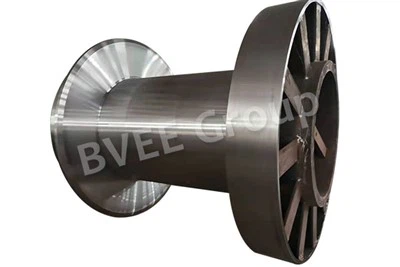
Maintaining a hook beam spreader is crucial for ensuring its optimal performance, longevity, and safety in various industrial applications. As a leading hook beam spreader supplier, we understand the significance of proper maintenance and are committed to providing our customers with the knowledge and guidance they need to keep their equipment in top condition. In this blog post, we will discuss some essential tips and best practices for maintaining a hook beam spreader.
Regular Inspections
Regular inspections are the cornerstone of hook beam spreader maintenance. By conducting thorough inspections on a routine basis, you can identify potential issues early on and take proactive measures to prevent them from escalating into major problems. Here are some key areas to focus on during inspections:
- Structural Integrity: Check the spreader's frame, beams, and connections for any signs of cracks, deformation, or corrosion. Pay close attention to welds and joints, as these are often the areas most susceptible to stress and fatigue. If any damage is detected, it should be repaired immediately by a qualified professional.
- Hook and Lifting Mechanisms: Inspect the hooks, shackles, and other lifting components for wear, damage, or deformation. Ensure that the hooks are properly lubricated and that the locking mechanisms are functioning correctly. Any worn or damaged parts should be replaced promptly to prevent accidents.
- Electrical and Hydraulic Systems: If your hook beam spreader is equipped with electrical or hydraulic systems, it is essential to inspect these components regularly. Check for loose connections, frayed wires, leaks, or other signs of damage. Test the functionality of all electrical switches, sensors, and controls to ensure they are working properly.
- Safety Devices: Verify that all safety devices, such as limit switches, overload protection systems, and emergency stop buttons, are in good working condition. These devices are designed to prevent accidents and protect operators and equipment, so it is crucial to ensure they are functioning correctly at all times.
Lubrication
Proper lubrication is essential for reducing friction, wear, and corrosion in the moving parts of a hook beam spreader. It also helps to ensure smooth operation and extends the lifespan of the equipment. Here are some tips for lubricating your hook beam spreader:
- Follow the Manufacturer's Recommendations: Refer to the manufacturer's maintenance manual for specific lubrication requirements and intervals. Different components may require different types of lubricants, so it is important to use the recommended products.
- Use the Right Lubricant: Choose a high-quality lubricant that is suitable for the operating conditions of your hook beam spreader. Consider factors such as temperature, load, and speed when selecting a lubricant.
- Apply Lubricant Correctly: Use the appropriate tools and techniques to apply the lubricant evenly to the moving parts. Avoid over-lubrication, as this can attract dirt and debris and cause additional problems.
- Keep Lubrication Points Clean: Before applying lubricant, clean the lubrication points to remove any dirt, debris, or old lubricant. This will help to ensure that the new lubricant can penetrate the surfaces and provide effective protection.
Cleaning and Corrosion Prevention
Regular cleaning is essential for maintaining the appearance and functionality of a hook beam spreader. It also helps to prevent corrosion, which can weaken the structure and reduce the lifespan of the equipment. Here are some tips for cleaning and preventing corrosion on your hook beam spreader:
- Remove Dirt and Debris: Use a brush, compressed air, or a pressure washer to remove dirt, dust, and debris from the spreader's surfaces. Pay special attention to hard-to-reach areas, such as corners and crevices.
- Clean Electrical and Hydraulic Components: When cleaning electrical and hydraulic components, use a dry cloth or a mild cleaning solution to avoid damaging the sensitive parts. Be careful not to get water or cleaning solution into the electrical connections or hydraulic fittings.
- Apply a Corrosion-Resistant Coating: To protect the spreader from corrosion, apply a corrosion-resistant coating to the metal surfaces. This can help to prevent rust and other forms of corrosion from forming.
- Store the Spreader Properly: When the hook beam spreader is not in use, store it in a dry, protected area. If possible, cover the spreader with a tarp or other protective covering to prevent exposure to the elements.
Training and Operator Safety
Proper training and operator safety are essential for maintaining a hook beam spreader. Operators should be trained on the correct use and maintenance of the equipment to ensure safe and efficient operation. Here are some tips for training operators and promoting safety:
- Provide Comprehensive Training: Ensure that all operators receive comprehensive training on the operation, maintenance, and safety procedures of the hook beam spreader. This training should include both theoretical and practical components and should be updated regularly to reflect any changes in the equipment or regulations.
- Follow Safety Guidelines: Operators should always follow the safety guidelines and procedures outlined in the manufacturer's maintenance manual and other relevant safety documents. This includes wearing appropriate personal protective equipment (PPE), such as hard hats, safety glasses, and gloves.
- Conduct Regular Safety Inspections: In addition to regular equipment inspections, conduct regular safety inspections to identify and address any potential safety hazards. This can help to prevent accidents and ensure the safety of operators and other personnel.
- Encourage Reporting of Safety Concerns: Encourage operators and other personnel to report any safety concerns or incidents immediately. This will help to ensure that any issues are addressed promptly and that appropriate measures are taken to prevent similar incidents from occurring in the future.
Conclusion
Maintaining a hook beam spreader is a critical task that requires regular inspections, lubrication, cleaning, and proper training. By following these essential tips and best practices, you can ensure the optimal performance, longevity, and safety of your hook beam spreader. If you have any questions or need further assistance with hook beam spreader maintenance, please do not hesitate to [contact us for procurement and further discussions](Hook Beam Spreader). We are here to help you keep your equipment in top condition and ensure the success of your operations.


References
- Manufacturer's Maintenance Manual for Hook Beam Spreader
- Industry Standards and Regulations for Lifting Equipment Maintenance
- Best Practices for Industrial Equipment Maintenance