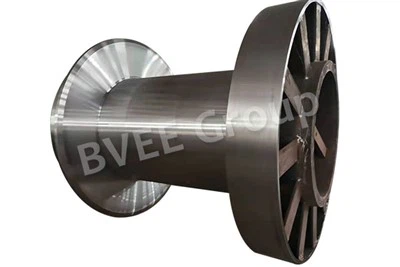
Measuring the diameter of a crane hoist drum is a crucial task that impacts the overall performance and safety of the crane. As a supplier of crane hoist drums, I understand the significance of accurate measurements and the role they play in the proper functioning of these essential components. In this blog, I will share some effective methods and considerations for measuring the diameter of a crane hoist drum.
Why Accurate Measurement Matters
Before delving into the measurement methods, it's important to understand why accurate diameter measurement is so important. The diameter of the hoist drum directly affects the lifting capacity, speed, and stability of the crane. An incorrect measurement can lead to issues such as improper wire rope winding, reduced lifting capacity, and increased wear and tear on the drum and wire rope. This can not only result in costly repairs and downtime but also pose a significant safety risk to the operators and the surrounding environment.
Tools Required for Measurement
To measure the diameter of a crane hoist drum accurately, you will need the following tools:
- Calipers: Digital or vernier calipers are ideal for measuring the diameter of the drum. They provide precise measurements and are easy to use.
- Micrometer: A micrometer can be used for more accurate measurements, especially for drums with smaller diameters.
- Measuring Tape: A measuring tape can be used to measure the circumference of the drum, which can then be used to calculate the diameter.
- Straight Edge: A straight edge can be used to ensure that the drum is straight and that the measurements are taken at the correct location.
Measurement Methods
There are several methods for measuring the diameter of a crane hoist drum. The most common methods are as follows:


Direct Measurement with Calipers or Micrometer
This is the most straightforward method of measuring the diameter of a crane hoist drum. To use this method, follow these steps:
- Clean the Drum: Before taking any measurements, make sure the drum is clean and free of any dirt, debris, or rust. This will ensure accurate measurements.
- Position the Calipers or Micrometer: Place the calipers or micrometer across the diameter of the drum at the desired location. Make sure the calipers or micrometer are perpendicular to the axis of the drum.
- Take the Measurement: Close the calipers or micrometer until they touch the surface of the drum. Read the measurement on the caliper or micrometer display. Make sure to take multiple measurements at different locations around the drum to ensure accuracy.
- Record the Measurement: Record the measurement in millimeters or inches, depending on your preference.
Measuring the Circumference and Calculating the Diameter
If you don't have calipers or a micrometer, you can measure the circumference of the drum and then calculate the diameter using the following formula:
Diameter = Circumference / π
where π is a mathematical constant approximately equal to 3.14159.
To measure the circumference of the drum, follow these steps:
- Clean the Drum: As with the direct measurement method, make sure the drum is clean and free of any dirt, debris, or rust.
- Wrap the Measuring Tape Around the Drum: Wrap the measuring tape around the drum at the desired location. Make sure the measuring tape is tight and does not overlap.
- Take the Measurement: Read the measurement on the measuring tape where it meets the starting point. Make sure to take multiple measurements at different locations around the drum to ensure accuracy.
- Calculate the Diameter: Divide the circumference by π to calculate the diameter. Record the measurement in millimeters or inches, depending on your preference.
Using a Laser Measuring Device
A laser measuring device can also be used to measure the diameter of a crane hoist drum. This method is particularly useful for measuring large drums or drums that are difficult to access. To use a laser measuring device, follow these steps:
- Set Up the Laser Measuring Device: Follow the manufacturer's instructions to set up the laser measuring device. Make sure the device is calibrated and ready to use.
- Position the Laser Measuring Device: Position the laser measuring device at a distance from the drum that allows the laser beam to cover the entire diameter of the drum. Make sure the device is level and perpendicular to the axis of the drum.
- Take the Measurement: Activate the laser measuring device and aim the laser beam at the drum. The device will display the diameter of the drum on its screen. Make sure to take multiple measurements at different locations around the drum to ensure accuracy.
- Record the Measurement: Record the measurement in millimeters or inches, depending on your preference.
Considerations for Accurate Measurement
In addition to using the right tools and methods, there are several other considerations that can help ensure accurate measurement of the diameter of a crane hoist drum. These considerations include:
- Location of Measurement: The diameter of the drum may vary along its length, so it's important to take measurements at the correct location. The most common location for measuring the diameter is at the center of the drum, where the wire rope is wound.
- Temperature: The temperature of the drum can affect its diameter. Make sure to take measurements at a stable temperature to ensure accuracy.
- Wear and Tear: Over time, the drum may wear down, which can affect its diameter. Make sure to inspect the drum for signs of wear and tear before taking measurements.
- Accuracy of Tools: Make sure the tools you are using are accurate and calibrated. Inaccurate tools can lead to incorrect measurements.
Conclusion
Measuring the diameter of a crane hoist drum is a critical task that requires careful attention to detail and the use of the right tools and methods. As a supplier of crane hoist drums, I recommend taking multiple measurements at different locations around the drum to ensure accuracy. By following the tips and guidelines outlined in this blog, you can ensure that your crane hoist drum is measured accurately and that it performs safely and efficiently.
If you are in the market for a high-quality crane hoist drum, I invite you to explore our range of products. We offer a wide selection of Crane Wire Rope Drum and STS Crane Hoist Drum that are designed to meet the needs of various applications. Our drums are made from high-quality materials and are manufactured to the highest standards of quality and safety.
If you have any questions or would like to discuss your specific requirements, please don't hesitate to contact us. We are here to help you find the right crane hoist drum for your needs and to provide you with the support and service you deserve.
References
- Crane Manufacturers Association of America (CMAA). (2018). Specification for Overhead and Gantry Cranes (Top Running Bridge, Multiple Girder, General Purpose).
- American Society of Mechanical Engineers (ASME). (2017). B30.2 - Overhead and Gantry Cranes (Top Running Bridge, Multiple Girder, General Purpose).
- International Organization for Standardization (ISO). (2019). ISO 4301-1:2019 - Cranes - Classification - Part 1: General.