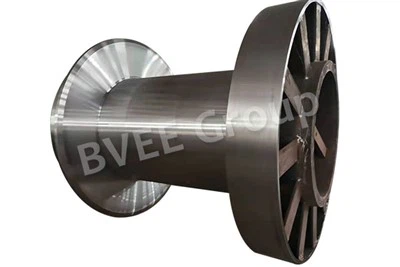
Recording the maintenance history of a crane rope drum is a crucial aspect of ensuring its longevity, safety, and optimal performance. As a crane rope drum supplier, I understand the significance of maintaining detailed records for our clients. In this blog post, I will share some effective strategies and best practices on how to record the maintenance history of a crane rope drum.
Importance of Recording Maintenance History
Before delving into the recording process, it's essential to understand why keeping a maintenance history is so important. A well - maintained record can provide valuable insights into the condition of the crane rope drum over time. It helps in identifying patterns of wear and tear, predicting potential failures, and ensuring compliance with safety regulations. Additionally, a comprehensive maintenance history can increase the resale value of the equipment, as it demonstrates that the drum has been properly cared for.
Initial Documentation
When a crane rope drum is first supplied, it's important to start the maintenance history with detailed initial documentation. This includes information such as the model number, serial number, date of manufacture, and installation date. The installation details should cover the location of the installation, the type of crane it is used in, and any specific installation requirements or configurations.
Regular Inspections and Records
Regular inspections are the cornerstone of a good maintenance history. These inspections should be carried out at predetermined intervals, depending on the usage frequency and the operating environment of the crane. For example, in a high - usage industrial setting, inspections might be required monthly, while in a less demanding environment, quarterly inspections could suffice.
During each inspection, a detailed record should be made. This includes visual inspections of the drum's surface for signs of cracks, corrosion, or excessive wear. The condition of the rope, such as its diameter, any signs of fraying, and the tension, should also be noted. Measurements of key components, like the drum's diameter and the depth of the grooves, can help track changes over time.
It's also important to record any maintenance actions taken during the inspection. This could include minor adjustments, such as tightening bolts or lubricating moving parts, or more significant repairs, like replacing worn - out components. Each action should be described in detail, including the date, the parts used (if any), and the name of the technician who performed the work.
Incident Reports
In the event of an incident, such as a sudden rope failure or a malfunction of the drum, a detailed incident report should be created. This report should include the date and time of the incident, a description of what happened, any contributing factors (such as overloading or improper operation), and the immediate actions taken to address the situation. Incident reports are crucial for understanding the root cause of the problem and implementing preventive measures to avoid similar incidents in the future.
Digital vs. Paper Records
In today's digital age, there are two main options for recording maintenance history: digital and paper records. Digital records offer several advantages. They are easier to organize, search, and share. Software applications can be used to set up automated reminders for inspections and maintenance tasks, and they can also generate reports and analytics. For example, a digital maintenance management system (CMMS) can store all the relevant data in a centralized database, making it accessible to multiple stakeholders, such as maintenance teams, managers, and safety officers.
On the other hand, paper records have their own merits. They are simple to use and do not require any specialized equipment or software. In some cases, paper records might be preferred in environments where digital devices are not practical, such as in areas with poor connectivity or high levels of dust and moisture.


Utilizing Technology for Recording
There are various technologies that can enhance the process of recording the maintenance history of a crane rope drum. For instance, barcode or RFID tags can be attached to the drum and its components. These tags can be scanned during inspections, allowing for quick and accurate data entry into a digital system. Mobile apps can also be used to record inspection results on - site, eliminating the need for manual note - taking and reducing the risk of errors.
Linking to Related Products
As a crane rope drum supplier, we offer a range of related products that can complement the maintenance of your crane rope drum. Check out our Port Cable Reel, Port Cable Reel Drum, and Port Crane Spare Parts Drum for high - quality solutions.
Training and Staff Awareness
Proper training of maintenance staff is essential for accurate and consistent recording of the maintenance history. Staff should be trained on the inspection procedures, the use of recording tools (whether digital or paper), and the importance of maintaining detailed and accurate records. Regular refresher courses can help keep the staff up - to - date with the latest inspection techniques and maintenance best practices.
Data Analysis and Trend Identification
Once a sufficient amount of data has been collected, it's important to analyze it to identify trends. This can help in predicting future maintenance needs and preventing potential failures. For example, if the records show a gradual increase in the wear rate of the drum's grooves over time, it might indicate a need for more frequent inspections or an early replacement of the drum.
Sharing and Collaboration
The maintenance history should be accessible to all relevant parties, including the crane operators, maintenance teams, and management. This allows for better communication and collaboration. For example, operators can provide valuable feedback on the performance of the crane and the rope drum during their daily operations, which can be incorporated into the maintenance history.
Conclusion
Recording the maintenance history of a crane rope drum is a multi - faceted process that requires attention to detail, regular inspections, and the use of appropriate recording methods. By following the strategies outlined in this blog post, you can ensure that your crane rope drum is well - maintained, safe, and operates at its best.
If you are interested in purchasing high - quality crane rope drums or need more information about maintenance and related products, we encourage you to contact us for a procurement discussion. We are committed to providing the best solutions for your crane needs.
References
- Crane Safety Standards Handbook, Industrial Safety Press
- Maintenance Best Practices for Lifting Equipment, International Lifting Equipment Engineers Association