Troubleshooting an STS (Ship-to-Shore) crane is a complex yet crucial task for ensuring the smooth operation of port facilities. As a supplier of STS and RTG (Rubber-Tired Gantry) cranes, I've encountered a wide range of issues over the years and have developed effective strategies for diagnosing and resolving them. In this blog, I'll share some valuable insights on how to troubleshoot an STS crane.
Understanding the Basics of an STS Crane
Before diving into troubleshooting, it's essential to have a solid understanding of the key components of an STS crane. An STS crane is a large, heavy - duty machine used in ports to load and unload containers from ships. It typically consists of a boom, trolley, hoist, gantry structure, and a control system. Each of these components plays a vital role in the crane's overall functionality. For more detailed information about STS and RTG cranes, you can visit STS And RTG Crane.
Pre - troubleshooting Checks
Visual Inspection
The first step in troubleshooting an STS crane is a thorough visual inspection. Walk around the crane and look for any obvious signs of damage, such as cracked or bent structural components, loose bolts, or frayed cables. Check the condition of the wheels, brakes, and electrical connections. A visual inspection can often reveal issues that are easy to fix, like a loose wire or a damaged seal.
Operational Checks
Before performing any in - depth troubleshooting, run some basic operational checks. Try to operate the crane's main functions, such as hoisting, trolley movement, and gantry travel. Pay attention to any abnormal noises, vibrations, or jerks during operation. If the crane fails to operate at all, check the power supply to ensure that it is properly connected and that there are no blown fuses or tripped circuit breakers.
Troubleshooting Common Components
Hoist System
The hoist system is responsible for lifting and lowering the containers. If you encounter problems with the hoist, such as slow lifting, uneven lifting, or a failure to lift at all, start by checking the hoist motor. Look for signs of overheating, which could indicate a problem with the motor's electrical supply or mechanical components. Check the brake system of the hoist as well. A malfunctioning brake can cause the load to drop unexpectedly or prevent the hoist from lifting properly.
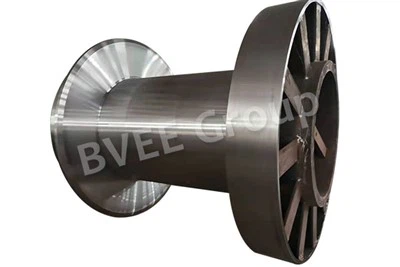
Inspect the wire ropes for wear and tear. Worn - out wire ropes can break under load, posing a serious safety risk. If the wire ropes are damaged, they should be replaced immediately. Also, check the drum on which the wire ropes are wound. A misaligned or damaged drum can cause the wire ropes to tangle or wear unevenly.
Trolley System
The trolley moves along the boom of the STS crane. If the trolley is not moving smoothly or is making strange noises, check the trolley wheels. Worn or damaged wheels can cause the trolley to derail or move unevenly. Inspect the track on which the trolley runs for any debris, damage, or misalignment.
The drive system of the trolley is another critical component. Check the motor, gearbox, and drive chain for any signs of damage or malfunction. A problem with the drive system can cause the trolley to move too slowly, too quickly, or not at all.
Gantry Travel System
The gantry travel system allows the crane to move along the quay. Issues with the gantry travel can include difficulty in starting or stopping, uneven movement, or a failure to move. For more information about the container gantry crane travelling mechanism, visit Container Gantry Crane Travelling Mechanism.
Start by checking the bogie structure. The bogies support the crane and allow it to move. Inspect the wheels, axles, and bearings of the bogies for wear and damage. A damaged bogie can cause the crane to move unevenly or even derail. Check the drive motors and gearboxes for the gantry travel. These components are responsible for providing the power to move the crane. If the motors are overheating or the gearboxes are making strange noises, there may be a problem with the electrical or mechanical components.
Electrical System
The electrical system of an STS crane is complex and controls all of its functions. Electrical problems can be difficult to diagnose, but there are some basic steps you can take. Use a multimeter to check the voltage and continuity of the electrical circuits. Look for any signs of short circuits, such as burned - out components or melted wires.
Check the control panels and switches for proper operation. A malfunctioning switch can prevent the crane from operating correctly. If you are not experienced with electrical systems, it is recommended that you consult a qualified electrician.
Using Diagnostic Tools
Load Testing
Load testing can be a valuable tool for troubleshooting an STS crane. By applying a known load to the crane and monitoring its performance, you can identify issues with the hoist, trolley, or gantry travel systems. Load testing can also help you determine if the crane is operating within its rated capacity.
Vibration Analysis
Vibration analysis is another useful diagnostic tool. By measuring the vibrations of the crane's components, you can detect early signs of wear and damage. Unusual vibrations can indicate problems with the motor, gearbox, or other rotating components. Specialized vibration sensors can be used to collect data, which can then be analyzed to identify the source of the problem.


Documentation and Record - keeping
Throughout the troubleshooting process, it is essential to keep detailed documentation. Record all the steps you have taken, the observations you have made, and any repairs or adjustments you have performed. This documentation can be valuable for future reference, especially if the same problem occurs again. It can also help in warranty claims and compliance with safety regulations.
Preventive Maintenance
Preventive maintenance is the best way to avoid costly downtime and major breakdowns. Develop a regular maintenance schedule for your STS crane, which includes tasks such as lubrication, inspection, and replacement of worn - out components. By performing preventive maintenance, you can catch potential problems before they become serious issues.
Conclusion
Troubleshooting an STS crane requires a combination of knowledge, experience, and the right tools. By following the steps outlined in this blog, you can effectively diagnose and resolve many common problems with STS cranes. As a supplier of STS and RTG cranes, we are committed to providing our customers with high - quality products and comprehensive support. If you are facing challenges with your STS crane or are interested in purchasing a new crane, we encourage you to contact us for a detailed discussion and to explore the best solutions for your port operations.
References
- Crane Manufacturers Association of America (CMAA) Standards
- American Society of Mechanical Engineers (ASME) B30.20 - Overhead and Gantry Cranes (Top Running Bridge, Single Girder, Underhung Hoist)
- International Maritime Organization (IMO) Guidelines for Port Crane Safety