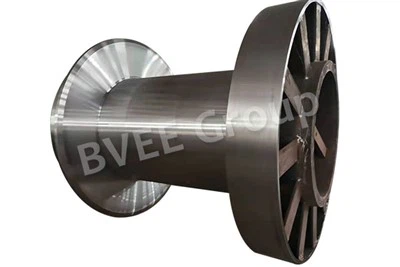
As a seasoned crane cabin supplier, I understand the importance of ensuring that crane cabins operate smoothly. Troubleshooting problems in a crane cabin is a crucial skill that can save time, money, and prevent potential accidents. In this blog, I'll share some practical steps and insights on how to effectively troubleshoot issues in a crane cabin.
Initial Assessment
The first step in troubleshooting any problem in a crane cabin is to conduct a thorough initial assessment. This involves gathering as much information as possible about the issue. Start by talking to the crane operators. They are on the front line and can provide valuable insights into what they've noticed, such as strange noises, unusual vibrations, or any error messages on the control panel.
Inspect the cabin visually. Look for any obvious signs of damage, loose connections, or wear and tear. Check the wiring harnesses for frayed wires or loose terminals. Pay close attention to the control levers, switches, and displays. Any physical damage to these components can lead to malfunctions.
Electrical System Checks
The electrical system in a crane cabin is complex and can be a common source of problems. Begin by checking the power supply. Ensure that the main power switch is turned on and that there are no tripped circuit breakers or blown fuses. If a fuse has blown, replace it with a fuse of the same rating. However, keep in mind that a blown fuse is often a symptom of an underlying problem, so further investigation is necessary.
Test the electrical connections. Loose or corroded connections can cause intermittent power issues or erratic behavior of the controls. Use a multimeter to check for continuity in the wires and to measure the voltage at various points in the system. Make sure all connectors are clean and securely plugged in.
If the crane cabin has a programmable logic controller (PLC), check for any error codes. PLCs are used to control many of the functions in modern crane cabins, and error codes can provide valuable clues about the source of the problem. Consult the PLC manual or contact the manufacturer for assistance in interpreting the error codes.
Hydraulic System Troubleshooting
Many cranes use hydraulic systems to operate various functions, such as lifting, lowering, and slewing. Hydraulic problems can manifest as slow operation, leaks, or abnormal noises. Start by checking the hydraulic fluid level. Low fluid levels can cause the system to malfunction. If the fluid level is low, add the appropriate type of hydraulic fluid as specified in the crane's manual.


Inspect the hydraulic hoses and connections for leaks. Look for signs of fluid dripping or pooling around the hoses, fittings, or cylinders. If a leak is detected, identify the source and repair it. This may involve tightening a fitting, replacing a damaged hose, or sealing a leaky cylinder.
Check the hydraulic pump. Listen for any unusual noises coming from the pump, which could indicate a problem such as a worn pump or a clogged filter. If the pump is not working properly, it may need to be repaired or replaced.
Mechanical Component Inspection
The mechanical components in a crane cabin, such as gears, bearings, and pulleys, are subject to wear and tear over time. Inspect these components for signs of damage, such as excessive wear, cracks, or misalignment. Check the gearboxes for proper lubrication. Low lubricant levels or dirty lubricant can cause premature wear of the gears.
Examine the bearings for smooth rotation. If a bearing is noisy or feels rough when rotated by hand, it may need to be replaced. Pulleys and belts should also be inspected for wear and proper tension. Loose or worn belts can cause slipping, which can affect the performance of the crane.
Control System Testing
The control system in a crane cabin is responsible for allowing the operator to control the movement of the crane. Test the control levers and switches to ensure they are functioning properly. Move the levers through their full range of motion and check for smooth operation. If a lever or switch is sticky or unresponsive, it may need to be cleaned or replaced.
Calibrate the control system if necessary. Over time, the controls may become out of calibration, causing the crane to move in an unexpected manner. Consult the crane's manual for instructions on how to calibrate the control system.
Using Spare Parts
In some cases, troubleshooting may require replacing a faulty component. As a crane cabin supplier, we offer a wide range of high - quality spare parts, such as the STS Crane Trolley Wheel, Port Crane Spare Parts Wheel, and Headblock Spreader. These parts are designed to meet the strictest quality standards and are compatible with a variety of crane models.
When replacing a component, make sure to follow the proper installation procedures. Incorrect installation can lead to further problems or even pose a safety risk. If you are unsure about how to install a part, consult the installation manual or contact our technical support team.
Documentation and Record - Keeping
Throughout the troubleshooting process, it's important to keep detailed documentation. Record the symptoms of the problem, the steps taken to diagnose and repair it, and any parts that were replaced. This documentation can be useful for future reference, especially if the same problem occurs again. It can also help in identifying patterns of problems and in planning preventive maintenance.
When to Seek Professional Help
While many crane cabin problems can be resolved through basic troubleshooting, there are times when it's necessary to seek professional help. If you are unable to diagnose the problem or if the repair requires specialized tools or expertise, contact a qualified crane technician. Additionally, if the problem involves safety - critical components or if you are unsure about the safety of the crane, do not attempt to operate it until the issue has been resolved.
Conclusion
Troubleshooting problems in a crane cabin requires a systematic approach and a good understanding of the crane's systems. By following the steps outlined in this blog, you can effectively diagnose and resolve many common problems. However, it's important to remember that safety should always be the top priority. If you are ever in doubt about your ability to troubleshoot or repair a problem, don't hesitate to seek professional assistance.
As a leading crane cabin supplier, we are committed to providing our customers with high - quality products and excellent technical support. If you are experiencing problems with your crane cabin or if you are in need of spare parts, we encourage you to contact us for a consultation. Our team of experts is ready to assist you in finding the best solutions for your crane cabin needs. Whether you are looking to purchase new parts or need help with troubleshooting, we are here to help you keep your crane operating safely and efficiently.
References
- Crane Operator's Manuals
- Hydraulic System Manufacturer's Documentation
- PLC Manufacturer's Manuals
- Mechanical Component Technical Specifications