As a seasoned supplier of container spreaders, I've witnessed firsthand the ever - evolving demands and challenges within the shipping and logistics industry. Cost - effectiveness is a crucial aspect that customers always keep in mind when investing in container spreaders. In this blog, I'll delve into the key cost - effectiveness factors of container spreaders.
1. Initial Purchase Cost
The first and most obvious factor is the initial purchase price of the container spreader. Different types of spreaders, such as single - lift spreaders, twin - lift spreaders, and telescopic spreaders, come with varying price tags. The complexity of the design, the materials used, and the additional features all contribute to the cost.
For instance, a basic single - lift spreader with standard features will generally be less expensive than a twin - lift spreader. Twin - lift spreaders are designed to handle two containers at once, which requires more advanced engineering and stronger structural components. However, despite the higher upfront cost, twin - lift spreaders can offer better long - term cost - effectiveness in high - volume container terminals.
When choosing a container spreader, it's essential to balance the initial cost with your operational requirements. If your terminal has a relatively low throughput, a single - lift spreader might be a more cost - effective choice. On the other hand, if you're dealing with large - scale container handling, the increased productivity of a twin - lift spreader can justify the higher purchase price.
2. Operational Efficiency
Operational efficiency is a significant determinant of cost - effectiveness. A highly efficient container spreader can significantly reduce the time required to load and unload containers, which in turn increases the overall throughput of the terminal.
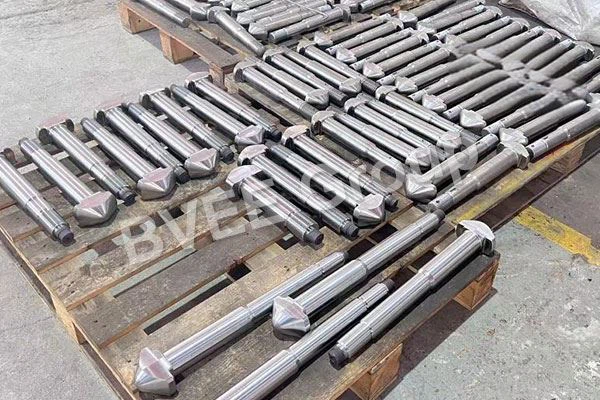
One of the key elements that contribute to operational efficiency is the speed of the spreader's movement. Fast - acting spreaders can quickly position themselves over the containers, engage the Twistlock Pin, and lift the containers. This reduces the idle time between operations and allows for more containers to be handled within a given period.
Another aspect is the ease of use. Spreaders with intuitive control systems can be operated more efficiently by the crane operators. This reduces the learning curve for new operators and minimizes the risk of human error, which can lead to costly delays or damage to the containers.
The ability to handle different types and sizes of containers is also crucial for operational efficiency. A versatile spreader that can adjust to various container dimensions, such as 20 - foot, 40 - foot, and 45 - foot containers, eliminates the need for multiple spreaders. This not only reduces the initial investment but also simplifies the maintenance and storage requirements.
3. Maintenance and Repair Costs
Maintenance and repair costs are ongoing expenses that can significantly impact the cost - effectiveness of a container spreader over its lifespan. Regular maintenance is essential to ensure the reliable operation of the spreader and to prevent major breakdowns.
The design of the spreader plays a vital role in determining the maintenance requirements. Spreaders with easily accessible components and modular designs are generally easier and less expensive to maintain. For example, if a particular part of the spreader needs to be replaced, a modular design allows for quick and straightforward replacement without having to disassemble large portions of the equipment.
The quality of the materials used in the spreader also affects the maintenance and repair costs. High - quality materials are more durable and less prone to wear and tear, reducing the frequency of repairs. Additionally, using standard and widely available parts can lower the cost of replacement parts and shorten the lead time for repairs.

It's also important to consider the availability of technical support from the supplier. A supplier that offers comprehensive after - sales service, including on - site maintenance and technical advice, can help minimize downtime and keep the maintenance costs in check.
4. Energy Consumption
Energy consumption is an often - overlooked but significant cost factor. Container spreaders typically rely on electrical or hydraulic power systems, and the energy used during operation can add up over time.
Newer spreader models are designed with energy - efficient features to reduce power consumption. For example, some spreaders use regenerative braking systems, which capture the energy generated during the lowering of the containers and convert it back into electrical energy. This energy can then be reused, reducing the overall energy demand from the power grid.
Hydraulic systems can also be optimized for energy efficiency. By using variable - displacement pumps and advanced control algorithms, the hydraulic system can adjust the flow and pressure according to the actual load requirements, minimizing energy waste.
When evaluating the cost - effectiveness of a container spreader, it's important to consider the long - term energy savings that can be achieved with an energy - efficient model. Although the initial cost of an energy - efficient spreader may be slightly higher, the savings in energy costs over its lifespan can more than offset the additional investment.
5. Lifespan and Resale Value
The lifespan of a container spreader is an important factor in determining its cost - effectiveness. A well - designed and properly maintained spreader can have a long service life, providing reliable operation for many years.
A longer lifespan means that the initial investment is spread over a greater number of years, reducing the annual cost of ownership. Additionally, a spreader with a good reputation for durability and reliability will have a higher resale value. If you decide to upgrade your equipment in the future, you can recoup a significant portion of your initial investment by selling the used spreader.
Factors such as the quality of the materials, the manufacturing process, and the operating conditions all influence the lifespan of the spreader. By choosing a high - quality spreader from a reputable supplier and following a strict maintenance schedule, you can maximize the lifespan and resale value of your container spreader.
6. Safety Features
Safety is paramount in the container handling industry, and the safety features of a container spreader can also impact its cost - effectiveness. A spreader with comprehensive safety features can prevent accidents and injuries, which can result in costly legal liabilities, downtime, and damage to the equipment and containers.
For example, Twist Lock Stacking Pin that are designed with fail - safe mechanisms ensure that the containers are securely locked during lifting and transportation. This reduces the risk of containers falling or shifting, which can cause serious damage and endanger the lives of the operators.
Other safety features, such as overload protection systems and anti - collision devices, can also enhance the safety of the operation. While these safety features may add to the initial cost of the spreader, they can save you a significant amount of money in the long run by preventing costly accidents.
Conclusion
In conclusion, the cost - effectiveness of container spreaders is determined by a combination of factors, including the initial purchase cost, operational efficiency, maintenance and repair costs, energy consumption, lifespan and resale value, and safety features. As a supplier, I understand the importance of providing cost - effective solutions to our customers. We strive to design and manufacture container spreaders that offer the best balance of these factors, ensuring that our customers can achieve the highest return on their investment.
If you're in the market for a container spreader and want to discuss how our products can meet your specific cost - effectiveness requirements, I encourage you to reach out to us. We're more than happy to engage in a detailed discussion and provide you with a customized solution. Let's work together to optimize your container handling operations and improve your bottom line.
References
- International Association of Ports and Harbors. (2023). Container Handling Equipment Guidelines.
- American Society of Mechanical Engineers. (2022). Standards for Container Spreaders.
- Shipping Industry Review. (2023). Cost - effectiveness Analysis of Container Handling Equipment.