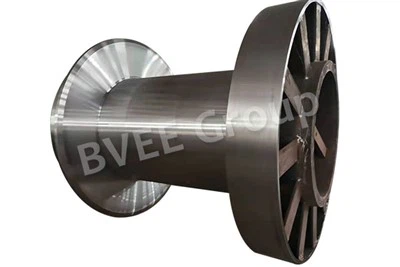
A headblock spreader is a crucial piece of equipment in the field of container handling, especially in ports and shipping yards. As a leading supplier of headblock spreaders, I am well - versed in its main functions and the value it brings to the industry. In this blog, I will delve into the key functions of a headblock spreader and explain why it is an indispensable tool for efficient container operations.
1. Container Lifting and Handling
The primary function of a headblock spreader is to lift and handle containers. In ports and shipping terminals, containers of various sizes and weights need to be moved from one location to another, such as from a ship to a truck or a storage yard. The headblock spreader is designed to securely attach to the corners of the container. It uses a system of twist - locks that can be easily engaged and disengaged. When the twist - locks are inserted into the corner castings of the container and rotated, they create a firm connection, allowing the spreader to lift the container safely.
This function is essential for the smooth flow of goods in the supply chain. Without a reliable headblock spreader, the process of loading and unloading containers would be extremely time - consuming and labor - intensive. For example, in a busy port, a single headblock spreader can handle dozens of containers per hour, significantly increasing the throughput of the terminal.
2. Size Adaptability
Containers come in different standard sizes, such as 20 - foot, 40 - foot, and 45 - foot containers. A good headblock spreader is designed to be telescopic, which means it can adjust its length to fit different container sizes. This adaptability is a major advantage as it allows a single spreader to handle multiple types of containers without the need for frequent equipment changes.

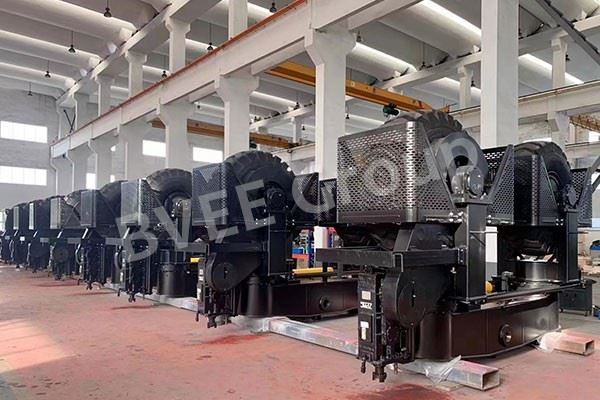
The telescopic mechanism of the headblock spreader is usually powered by hydraulic cylinders. These cylinders can extend or retract the spreader's arms, adjusting the distance between the twist - locks to match the container's length. This feature not only improves the efficiency of container handling but also reduces the cost of equipment investment. Instead of purchasing multiple spreaders for different container sizes, operators can rely on a single telescopic headblock spreader. You can learn more about the adaptability of our spreaders on our Headblock Spreader page.
3. Precise Positioning
Precise positioning of containers is another important function of a headblock spreader. When loading containers onto a ship or a truck, they need to be placed in the correct position to ensure stability and safety. The headblock spreader is equipped with advanced control systems that allow operators to position the container accurately.
These control systems use sensors and actuators to provide real - time feedback on the spreader's position and orientation. Operators can use joysticks or other control devices to make fine adjustments to the spreader's movement. For example, when loading containers onto a ship, the spreader can be precisely positioned over the container slot, ensuring that the container is placed exactly where it should be. This reduces the risk of damage to the container and the ship, and also improves the overall efficiency of the loading process.
4. Compatibility with Different Cranes
Headblock spreaders are designed to be compatible with different types of cranes, such as port cranes and gantry cranes. This compatibility is important because different ports and shipping yards may use different types of cranes depending on their specific needs and infrastructure.
For port cranes, the headblock spreader can be easily attached to the crane's lifting mechanism. The spreader is designed to withstand the high loads and forces exerted by the crane during the lifting and handling process. Our Port Crane Spreader is specifically engineered to work seamlessly with port cranes, providing reliable container handling solutions.
5. Safety Features
Safety is of utmost importance in container handling operations. A headblock spreader is equipped with a variety of safety features to prevent accidents and ensure the well - being of operators and the integrity of the containers.
One of the key safety features is the anti - sway system. When a container is being lifted, it can sway due to wind or the movement of the crane. The anti - sway system uses sensors and control algorithms to detect and counteract the swaying motion, keeping the container stable during the lifting process.
Another safety feature is the overload protection system. This system monitors the weight of the container being lifted and will automatically stop the lifting operation if the weight exceeds the spreader's rated capacity. This prevents damage to the spreader and the crane, and also reduces the risk of accidents caused by overloading.
6. Remote Monitoring and Control
In modern container handling operations, remote monitoring and control of the headblock spreader have become increasingly important. Our headblock spreaders are equipped with advanced telemetry systems that allow operators to monitor the spreader's performance and status remotely.
These systems can collect data on various parameters, such as the spreader's position, the status of the twist - locks, and the hydraulic pressure. Operators can access this data through a computer or a mobile device, allowing them to make informed decisions and perform maintenance tasks in a timely manner. Remote control functionality also enables operators to operate the spreader from a safe distance, which is especially useful in hazardous environments.
Conclusion
In conclusion, the main functions of a headblock spreader include container lifting and handling, size adaptability, precise positioning, compatibility with different cranes, safety features, and remote monitoring and control. These functions make the headblock spreader an essential tool for efficient and safe container handling in ports and shipping yards.
As a leading supplier of headblock spreaders, we are committed to providing high - quality products that meet the diverse needs of our customers. Our spreaders are designed and manufactured using the latest technologies and materials, ensuring reliability and performance. If you are in the market for a headblock spreader or other related equipment such as Hook Beam Spreader, we invite you to contact us for more information and to discuss your specific requirements. We look forward to the opportunity to work with you and provide you with the best container handling solutions.
References
- Container Handling Handbook, various industry publications on port operations and equipment technology.
- Technical manuals and research papers related to headblock spreader design and functionality.