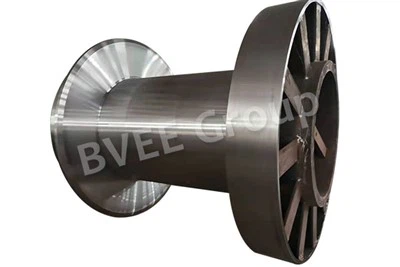
Working on a wheel assembly can be a tricky business, and safety should always be your top priority. As a wheel assembly supplier, I've seen firsthand the importance of taking the right precautions. In this blog, I'll share some essential safety tips to keep in mind when you're working on wheel assemblies.
1. Pre - work Preparation
Before you even touch a wheel assembly, you need to get everything in order. First off, make sure you've got the right tools for the job. Using the wrong tool can not only damage the wheel assembly but also put you at risk. For example, if you're trying to remove a stubborn nut, using a wrench that's too small can cause it to slip and hit you.
Inspect all your tools for any signs of damage. Cracked handles, dull blades, or loose parts can make the tool ineffective and dangerous. Replace any damaged tools immediately.
Next, take a good look at the wheel assembly itself. Check for any visible signs of wear, cracks, or damage. If you're working on a Wheel Hub Assemblies, look for leaks around the seals or excessive play in the bearings. A damaged wheel assembly can fail during operation, which is a major safety hazard.
Also, make sure you're working in a clean and organized area. Remove any clutter or debris that could cause you to trip or fall. A well - lit workspace is crucial, too. You need to be able to see what you're doing clearly to avoid mistakes.
2. Personal Protective Equipment (PPE)
PPE is non - negotiable when working on wheel assemblies. Start with safety glasses. They'll protect your eyes from flying debris, like metal shavings or small parts that might come loose during disassembly or assembly. Even a tiny piece of metal in your eye can cause serious damage.
Wear gloves to protect your hands. The edges of wheel components can be sharp, and you might also come into contact with chemicals or lubricants that can irritate your skin. Choose gloves that are appropriate for the task. For example, if you're handling heavy parts, you'll need gloves with good grip and some padding.
Steel - toed boots are a must. They'll protect your feet from heavy objects that might accidentally fall on them. A dropped wheel or a heavy tool can cause serious foot injuries, and steel - toed boots can prevent a lot of pain and potential long - term damage.
If you're working in an area with a lot of noise, like a busy workshop, wear ear protection. Prolonged exposure to loud noise can lead to hearing loss, so don't take any chances.
3. Lifting and Handling
Wheel assemblies can be heavy, especially if you're working on Port Crane Spare Parts Wheel Assembly for large machinery. When lifting a wheel assembly, use proper lifting techniques. Bend your knees and keep your back straight. Avoid twisting your body while lifting, as this can put a lot of strain on your back.
If the wheel assembly is too heavy to lift by yourself, use lifting equipment. A hoist or a forklift can make the job much safer and easier. Make sure the lifting equipment is in good working condition and rated for the weight of the wheel assembly.
When moving a wheel assembly, use a cart or a dolly if possible. This will reduce the risk of dropping the assembly and causing injury or damage. Secure the wheel assembly to the cart or dolly to prevent it from shifting during transport.
4. Disassembly and Assembly
When disassembling a wheel assembly, take your time and follow the correct procedures. Use the right tools in the right order. For example, if you're removing a wheel from an axle, loosen the lug nuts before jacking up the vehicle. This will prevent the wheel from spinning and causing injury.
Keep track of all the parts as you disassemble them. You can use a parts tray or label the parts to make sure you put them back in the right place during assembly. Mixing up parts can lead to a poorly assembled wheel assembly that won't function properly.


During assembly, make sure all the parts are clean and free of debris. Lubricate the moving parts as recommended by the manufacturer. Over - tightening or under - tightening bolts and nuts can also cause problems. Use a torque wrench to ensure that all fasteners are tightened to the correct specification.
5. Testing and Inspection
Once you've assembled the wheel assembly, it's important to test and inspect it thoroughly. Check for any signs of leaks, abnormal noises, or vibrations. If you're working on Traveling Mechanism Parts, make sure the mechanism moves smoothly and without any binding.
Before putting the wheel assembly back into service, perform a test run in a controlled environment. This will allow you to identify any potential issues before the wheel assembly is used in a real - world situation.
6. Chemical and Lubricant Safety
Wheel assemblies often require the use of chemicals and lubricants. When handling these substances, follow the manufacturer's instructions carefully. Some lubricants can be flammable, so keep them away from open flames and heat sources.
Wash your hands thoroughly after handling chemicals or lubricants. Avoid getting them on your skin or in your eyes. If you do come into contact with a chemical, follow the first - aid instructions on the product label and seek medical attention if necessary.
7. Training and Knowledge
Finally, make sure you or your team have the proper training and knowledge to work on wheel assemblies. Understanding the design and function of the wheel assembly is crucial for safe and effective work.
Stay updated on the latest safety standards and best practices. Manufacturers often release technical bulletins and safety advisories, so make sure you're aware of them.
As a wheel assembly supplier, I'm always here to help. If you have any questions about the safety precautions or the products we offer, don't hesitate to reach out. Whether you're a small repair shop or a large industrial facility, we can provide you with high - quality wheel assemblies and the support you need. Contact us for more information and to start a procurement discussion. We're committed to helping you keep your operations safe and efficient.
References
- Industry safety guidelines for wheel assembly work
- Manufacturer's manuals for wheel assemblies and related equipment
- OSHA (Occupational Safety and Health Administration) regulations regarding industrial work safety