

Safety regulations for container spreaders are of utmost importance in the shipping and port industries. As a leading container spreader supplier, we understand the critical role these regulations play in ensuring the smooth and secure operation of container handling. In this blog post, we will delve into the key safety regulations that govern container spreaders, highlighting why they are essential and how they impact the industry.
1. Structural Integrity and Design Standards
The design and construction of container spreaders must adhere to strict structural integrity standards. These standards are in place to ensure that the spreader can safely lift, carry, and transfer containers of various sizes and weights without the risk of structural failure.
- Material Selection: High - strength steel is commonly used in the construction of container spreaders. The steel must meet specific quality and strength requirements to withstand the heavy loads and stresses during operation. For example, the steel should have sufficient yield strength and toughness to prevent cracking or deformation under normal and abnormal operating conditions.
- Load Capacity: Each container spreader is designed with a specified maximum load capacity. This capacity is determined based on factors such as the size of the spreader, the type of lifting mechanism, and the structural design. It is crucial that operators never exceed this load capacity, as overloading can lead to catastrophic failures.
2. Operational Safety Regulations
Pre - operation Checks
Before each use, a thorough pre - operation check of the container spreader is mandatory. These checks help to identify any potential issues that could pose a safety risk during operation.

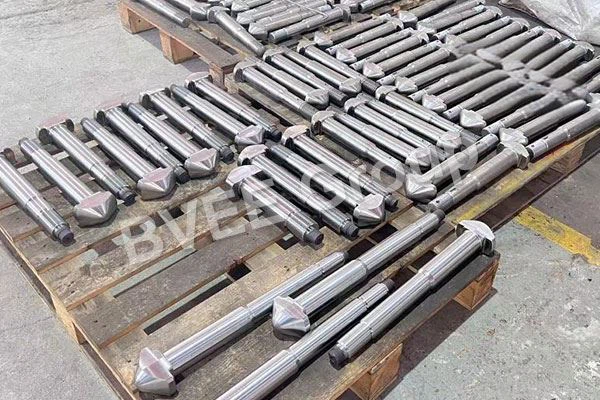
- Visual Inspection: Operators should visually inspect the entire spreader for signs of damage, such as cracks, corrosion, or loose parts. This includes checking the structural frame, lifting arms, and connection points.
- Functional Tests: All mechanical and electrical components should be tested to ensure they are functioning properly. This includes testing the Twist Lock Stacking Pin (/container - spreader/twist - lock - stacking - pin.html) locking and unlocking mechanisms, hydraulic systems, and control panels.
During Operation
During operation, there are several safety regulations that operators must follow to ensure the safety of everyone involved.
- Clearance and Alignment: The spreader must be properly aligned with the container before lifting. Adequate clearance must be maintained between the spreader and surrounding objects, including other containers, equipment, and personnel.
- Smooth Lifting and Lowering: The container should be lifted and lowered smoothly to prevent sudden movements that could cause the container to shift or fall. This requires precise control of the lifting mechanism and careful monitoring of the load.
Post - operation Checks
After the operation is completed, a post - operation check is essential to ensure the spreader is in good condition for future use.
- Cleaning and Maintenance: The spreader should be cleaned to remove any dirt, debris, or contaminants that could affect its performance. Regular maintenance, such as lubrication of moving parts and replacement of worn components, should also be carried out.
- Record Keeping: Operators should keep a record of all pre - operation, during - operation, and post - operation checks. This record can be used for maintenance planning and to identify any recurring issues.
3. Electrical and Hydraulic System Safety
Electrical Systems
The electrical systems in container spreaders are complex and require strict safety regulations.
- Insulation and Grounding: All electrical components must be properly insulated to prevent electrical shocks. The spreader must also be grounded to protect against electrical faults.
- Overload Protection: Electrical circuits should be equipped with overload protection devices, such as fuses and circuit breakers, to prevent damage to the electrical system and reduce the risk of fire.
Hydraulic Systems
Hydraulic systems are used to power many of the functions of container spreaders.
- Fluid Leakage: Regular checks should be carried out to detect any fluid leakage in the hydraulic system. Leaking hydraulic fluid can not only cause environmental pollution but also pose a safety hazard, as it can make the work area slippery.
- Pressure Relief Valves: Hydraulic systems must be equipped with pressure relief valves to prevent over - pressurization, which could lead to component failure or explosion.
4. Safety Devices and Equipment
Emergency Stop Buttons
Container spreaders are required to be equipped with easily accessible emergency stop buttons. These buttons allow operators to immediately stop the spreader in case of an emergency, such as a malfunction or an impending collision.
Load Sensors and Indicators
Load sensors and indicators are used to monitor the weight of the container being lifted. This helps operators to ensure that the load is within the safe capacity of the spreader and to detect any abnormal loading conditions.
Anti - Collision Systems
Anti - collision systems are becoming increasingly common in container spreaders. These systems use sensors to detect the presence of other objects in the vicinity of the spreader and can automatically stop or slow down the spreader to prevent collisions.
5. Training and Certification
Operator Training
All operators of container spreaders must receive comprehensive training on the safe operation of the equipment. This training should cover topics such as pre - operation checks, operational procedures, emergency response, and maintenance.
Certification
Operators should be certified to operate container spreaders. Certification programs typically require operators to pass both a written exam and a practical skills test to demonstrate their competence in operating the equipment safely.
6. Compliance and Regulatory Bodies
Compliance with safety regulations is not only a matter of safety but also a legal requirement. There are several regulatory bodies around the world that oversee the safety of container spreaders.
- International Maritime Organization (IMO): The IMO sets international standards for the safety of shipping and port operations, including regulations related to container handling equipment.
- Local Regulatory Authorities: In addition to international standards, local regulatory authorities may also have their own specific safety regulations for container spreaders. It is essential for suppliers and operators to be aware of and comply with these local regulations.
Conclusion
As a container spreader supplier, we are committed to providing high - quality, safe, and reliable equipment. Safety regulations for container spreaders are essential for protecting the lives of workers, preventing damage to property, and ensuring the efficient operation of ports and shipping terminals.
If you are in the market for a container spreader, we invite you to explore our range of products, including the Port Crane Spreader. Our spreaders are designed and manufactured to meet the highest safety standards, and we are always ready to assist you with any questions or concerns you may have. Contact us today to start a discussion about your container spreader needs and let us help you find the perfect solution for your operations.
References
- International Maritime Organization (IMO) Safety Guidelines for Port Operations
- Local Port Authority Safety Regulations
- Manufacturer's Manuals for Container Spreaders


