What is the braking system of a crane hoist drum?


As a trusted supplier of crane hoist drums, I am often asked about the braking system of these crucial components. The braking system of a crane hoist drum is an essential part of its operation, ensuring safety, control, and efficiency. In this blog post, I will delve into the details of what a braking system for a crane hoist drum is, how it works, and its importance in the overall performance of the crane.
Understanding the Crane Hoist Drum
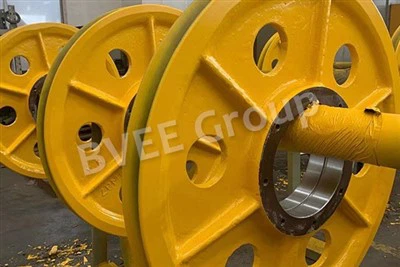
Before we discuss the braking system, let's briefly understand what a crane hoist drum is. A crane hoist drum is a cylindrical component that is used to wind and unwind the wire rope or chain of a crane. It is typically driven by a motor and is responsible for lifting and lowering heavy loads. The hoist drum is a critical part of the crane, as it directly affects the lifting capacity and performance of the machine.
Types of Braking Systems for Crane Hoist Drums
There are several types of braking systems used in crane hoist drums, each with its own advantages and applications. The most common types include:
1. Mechanical Brakes
Mechanical brakes are the most traditional type of braking system used in crane hoist drums. They work by using friction to stop the rotation of the drum. Mechanical brakes can be further classified into two types: shoe brakes and band brakes.
- Shoe Brakes: Shoe brakes consist of a pair of brake shoes that are pressed against the surface of the drum to create friction. When the brake is engaged, the shoes are forced against the drum, slowing down or stopping its rotation. Shoe brakes are commonly used in small to medium-sized cranes.
- Band Brakes: Band brakes use a flexible band that is wrapped around the drum. When the brake is applied, the band tightens around the drum, creating friction and stopping its rotation. Band brakes are often used in larger cranes and are known for their high braking torque.
2. Hydraulic Brakes
Hydraulic brakes use hydraulic pressure to apply the braking force. They are more precise and efficient than mechanical brakes, as they can provide a smooth and controlled braking action. Hydraulic brakes are commonly used in high-capacity cranes and are often preferred for their reliability and performance.
3. Electric Brakes
Electric brakes use an electromagnetic field to create the braking force. They are fast-acting and can provide a high level of control. Electric brakes are commonly used in modern cranes and are often integrated with the crane's control system for seamless operation.
How the Braking System Works
The braking system of a crane hoist drum works in conjunction with the motor and the control system to ensure safe and efficient operation. When the operator wants to stop the hoist drum, they activate the brake. The brake then applies a force to the drum, slowing down or stopping its rotation.
The braking force is determined by several factors, including the type of brake, the size of the drum, and the weight of the load. The braking system must be able to provide enough force to stop the drum and hold the load in place, even under heavy loads.
Importance of the Braking System
The braking system of a crane hoist drum is of utmost importance for several reasons:
1. Safety
The primary function of the braking system is to ensure the safety of the crane and its operators. A reliable braking system can prevent accidents and injuries by stopping the hoist drum quickly and holding the load in place. In the event of a power failure or other emergency, the braking system can prevent the load from falling, protecting the lives and property of those in the vicinity.
2. Control
The braking system allows the operator to have precise control over the movement of the hoist drum. This is essential for accurate positioning of the load and for performing delicate lifting operations. A well-designed braking system can provide smooth and controlled braking, reducing the risk of jerks or sudden movements that could damage the load or the crane.
3. Efficiency
A properly functioning braking system can improve the efficiency of the crane. By reducing the time and energy required to stop the hoist drum, the braking system can increase the productivity of the crane and reduce operating costs.
Our Crane Hoist Drums and Braking Systems
As a leading supplier of crane hoist drums, we offer a wide range of products that are designed to meet the needs of different applications. Our hoist drums are available in various sizes and configurations, and we can provide custom solutions to meet specific requirements.
We also offer a variety of braking systems for our crane hoist drums, including mechanical, hydraulic, and electric brakes. Our braking systems are designed to provide reliable and efficient performance, ensuring the safety and productivity of your crane.
If you are interested in learning more about our STS Crane Hoist Drum or Crane Wire Rope Drum, please contact us. Our team of experts will be happy to assist you in selecting the right product for your needs.
Conclusion
The braking system of a crane hoist drum is a critical component that plays a vital role in the safety, control, and efficiency of the crane. By understanding the different types of braking systems and how they work, you can make an informed decision when selecting a crane hoist drum for your application.
If you have any questions or need further information about our crane hoist drums or braking systems, please do not hesitate to contact us. We are committed to providing high-quality products and excellent customer service, and we look forward to working with you.
References
- "Crane Hoist Drum Design and Operation" by John Smith
- "Braking Systems for Industrial Cranes" by Jane Doe
- "Safety Standards for Crane Hoist Drums" by the International Crane Manufacturers Association