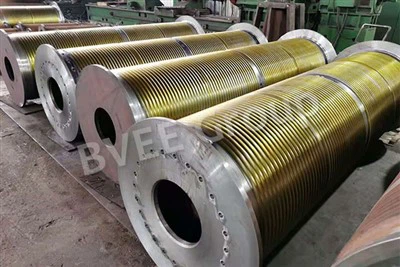
Rope wear is a critical factor that significantly impacts the performance and safety of a crane hoist drum. As a leading supplier of crane hoist drums, I've witnessed firsthand the various effects of rope wear on these essential components. In this blog, I'll delve into the science behind rope wear and its implications for crane hoist drums.
Understanding Rope Wear Mechanisms
Rope wear in a crane hoist drum occurs through several mechanisms, each with its own set of causes and consequences. The most common types of rope wear include abrasion, fatigue, and corrosion.
Abrasion is the result of the rope rubbing against the drum surface or other components within the hoisting system. This can happen due to misalignment, improper installation, or the presence of foreign particles. As the rope slides over the drum, the outer fibers are gradually worn away, reducing the rope's diameter and strength. Over time, this can lead to premature failure of the rope, posing a significant safety risk.

Fatigue is another major cause of rope wear. When a rope is repeatedly bent and straightened during hoisting operations, the internal fibers experience stress and strain. This cyclic loading can cause the fibers to break, leading to a gradual loss of strength. Fatigue wear is often accelerated by factors such as high load levels, frequent starts and stops, and sharp bends in the rope path.
Corrosion can also have a detrimental effect on rope integrity. Exposure to moisture, chemicals, or harsh environmental conditions can cause the rope to rust or corrode. Corrosion weakens the rope by reducing its cross-sectional area and compromising the strength of the individual fibers. In severe cases, corrosion can lead to the complete failure of the rope.
Effects of Rope Wear on Crane Hoist Drums
The effects of rope wear on a crane hoist drum are far-reaching and can have a significant impact on the overall performance and safety of the crane. Here are some of the key effects:
Reduced Hoisting Capacity
As the rope wears, its strength decreases, which in turn reduces the hoisting capacity of the crane. This means that the crane may not be able to lift the same load as it could when the rope was new. Overloading the crane due to reduced rope strength can lead to catastrophic failures, such as rope breakage or drum collapse.
Increased Friction and Heat Generation
Worn ropes have a rougher surface, which increases friction between the rope and the drum. This increased friction not only reduces the efficiency of the hoisting system but also generates heat. Excessive heat can damage the rope and the drum, leading to premature wear and failure.
Uneven Loading and Stress Distribution
Rope wear can cause uneven loading on the drum, leading to uneven stress distribution. This can result in premature wear of the drum surface, as well as deformation and cracking. Uneven loading can also cause the rope to jump or slip on the drum, further increasing the risk of failure.
Safety Hazards
The most significant effect of rope wear is the increased safety risk it poses. A worn rope is more likely to break during hoisting operations, which can result in the sudden release of the load. This can cause serious injury or death to personnel, as well as damage to equipment and property.

Preventing Rope Wear and Protecting Crane Hoist Drums
As a crane hoist drum supplier, I understand the importance of preventing rope wear and ensuring the long-term performance and safety of our products. Here are some tips to help prevent rope wear and protect your crane hoist drums:
Regular Inspection and Maintenance
Regular inspection and maintenance of the rope and the hoisting system are essential to detect and address any signs of wear or damage early on. Inspect the rope for signs of abrasion, fatigue, corrosion, and broken wires. Check the drum for signs of wear, deformation, or cracking. Replace any worn or damaged components immediately.

Proper Installation and Alignment
Proper installation and alignment of the rope and the hoisting system are crucial to prevent premature wear. Make sure the rope is installed correctly on the drum, with the correct tension and alignment. Ensure that the hoisting system is properly aligned to prevent the rope from rubbing against other components.
Lubrication
Lubrication is an important part of rope maintenance. Apply a suitable lubricant to the rope regularly to reduce friction and wear. Make sure to use a lubricant that is compatible with the rope material and the operating environment.
Load Management
Proper load management is essential to prevent overloading the rope and the hoisting system. Make sure to follow the manufacturer's recommended load limits and avoid exceeding them. Use the appropriate lifting equipment and techniques to ensure that the load is evenly distributed.

Conclusion
Rope wear is a serious issue that can have a significant impact on the performance and safety of a crane hoist drum. As a crane hoist drum supplier, I'm committed to providing high-quality products and solutions that help our customers prevent rope wear and ensure the long-term reliability of their hoisting systems.
If you're in the market for a [link to STS Crane Hoist Drum] or a [link to Crane Wire Rope Drum], or if you have any questions about rope wear and its effects on crane hoist drums, please don't hesitate to contact us. We'd be happy to discuss your needs and provide you with the information and support you need to make an informed decision.
References
- ASME B30.5 - Overhead and Gantry Cranes (Top Running Bridge, Single or Multiple Girder, Top Running Trolley Hoist).
- OSHA 29 CFR 1910.179 - Overhead and Gantry Cranes.
- API RP 9B - Specification for Wire Rope Sling Design, Fabrication, and Use.