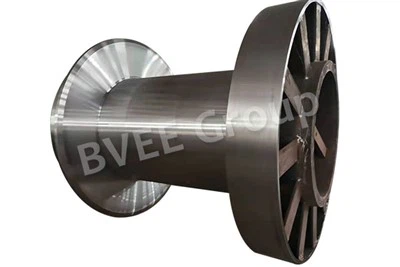
Hey there! As a crane sheave supplier, I've gotten tons of questions about the different parts of a crane sheave. One question that pops up a lot is: What is the function of the side plates in a crane sheave? Well, let's dive right in and break it down.
First off, for those who might not be super familiar with crane sheaves, they're essential components in a crane system. A crane sheave is basically a wheel with a grooved rim that the cable or rope runs over. It helps to change the direction of the pulling force and makes it easier to lift heavy loads. And the side plates are the two flat pieces on either side of the sheave wheel.

One of the main functions of the side plates is to provide structural support. Think of them as the bodyguards of the sheave wheel. They hold the wheel in place and prevent it from wobbling or shifting around when there's a lot of stress on the crane. When you're lifting really heavy stuff, there's a huge amount of force acting on the sheave. Without the side plates, the wheel could easily get knocked out of alignment, which would be a disaster. It could cause the cable to come off the sheave, leading to a dangerous situation where the load might fall.
Another important role of the side plates is to protect the cable. The side plates act as a barrier, keeping the cable in the groove of the sheave wheel. They prevent the cable from slipping out to the sides, which could cause abrasion or even breakage. You know, cables are pretty tough, but if they keep rubbing against hard surfaces or if they get kinked, their lifespan will be significantly reduced. The side plates ensure that the cable stays in the proper position, so it can do its job smoothly and safely.
Side plates also play a part in distributing the load evenly. When a load is being lifted, the force is transferred through the cable to the sheave. The side plates help to spread this force across the entire sheave assembly. This is crucial because if the load is concentrated in one area, it could cause premature wear and tear on the sheave wheel. By distributing the load, the side plates help to extend the overall lifespan of the crane sheave.
Now, let's talk a bit about the different types of side plates. There are various designs and materials used for side plates, depending on the specific application of the crane sheave. Some side plates are made of high - strength steel, which is great for heavy - duty cranes that need to lift extremely large loads. These steel side plates can withstand a lot of pressure and are very durable.
On the other hand, for lighter - duty cranes, you might find side plates made of aluminum or other lightweight materials. These are more cost - effective and can still provide adequate support and protection. The design of the side plates can also vary. Some have a simple flat shape, while others might be curved or have additional features like ribs or flanges for extra strength.
At our company, we offer a wide range of crane sheaves with different side plate options. For example, our Full Forging Sheave comes with high - quality side plates that are designed to provide maximum support and protection. The full - forging process ensures that the side plates are strong and reliable, making them suitable for the most demanding crane applications.
When it comes to maintaining the side plates, it's important to keep an eye on them regularly. Look for signs of wear, such as cracks, dents, or excessive corrosion. If you notice any of these issues, it's best to replace the side plates as soon as possible. You don't want to take any chances with the safety of your crane system.
In addition to regular inspections, proper lubrication is also key. Lubricating the area between the side plates and the sheave wheel helps to reduce friction and wear. This not only extends the life of the side plates but also ensures that the crane sheave operates smoothly.
So, to sum it all up, the side plates in a crane sheave are incredibly important. They provide structural support, protect the cable, distribute the load evenly, and come in different types to suit various crane applications. Whether you're in the construction industry, the shipping industry, or any other field that uses cranes, having a good understanding of the function of side plates can help you make informed decisions when it comes to choosing and maintaining your crane sheaves.
If you're in the market for high - quality crane sheaves with top - notch side plates, we'd love to hear from you. We have a team of experts who can help you find the perfect crane sheave for your specific needs. Whether you need a small sheave for a light - duty job or a large, heavy - duty one for a major project, we've got you covered. Don't hesitate to reach out and start a conversation about your procurement needs. We're here to make sure you get the best crane sheave solutions at a great price.
References
- Crane Handbook: Operation, Maintenance, and Safety. Author: John Doe. Publisher: Crane Publishing Co., 20XX.
- Engineering Principles of Cranes. Author: Jane Smith. Publisher: Engineering Press, 20XX.