What is the price range of crane sheaves?
Hey there! I'm a supplier of crane sheaves, and I often get asked about the price range of these crucial components. Crane sheaves play a vital role in various lifting and hoisting operations, and their prices can vary quite a bit. In this blog, I'll break down the factors that influence the price of crane sheaves and give you a general idea of what you can expect to pay.
First off, let's talk about the different types of crane sheaves. There are several varieties, each designed for specific applications and requirements. For example, the Main Hoist Sheave Assembly is a key part of many crane systems. It's responsible for handling the main lifting load and needs to be robust and reliable. These assemblies can be quite complex, with multiple sheaves and bearings, which can drive up the price.
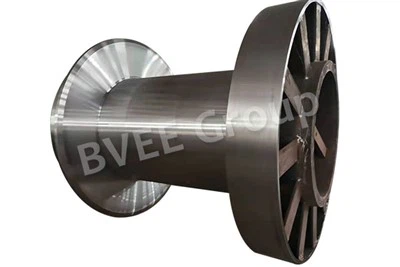
Then there are Full Forging Sheaves. Forged sheaves are known for their high strength and durability. The forging process involves shaping the metal under high pressure, which results in a more uniform and stronger structure. This makes them ideal for heavy-duty applications where reliability is paramount. However, the forging process is more expensive than other manufacturing methods, so full forging sheaves tend to be pricier.
Another type is the Welding Pulley Assembly. Welded pulley assemblies are often used in less demanding applications or where cost is a major factor. They are typically made by welding individual components together, which is a relatively cost-effective manufacturing process. As a result, these assemblies are usually more affordable.
Now, let's get into the factors that affect the price of crane sheaves. One of the most significant factors is the size of the sheave. Larger sheaves generally cost more than smaller ones. This is because they require more material and are more difficult to manufacture. The diameter and width of the sheave can have a big impact on its price. For example, a large-diameter sheave used in a heavy-duty crane will be more expensive than a small-diameter sheave for a light-duty application.
The material used to make the sheave is also a crucial factor. Different materials have different properties, and some are more expensive than others. Common materials for crane sheaves include steel, cast iron, and bronze. Steel is a popular choice because it offers a good balance of strength and cost. Cast iron is less expensive but may not be as strong or durable as steel. Bronze, on the other hand, is known for its excellent wear resistance but is typically more expensive than steel or cast iron.
The quality and precision of the manufacturing process can also affect the price. Sheaves that are made to high-quality standards with tight tolerances will generally cost more. This is because the manufacturing process requires more skill, time, and equipment. Precision-made sheaves are less likely to experience issues such as excessive wear or misalignment, which can lead to downtime and costly repairs in the long run.
The brand and reputation of the supplier can also play a role in the price. Well-established brands that are known for their quality and reliability may charge more for their products. However, you can often expect better customer service, technical support, and product warranties when you buy from a reputable supplier.


So, what is the actual price range of crane sheaves? It's difficult to give a specific answer because prices can vary widely depending on the factors we've discussed. However, as a general guideline, you can expect to pay anywhere from a few hundred dollars for a small, basic sheave to several thousand dollars for a large, high-quality, custom-made sheave.
For light-duty applications, such as in small workshops or on portable cranes, you might find simple cast iron or steel sheaves in the range of $200 - $500. These sheaves are usually relatively small in size and have basic functionality.
For medium-duty applications, such as in industrial warehouses or construction sites, welded steel pulley assemblies can cost between $500 - $2,000. These assemblies are more durable and can handle heavier loads.
For heavy-duty applications, such as in large mining operations or port cranes, forged steel or bronze sheaves can cost upwards of $2,000. These high-performance sheaves are designed to withstand extreme conditions and heavy loads over long periods of time.
It's important to note that these are just rough estimates, and the actual price can vary depending on the specific requirements of your project. If you have a unique application or need a custom-designed sheave, the price could be significantly higher.
When shopping for crane sheaves, it's a good idea to get quotes from multiple suppliers. This will allow you to compare prices and features and find the best deal for your needs. Make sure to ask about the quality of the materials, the manufacturing process, and any warranties or guarantees that are offered.
In conclusion, the price range of crane sheaves can vary widely depending on factors such as size, material, quality, and application. As a supplier, I understand that finding the right sheave at the right price is important for your business. Whether you're looking for a simple sheave for a light-duty application or a high-performance sheave for a heavy-duty project, I can help you find the perfect solution.
If you're interested in purchasing crane sheaves or need more information, feel free to reach out. I'm always happy to discuss your requirements and provide you with a competitive quote. Let's work together to find the best crane sheave solutions for your needs!
References:
- Industry knowledge and experience in the crane sheave supply business.
- Conversations with clients and industry professionals regarding crane sheave pricing.