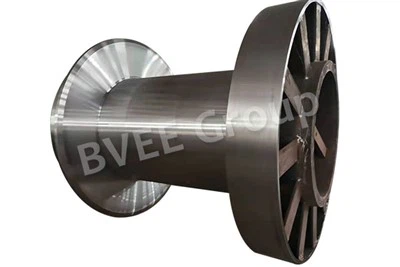
As a crane sheave supplier, I've spent years in the industry, witnessing firsthand the vital role these components play in a crane's operation. One of the most significant functions of a crane sheave is its ability to reduce rope wear, which is something I'm excited to share in more detail.


Let's first understand the basic setup. A crane sheave is essentially a wheel with a grooved rim around which a rope or cable passes. It's a simple yet ingenious device that has been used in various lifting and hoisting applications for ages. When a rope is used in a crane system without a sheave, it has to bear a lot of stress directly. The rope is pulled over sharp edges or rough surfaces, which can cause rapid wear and tear.
The main way a crane sheave reduces rope wear is by providing a smooth and rounded surface for the rope to move on. The grooved design of the sheave is carefully crafted to fit the rope snugly. This ensures that the rope doesn't rub against any sharp corners or edges, which are the main culprits behind rope damage. Instead, the rope glides smoothly along the sheave's groove, minimizing friction.
Friction is the enemy of ropes. When a rope rubs against a rough surface, it generates heat. This heat can weaken the rope's fibers over time, making it more prone to breakage. A well - designed crane sheave reduces this friction significantly. The material used in the sheave also plays an important role. High - quality sheaves are often made from materials like forged steel or cast iron. These materials are hard and smooth, which further reduces the friction between the sheave and the rope.
Another aspect is the distribution of load. In a crane system, the load is transferred from the object being lifted to the rope and then to the sheave. The sheave distributes this load evenly across the rope. When the load is unevenly distributed, certain parts of the rope bear more stress than others. This can lead to premature wear in those areas. The sheave spreads the load out, so that the stress is more evenly shared among the rope's fibers. This not only reduces wear but also increases the overall strength and lifespan of the rope.
Let's take a look at some specific types of crane sheaves that are particularly good at reducing rope wear. One great example is the STS Crane Forged Sheave. The forging process gives this sheave a very strong and smooth surface. The grooves are precisely machined to match the rope's diameter, ensuring a perfect fit. This type of sheave is commonly used in ship - to - shore cranes, where the ropes are under a lot of stress due to the heavy loads being lifted.
The Main Hoist Sheave Assembly is another important component. It consists of multiple sheaves working together. The main hoist is responsible for lifting and lowering the heavy loads in a crane. By using multiple sheaves in an assembly, the load is distributed even more effectively. Each sheave takes a portion of the load, and the ropes are guided smoothly through the system. This reduces the stress on each individual rope and minimizes wear.
The Catenary Trolley Rope Tensioner Device also has a sheave that helps in reducing rope wear. This device is used to maintain the proper tension in the trolley ropes. When the ropes are properly tensioned, they run more smoothly over the sheaves. The sheave in the tensioner device is designed to handle the dynamic forces that occur as the trolley moves back and forth. It ensures that the ropes don't slacken or become too tight, which can both cause excessive wear.
In addition to the design and material of the sheave, proper maintenance is also crucial for reducing rope wear. Regular inspection of the sheaves for signs of wear, such as groove deformation or surface roughness, is necessary. If any issues are detected, the sheaves should be repaired or replaced promptly. Lubrication of the sheave's bearings and the rope itself can also reduce friction and extend the life of both the sheave and the rope.
As a crane sheave supplier, I've seen how the right sheave can make a huge difference in a crane system. By reducing rope wear, the sheaves not only save money on rope replacements but also increase the safety and reliability of the crane. A worn - out rope is a major safety hazard, as it can break unexpectedly during operation. By using high - quality sheaves that are designed to reduce rope wear, operators can avoid these dangerous situations.
If you're in the market for crane sheaves, whether it's for a small hoist or a large industrial crane, I'd love to talk to you. Our team of experts can help you choose the right sheaves for your specific application. We have a wide range of products available, from standard sheaves to customized solutions. We understand that every crane system is unique, and we're committed to providing the best possible products and services to meet your needs. So, if you're looking to reduce rope wear and improve the performance of your crane, don't hesitate to reach out for a discussion.
References
- "Crane Engineering Handbook" - A comprehensive guide on crane components and their functions.
- "Wire Rope Technology and Applications" - This book provides in - depth knowledge about wire ropes and how to protect them from wear.
- Industry white papers on crane safety and maintenance, which often touch on the importance of reducing rope wear.