Hey there! As a supplier of wire rope sheaves, I've gotten tons of questions about how these things actually work. So, I thought I'd take some time to break it down for you in a way that's easy to understand.
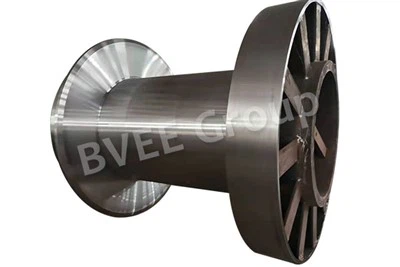
Let's start with the basics. A wire rope sheave is basically a wheel with a grooved rim that a wire rope runs over. It's a simple yet incredibly useful device that's been around for ages. You can find wire rope sheaves in all sorts of applications, from construction cranes to elevators, and even in some industrial machinery.
The working principle of a wire rope sheave is all about changing the direction of a wire rope and reducing friction. When a wire rope passes over a sheave, the sheave's grooved rim guides the rope, allowing it to move smoothly without slipping off. This is super important because it helps to prevent damage to the rope and ensures that it can transfer force effectively.


One of the key things to understand about wire rope sheaves is the concept of mechanical advantage. By using a sheave, you can change the direction of the force applied to the wire rope, which can make it easier to lift or move heavy loads. For example, if you're trying to lift a heavy object using a wire rope, you can use a sheave to change the direction of the rope so that you can pull down on it instead of trying to lift the object directly. This can significantly reduce the amount of force you need to apply, making the task much easier.
Another important factor to consider is friction. When a wire rope passes over a sheave, there's always some friction between the rope and the sheave's surface. This friction can cause wear and tear on the rope and reduce its lifespan. To minimize friction, wire rope sheaves are often made from materials that have a low coefficient of friction, such as steel or aluminum. Additionally, the sheaves are usually designed with smooth, polished surfaces to further reduce friction.
Now, let's talk about the different types of wire rope sheaves. There are several different types available, each designed for specific applications. Some of the most common types include Welding Sheave, Catenary Trolley Rope Tensioner Device, and STS Crane Forged Sheave.
Welding sheaves are typically used in welding applications, where they help to guide the wire rope and ensure that it's properly aligned. These sheaves are often made from high-strength materials to withstand the heat and stress of welding operations.
Catenary trolley rope tensioner devices are used to maintain the proper tension in a wire rope that's used to support a catenary trolley. These devices are important because they help to ensure that the trolley moves smoothly and safely along the track.
STS crane forged sheaves are designed for use in ship-to-shore (STS) cranes, which are used to load and unload cargo from ships. These sheaves are typically made from forged steel to provide the strength and durability needed to handle heavy loads.
When choosing a wire rope sheave, it's important to consider several factors, including the size and type of the wire rope, the load capacity, and the operating environment. You also need to make sure that the sheave is properly installed and maintained to ensure its safe and efficient operation.
Proper installation is crucial for the performance and longevity of a wire rope sheave. The sheave should be mounted securely on a shaft or axle, and the shaft should be properly aligned to ensure that the sheave rotates smoothly. Additionally, the wire rope should be properly seated in the sheave's groove to prevent it from slipping or jumping out.
Maintenance is also important to keep the wire rope sheave in good working condition. Regular inspections should be carried out to check for signs of wear and tear, such as cracks, corrosion, or excessive wear on the sheave's surface. If any problems are detected, the sheave should be repaired or replaced immediately to prevent further damage.
In conclusion, wire rope sheaves are simple yet essential devices that play a crucial role in many different applications. By understanding their working principle and the different types available, you can choose the right sheave for your needs and ensure its safe and efficient operation.
If you're in the market for wire rope sheaves, I'd love to help you find the perfect solution for your application. Whether you need a standard sheave or a custom-designed one, I've got the expertise and experience to provide you with high-quality products at competitive prices. Just reach out to me, and we can start discussing your requirements. Let's work together to get the job done right!
References
- Machinery's Handbook: A reference book that provides comprehensive information on mechanical engineering, including details about wire rope sheaves and their applications.
- Engineering textbooks on mechanical design and materials science, which cover the principles of friction, mechanical advantage, and the properties of materials used in wire rope sheaves.