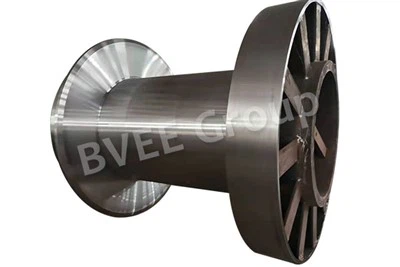
As a supplier of spreader twistlocks, I often encounter inquiries about the materials used in their production. Understanding the materials is crucial as it directly impacts the performance, durability, and safety of these essential components in container handling operations. In this blog, I'll delve into the various materials commonly used to make spreader twistlocks, their properties, and why they are selected for this specific application.
1. Steel Alloys
Steel alloys are by far the most prevalent materials for spreader twistlocks. The primary reason for this is their excellent combination of strength, toughness, and wear - resistance.
Carbon Steel
Carbon steel is a basic yet highly effective choice. It contains varying amounts of carbon, typically between 0.05% and 2.1% by weight. Low - carbon steel (less than 0.3% carbon) is relatively soft and ductile, which makes it easy to form and weld. However, for spreader twistlocks, medium - carbon steel (0.3% - 0.6% carbon) is more commonly used. It offers a good balance of strength and ductility. The increased carbon content provides higher tensile strength, allowing the twistlocks to withstand the heavy loads and stresses encountered during container lifting and handling.
For example, when a spreader twistlock is engaged with a container corner casting, it has to bear the weight of the entire container, which can range from a few tons to over 30 tons. Medium - carbon steel can handle these loads without deforming or breaking under normal operating conditions.
Alloy Steel
Alloy steel is an enhanced version of carbon steel, with additional elements such as chromium, nickel, molybdenum, and vanadium added to improve its properties. Chromium, for instance, increases the corrosion resistance of the steel, which is particularly important as spreader twistlocks are often exposed to harsh environmental conditions, including moisture, saltwater (in port areas), and chemicals.
Nickel improves the toughness and ductility of the steel, especially at low temperatures. This is crucial in regions with cold climates, where the twistlocks need to maintain their mechanical properties even in freezing conditions. Molybdenum enhances the strength and hardenability of the steel, allowing it to be heat - treated to achieve the desired hardness and toughness.
Alloy steels used in spreader twistlocks are carefully formulated to meet specific industry standards and requirements. They are often heat - treated through processes like quenching and tempering to optimize their mechanical properties. This results in twistlocks that are not only strong but also resistant to fatigue, which is essential as they undergo repeated loading and unloading cycles during their service life.
2. Cast Iron
Although not as common as steel alloys, cast iron is sometimes used for certain types of spreader twistlocks. Cast iron is an alloy of iron, carbon, and silicon, with a carbon content typically ranging from 2% to 4%.
Gray Cast Iron
Gray cast iron is known for its excellent castability, which means it can be easily molded into complex shapes. It has good damping capacity, which helps to absorb vibrations during container handling. This can be beneficial in reducing noise and wear on the twistlock and the associated equipment.
However, gray cast iron is relatively brittle compared to steel alloys. It has lower tensile strength and is more prone to cracking under high - impact loads. Therefore, it is usually used in applications where the twistlocks are not subjected to extremely heavy loads or high - stress conditions.
Ductile Cast Iron
Ductile cast iron, also known as nodular cast iron, is an improved version of gray cast iron. It contains small amounts of magnesium or cerium, which causes the graphite in the iron to form in spherical nodules rather than the flaky graphite structure found in gray cast iron. This gives ductile cast iron much higher ductility and toughness compared to gray cast iron.
Ductile cast iron can withstand higher loads and impacts than gray cast iron, making it a more suitable choice for spreader twistlocks in some cases. It also has good corrosion resistance, although not as high as some alloy steels. The combination of its castability, strength, and ductility makes ductile cast iron a viable option for certain twistlock designs, especially when cost - effectiveness is a consideration.
3. Other Materials
In addition to steel alloys and cast iron, there are a few other materials that may be used in specific applications or as part of the twistlock design.
Stainless Steel
Stainless steel is a type of alloy steel that contains at least 10.5% chromium, which gives it excellent corrosion resistance. It is often used in applications where the twistlocks are exposed to highly corrosive environments, such as in offshore container handling or in areas with high levels of pollution.
Stainless steel twistlocks are less likely to rust or corrode over time, which can extend their service life and reduce maintenance requirements. However, stainless steel is generally more expensive than carbon or alloy steels, so its use is usually limited to situations where corrosion resistance is a top priority.
Composite Materials
Composite materials, such as fiber - reinforced polymers (FRPs), are also being explored for use in spreader twistlocks. FRPs consist of a polymer matrix (such as epoxy or polyester) reinforced with fibers (such as carbon fibers or glass fibers).
These materials offer several advantages, including high strength - to - weight ratio, corrosion resistance, and the ability to be molded into complex shapes. However, they also have some limitations. For example, their long - term durability under high - load and high - stress conditions is still being studied. Additionally, the cost of manufacturing FRP twistlocks can be relatively high, which may limit their widespread adoption at present.


The Importance of Material Selection
The choice of material for spreader twistlocks is not arbitrary. It is based on a careful consideration of several factors, including the desired mechanical properties, the operating environment, and the cost.
Mechanical properties such as strength, toughness, and wear - resistance are crucial as the twistlocks need to perform reliably under heavy loads and repeated use. The operating environment, whether it is a dry inland port or a humid coastal area, determines the need for corrosion resistance. And of course, cost is always a factor, as manufacturers need to balance the performance requirements with the production cost to remain competitive in the market.
As a supplier, we ensure that the materials we use in our Twistlock Container Spreader and Twistlock Device Assembly meet the highest industry standards. We conduct rigorous testing on our products to ensure that they can withstand the toughest conditions and provide long - lasting performance.
Conclusion
In conclusion, spreader twistlocks are typically made from materials such as steel alloys, cast iron, stainless steel, and to a lesser extent, composite materials. Each material has its own unique properties and advantages, and the choice of material depends on the specific requirements of the application.
If you are in the market for high - quality spreader twistlocks, we invite you to contact us for a detailed discussion about your needs. Our team of experts is ready to assist you in selecting the most suitable twistlocks for your container handling operations. We are committed to providing you with products that offer the best combination of performance, durability, and value for money.
References
- ASME B30.20 - Safety Standard for Below - the - Hook Lifting Devices
- ISO 1161 - Specification for Corner Fittings for Intermodal Containers
- AWS D1.1 - Structural Welding Code - Steel