Hey there! As a supplier of crane sheaves, I often get asked a bunch of questions about the compatibility of different components. One question that pops up quite frequently is, "Can a crane sheave be used with a synthetic rope?" Well, let's dive right into this topic and find out.
First off, let's talk a bit about what crane sheaves and synthetic ropes are. Crane sheaves are those big wheels with a grooved rim that are used in cranes to change the direction of a rope or cable. They play a crucial role in the operation of cranes, helping to lift and move heavy loads safely and efficiently. On the other hand, synthetic ropes are made from high - strength fibers like polyester, nylon, or Dyneema. They're known for being lightweight, flexible, and resistant to corrosion, which makes them a popular choice in many industries.
Now, the short answer to whether a crane sheave can be used with a synthetic rope is yes, it can. But, there are a few things you need to keep in mind to ensure a safe and effective operation.
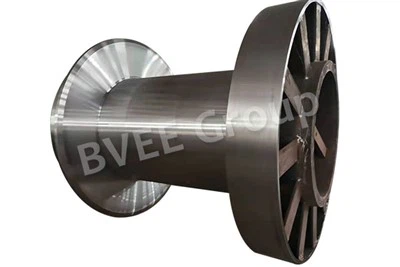
One of the most important factors is the material and design of the crane sheave. When using a synthetic rope, you need to make sure that the sheave is made from a material that won't damage the rope. For example, some metals can have sharp edges or rough surfaces that might cut or abrade the synthetic fibers. A smooth and properly finished sheave is essential. That's where our Full Forging Sheave comes in. It's forged to have a high - quality surface finish, which is gentle on synthetic ropes.
The groove design of the sheave also matters a great deal. Synthetic ropes have different characteristics compared to traditional steel ropes. They're more flexible and can deform more easily. So, the groove of the sheave should be designed to accommodate the shape and properties of the synthetic rope. A well - designed groove will provide proper support to the rope, reducing the risk of excessive wear and tear. If the groove is too narrow, it can pinch the rope and cause internal damage. If it's too wide, the rope might not sit properly in the groove, leading to uneven loading and potential failure.
Another aspect to consider is the load capacity. Both the crane sheave and the synthetic rope have their own load - bearing limits. You need to make sure that the combination of the two can handle the intended load. When selecting a sheave and a synthetic rope, always check their load ratings and make sure they are compatible. Overloading either the sheave or the rope can lead to catastrophic failures, which is definitely something you want to avoid.
The operating environment also plays a role. Synthetic ropes are generally more resistant to environmental factors like moisture and chemicals compared to steel ropes. However, extreme temperatures can affect their performance. If you're operating in a very hot or cold environment, you need to choose a synthetic rope that can withstand those conditions. And the sheave should also be able to function properly in the same environment. For example, in a corrosive environment, a sheave with a good anti - corrosion coating would be a great choice.
Now, let's talk about some of the advantages of using a crane sheave with a synthetic rope. One of the biggest advantages is the weight. Synthetic ropes are much lighter than steel ropes. This means that the overall weight of the crane system is reduced, which can lead to energy savings. Lighter ropes are also easier to handle, which can improve the efficiency of the crane operation.
Another advantage is the flexibility. Synthetic ropes can be bent more easily than steel ropes. This allows for a more compact design of the crane system, as the ropes can be wound around smaller sheaves. It also means that the ropes can adapt better to different operating conditions.
However, there are also some challenges. As I mentioned earlier, synthetic ropes are more prone to damage from sharp edges and rough surfaces. So, you need to be extra careful when handling and installing them. Also, they have a limited lifespan compared to steel ropes, especially under heavy - duty use.
In conclusion, a crane sheave can definitely be used with a synthetic rope, but it requires careful consideration of several factors. The material, design, load capacity, and operating environment all need to be taken into account. At our company, we've been in the business of supplying high - quality crane sheaves for a long time. We understand the importance of getting these details right.
If you're in the market for a crane sheave that's compatible with synthetic ropes, or if you have any questions about the compatibility of our products, don't hesitate to reach out. We're here to help you make the right choice for your crane system. Whether you're a small - scale operator or a large industrial company, we have the expertise and the products to meet your needs. So, let's start a conversation and see how we can work together to improve your crane operations.

References
- Crane and Rigging Handbook, various editions
- Technical manuals of synthetic rope manufacturers
- Industry standards and guidelines for crane sheaves and ropes