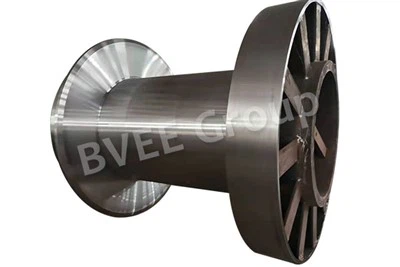
As a trusted bogie structure supplier, ensuring the highest quality in production is not just a goal; it's a fundamental commitment. Bogie structures are critical components in various industries, especially in the realm of gantry cranes. In this blog, I will delve into the comprehensive quality control measures we implement in bogie structure production.
Raw Material Inspection
The quality of bogie structures starts with the raw materials. We source our materials from reputable suppliers with a proven track record of providing high - grade steel and other necessary components. Before any material enters our production facility, a rigorous inspection process is carried out.


We check the chemical composition of the steel to ensure it meets the required standards. This is done through advanced spectroscopic analysis. For example, the carbon content, which affects the strength and hardness of the steel, must be within a specific range. Any deviation from the standard can lead to structural weaknesses in the final bogie structure.
In addition to chemical analysis, we also conduct physical inspections. This includes checking the dimensions of the raw materials. The thickness, width, and length of the steel plates must be accurate to ensure proper fit and function during the manufacturing process. We use precision measuring tools such as calipers and micrometers to verify these dimensions. Any material that does not meet the specified tolerances is rejected. You can learn more about Bogie Structure on our website.
Welding Quality Control
Welding is a crucial process in bogie structure production, as it joins the various components together. To ensure high - quality welds, we have a team of highly skilled and certified welders. These welders are trained to follow strict welding procedures that are based on international standards.
Before welding, the surfaces to be joined are carefully prepared. This involves cleaning the steel to remove any rust, dirt, or contaminants that could affect the quality of the weld. We also use proper welding techniques, such as the appropriate welding current, voltage, and speed. These parameters are closely monitored during the welding process to ensure consistent and strong welds.
Non - destructive testing (NDT) methods are employed to inspect the welds. Ultrasonic testing (UT) is used to detect internal flaws in the welds, such as cracks or porosity. This method works by sending high - frequency sound waves into the weld and analyzing the echoes that are reflected back. If any flaws are detected, the weld is repaired or, if necessary, redone.
Another NDT method we use is magnetic particle testing (MT) for ferromagnetic materials. This method is effective in detecting surface and near - surface flaws. By applying a magnetic field and magnetic particles to the weld area, any discontinuities in the magnetic field caused by flaws will attract the particles, making the flaws visible.
Machining and Assembly Quality
After welding, the bogie structure undergoes machining processes to achieve the required precision. Machining operations such as milling, turning, and drilling are carried out to create the necessary holes, surfaces, and profiles. During machining, we use advanced CNC (Computer Numerical Control) machines, which offer high accuracy and repeatability.
The dimensions of the machined parts are continuously monitored using coordinate measuring machines (CMMs). These machines can measure the position and size of features with extremely high precision. Any deviation from the design specifications is immediately corrected to ensure that the parts fit together perfectly during assembly.
Assembly is a critical stage where all the machined and welded components are put together. We have a well - organized assembly line where each step is carefully planned and executed. The components are checked for proper alignment and fit before being fastened together. We use torque wrenches to ensure that the bolts are tightened to the correct specifications. Over - tightening or under - tightening can lead to premature failure of the bogie structure.
Final Inspection and Testing
Once the bogie structure is assembled, a final inspection is carried out. This includes a visual inspection to check for any surface defects, such as scratches, dents, or paint imperfections. We also conduct a final dimensional check to ensure that the overall structure meets the design requirements.
Functional testing is an important part of the quality control process. The bogie structure is tested under simulated operating conditions to ensure its performance. For example, in the context of STS And RTG Crane, the bogie structure is tested for its load - carrying capacity, stability, and maneuverability. We use load cells and other sensors to measure the forces and stresses acting on the structure during testing.
If the bogie structure passes all the inspections and tests, it is then ready for delivery. However, our quality control does not end here. We provide after - sales support to ensure that our customers are satisfied with the performance of the bogie structure.
Quality Management System
To maintain consistent quality in our bogie structure production, we have implemented a comprehensive quality management system (QMS). This system is based on ISO 9001 standards, which provide a framework for ensuring that our processes are well - defined, documented, and continuously improved.
Our QMS includes procedures for document control, internal audits, management reviews, and corrective and preventive actions. We regularly review our processes to identify areas for improvement and take proactive measures to address any issues. This helps us to continuously enhance the quality of our products and services.
Importance of Quality Control in Bogie Structure Production
The quality of bogie structures has a direct impact on the safety and performance of the equipment they are used in. In the case of Container Gantry Crane Travelling Mechanism, a poorly manufactured bogie structure can lead to derailment, excessive wear and tear, and even accidents. By implementing strict quality control measures, we can minimize these risks and ensure the reliable operation of the equipment.
Quality control also helps us to build a good reputation in the market. Customers trust our products because they know that we adhere to the highest quality standards. This, in turn, leads to increased customer satisfaction and loyalty, which are essential for the long - term success of our business.
Conclusion
In conclusion, quality control in bogie structure production is a multi - stage process that involves careful inspection and testing at every step. From raw material inspection to final functional testing, we leave no stone unturned to ensure that our bogie structures meet the highest quality standards.
If you are in the market for high - quality bogie structures, we invite you to contact us for a procurement discussion. Our team of experts is ready to assist you in finding the right solution for your specific needs.
References
- ISO 9001:2015 Quality management systems — Requirements
- Welding Handbook, American Welding Society
- Machinery's Handbook, Industrial Press Inc.