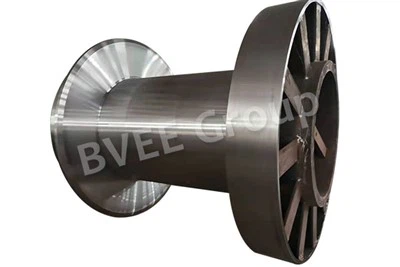
Ensuring an RTG (Rubber Tyred Gantry) crane complies with safety standards is of utmost importance in the port and terminal industry. As an RTG crane supplier, we understand the critical role these machines play in cargo handling operations and the potential risks associated with their use. In this blog, we will discuss the key steps and measures to ensure that an RTG crane meets all safety requirements.
1. Comprehensive Design and Engineering
The foundation of safety in an RTG crane starts with its design and engineering. Our team of experienced engineers follows international safety standards and best practices during the design phase. We conduct in - depth risk assessments to identify potential hazards such as structural failures, electrical malfunctions, and collision risks.
For example, the Port Terminal Travelling Mechanism is designed to provide smooth and stable movement. We use high - quality materials that can withstand the harsh environmental conditions in ports, including saltwater corrosion and high - wind loads. The structural design is optimized to ensure that the crane can handle the maximum rated load without any risk of collapse.
In addition, we incorporate advanced safety features into the design. These include anti - collision systems that use sensors to detect the presence of other cranes or obstacles in the vicinity. The electrical system is designed with multiple layers of protection, such as circuit breakers and grounding systems, to prevent electrical shocks and fires.
2. Quality Manufacturing and Assembly
Once the design is finalized, we focus on high - quality manufacturing and assembly. Our manufacturing facilities are equipped with state - of - the - art machinery and follow strict quality control processes. Every component of the RTG crane, from the steel beams to the electrical components, is carefully inspected before assembly.
We source our materials from trusted suppliers who also adhere to high - quality standards. During the assembly process, our technicians follow detailed assembly instructions to ensure that all components are installed correctly. This includes proper alignment of the wheels, correct installation of the hoisting mechanism, and secure connection of the electrical wiring.
Regular quality checks are carried out at various stages of the manufacturing and assembly process. Non - destructive testing methods, such as ultrasonic testing and magnetic particle testing, are used to detect any internal defects in the structural components. This helps us to identify and rectify any potential safety issues before the crane is completed.
3. Operator Training and Certification
Even the safest RTG crane can pose a risk if it is not operated correctly. That's why we provide comprehensive operator training programs. Our training courses cover all aspects of RTG crane operation, including pre - operation checks, normal operation procedures, and emergency response.
Operators are trained on how to use the crane's control systems effectively, how to handle different types of loads, and how to maintain a safe working distance from other objects. They also learn about the safety features of the crane and how to troubleshoot minor problems.
In addition to practical training, we also ensure that operators obtain the necessary certifications. These certifications are recognized in the industry and demonstrate that the operators have the knowledge and skills to operate the RTG crane safely. Regular refresher courses are also recommended to keep the operators updated on the latest safety standards and best practices.
4. Regular Maintenance and Inspection
Regular maintenance and inspection are essential to keep an RTG crane in safe working condition. We provide a detailed maintenance schedule for each crane, which includes tasks such as lubrication, component replacement, and system checks.
Our maintenance technicians are highly trained and experienced in working with RTG cranes. They use specialized tools and equipment to carry out maintenance tasks. During inspections, they check the structural integrity of the crane, the functionality of the safety systems, and the performance of the mechanical and electrical components.
Any signs of wear and tear, damage, or malfunction are immediately addressed. Components that are nearing the end of their service life are replaced proactively to prevent unexpected failures. We also keep detailed records of all maintenance and inspection activities, which can be used for future reference and to demonstrate compliance with safety standards.
5. Upgrading and Retrofit
As safety standards evolve over time, it is important to keep the RTG crane up - to - date. We offer upgrading and retrofit services to ensure that our cranes continue to meet the latest safety requirements.
This may involve installing new safety features, such as improved anti - collision systems or advanced load monitoring devices. We also upgrade the electrical and control systems to enhance their reliability and performance. Our engineers assess the feasibility of each upgrade based on the crane's existing design and condition.
Retrofitting an RTG crane can significantly improve its safety and extend its service life. It also helps our customers to avoid the high cost of purchasing a new crane while still maintaining a high level of safety in their operations.
6. Safety Culture and Communication
Creating a strong safety culture is crucial in ensuring that all personnel involved in the operation and maintenance of the RTG crane are committed to safety. We encourage open communication among our customers, operators, maintenance technicians, and management.
Our customers are provided with safety manuals and guidelines that clearly outline the safety requirements and procedures. We also organize safety seminars and workshops to raise awareness about safety issues and to share best practices.
Feedback from operators and maintenance technicians is actively sought and used to improve the safety of the crane. Any safety concerns or suggestions are taken seriously and addressed promptly. By fostering a safety - conscious environment, we can minimize the risk of accidents and ensure the long - term safety of the RTG crane operation.

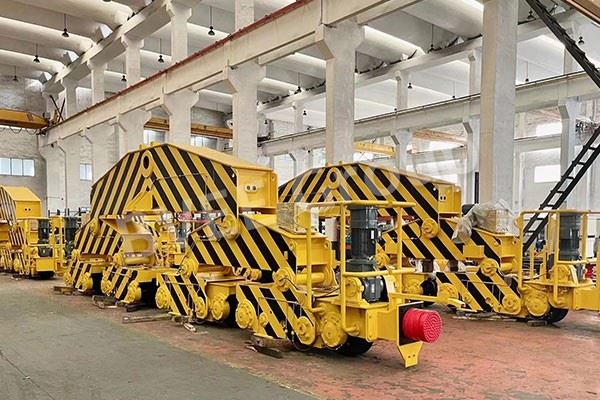
Conclusion
Ensuring an RTG crane complies with safety standards is a multi - faceted process that involves design, manufacturing, training, maintenance, and a strong safety culture. As an RTG crane supplier, we are committed to providing our customers with safe and reliable cranes.
If you are in the market for an Rubber Tyred Gantry Crane or need to upgrade your existing crane, we are here to help. Our team of experts can provide you with the right solutions to meet your safety and operational needs. Contact us today to start a discussion about your requirements and let us work together to ensure a safe and efficient cargo handling operation.
References
- International Maritime Organization (IMO) Guidelines for Safe Operation of Port Cranes.
- American Society of Mechanical Engineers (ASME) Standards for Overhead and Gantry Cranes.
- European Federation of Materials Handling (FEM) Standards for Crane Design and Safety.