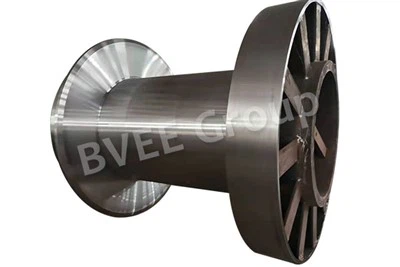
In the bustling world of port operations, the efficiency and adaptability of equipment play a pivotal role in ensuring smooth and productive cargo handling. One such crucial piece of equipment is the port crane spreader. As a leading port crane spreader supplier, I often encounter inquiries about the possibility of customizing these spreaders to meet specific operational needs. In this blog post, I will delve into the topic of whether a port crane spreader can be customized, exploring the factors involved, the benefits of customization, and the process of achieving a tailored solution.
Understanding Port Crane Spreaders
Before we discuss customization, it's essential to have a clear understanding of what a port crane spreader is and its primary functions. A port crane spreader is a device used in container handling operations at ports and terminals. It is attached to the lifting mechanism of a crane and is designed to grip, lift, and transport containers safely and efficiently. Spreaders come in various types, including Headblock Spreader, Hook Beam Spreader, and Port Crane Spreader, each with its own unique features and applications.
The standard port crane spreaders are designed to handle a wide range of container sizes and types, typically ranging from 20 - foot to 40 - foot containers. They are equipped with features such as twistlocks for securing the containers, telescopic arms for adjusting the spreader's width, and various safety mechanisms to ensure reliable operation. However, in some cases, the standard specifications may not fully meet the requirements of a particular port or terminal.
Can a Port Crane Spreader Be Customized?
The short answer is yes, a port crane spreader can be customized. In fact, customization has become an increasingly popular option in the port equipment industry as operators seek to optimize their operations and gain a competitive edge. There are several factors that drive the need for customization, including:
1. Unique Container Sizes and Types
Not all ports handle the same mix of container sizes and types. Some ports may deal with a high volume of non - standard containers, such as 45 - foot or 53 - foot containers, or specialized containers for transporting specific goods like refrigerated cargo or hazardous materials. Customized spreaders can be designed to accommodate these unique container dimensions and requirements, ensuring efficient and safe handling.


2. Specific Operational Requirements
Each port or terminal has its own set of operational requirements based on factors such as the layout of the facility, the type of cranes in use, and the workflow. For example, some ports may require spreaders with a higher lifting capacity to handle heavier containers, while others may need spreaders with a faster opening and closing speed to increase the throughput. Customization allows operators to tailor the spreader's performance characteristics to match their specific operational needs.
3. Compatibility with Existing Equipment
In many cases, ports already have a fleet of cranes and other handling equipment in place. Customized spreaders can be designed to be fully compatible with the existing equipment, ensuring seamless integration and minimizing the need for costly modifications to the crane or other infrastructure.
Benefits of Customizing a Port Crane Spreader
Customizing a port crane spreader offers several significant benefits for port operators:
1. Improved Efficiency
A customized spreader can be optimized for the specific container sizes and types handled at a port, reducing the time and effort required for container handling. This can lead to increased throughput, shorter turnaround times for vessels, and overall improved operational efficiency.
2. Enhanced Safety
By designing a spreader to meet the exact requirements of a particular operation, the risk of accidents and damage to containers can be significantly reduced. Customized spreaders can be equipped with advanced safety features and controls, ensuring reliable and safe operation in all conditions.
3. Cost - Effectiveness
While the initial cost of a customized spreader may be higher than that of a standard spreader, the long - term cost savings can be substantial. A well - designed customized spreader can improve productivity, reduce maintenance costs, and extend the lifespan of the equipment, resulting in a lower total cost of ownership over time.
4. Competitive Advantage
In today's highly competitive port industry, having customized equipment can give operators a competitive edge. By offering faster, more efficient, and safer container handling services, ports can attract more customers and increase their market share.
The Customization Process
The process of customizing a port crane spreader typically involves the following steps:
1. Requirement Analysis
The first step is to conduct a detailed analysis of the port operator's requirements. This includes understanding the types of containers to be handled, the operational environment, the performance expectations, and any specific features or functions that are required. Our team of experts will work closely with the customer to gather all the necessary information and develop a clear understanding of their needs.
2. Design and Engineering
Based on the requirement analysis, our engineering team will design a customized spreader solution. This involves using advanced computer - aided design (CAD) software to create detailed 3D models of the spreader, taking into account factors such as the structural integrity, the mechanical and electrical systems, and the overall functionality. The design will be reviewed and optimized to ensure that it meets all the customer's requirements and complies with relevant industry standards and regulations.
3. Manufacturing and Assembly
Once the design is finalized, the manufacturing process begins. Our state - of - the - art manufacturing facilities are equipped with the latest machinery and technology to ensure high - quality production. The spreader components will be manufactured to the exact specifications of the design, and then assembled and tested to ensure proper operation.
4. Installation and Commissioning
After the spreader is manufactured and tested, it will be shipped to the customer's port and installed on the crane. Our team of technicians will oversee the installation process, ensuring that the spreader is properly aligned and integrated with the crane. Once the installation is complete, we will conduct a comprehensive commissioning process to verify the spreader's performance and functionality.
5. Training and Support
We understand that proper training is essential for the safe and efficient operation of the customized spreader. That's why we offer comprehensive training programs for the port operators' staff, covering topics such as spreader operation, maintenance, and safety procedures. In addition, we provide ongoing technical support to ensure that the spreader continues to perform at its best throughout its lifespan.
Conclusion
In conclusion, a port crane spreader can indeed be customized to meet the specific needs of port operators. Customization offers numerous benefits, including improved efficiency, enhanced safety, cost - effectiveness, and a competitive advantage. As a leading port crane spreader supplier, we have the expertise and experience to design, manufacture, and install customized spreaders that are tailored to the unique requirements of each customer.
If you are interested in learning more about our customized port crane spreader solutions or would like to discuss your specific needs, please do not hesitate to contact us. We look forward to working with you to optimize your port operations and achieve your business goals.
References
- Port Equipment Technology Magazine
- International Association of Ports and Harbors (IAPH) publications
- Industry reports on container handling equipment trends