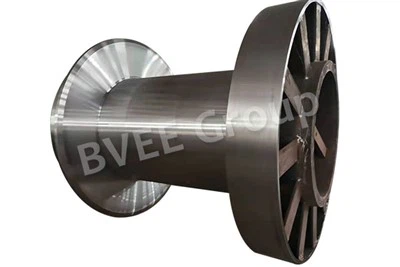
In the realm of mechanical engineering and industrial equipment, understanding the difference between a wheel and a wheel assembly is crucial. As a supplier of wheel assemblies, I've witnessed firsthand the confusion that often arises when these two terms are used interchangeably. In this blog post, I'll delve into the distinctions between a wheel and a wheel assembly, exploring their components, functions, and applications.
What is a Wheel?
A wheel is a simple yet fundamental mechanical device that consists of a circular disk or hoop that rotates around an axle. It is typically made of a single material, such as metal, plastic, or rubber, and is designed to reduce friction and facilitate movement. Wheels are used in a wide range of applications, from transportation vehicles like cars, bicycles, and trains to industrial equipment like conveyor belts, forklifts, and cranes.
The primary function of a wheel is to support the weight of an object and allow it to move smoothly over a surface. By reducing the friction between the object and the surface, wheels make it easier to transport heavy loads and navigate uneven terrain. Additionally, wheels can be used to change the direction of movement, allowing objects to turn and maneuver in different directions.
What is a Wheel Assembly?
A wheel assembly, on the other hand, is a more complex system that consists of a wheel and other components that work together to perform a specific function. In addition to the wheel itself, a wheel assembly may include bearings, hubs, axles, brakes, and other parts that are designed to support the wheel and ensure its proper operation.
The components of a wheel assembly are carefully selected and engineered to meet the specific requirements of the application. For example, in a vehicle wheel assembly, the bearings are designed to reduce friction and allow the wheel to rotate smoothly, while the brakes are used to slow down or stop the vehicle. In an industrial equipment wheel assembly, the hubs and axles are designed to support the weight of the equipment and transmit the power from the motor to the wheel.
Key Differences between a Wheel and a Wheel Assembly
Now that we have a basic understanding of what a wheel and a wheel assembly are, let's take a closer look at the key differences between the two:
1. Complexity
One of the most significant differences between a wheel and a wheel assembly is their complexity. A wheel is a simple, single-component device that consists of a circular disk or hoop that rotates around an axle. In contrast, a wheel assembly is a more complex system that consists of multiple components that work together to perform a specific function.
2. Functionality
Another key difference between a wheel and a wheel assembly is their functionality. A wheel is designed to support the weight of an object and allow it to move smoothly over a surface. While a wheel can perform this function on its own, a wheel assembly is designed to provide additional functionality, such as braking, steering, and power transmission.
3. Application
The application of a wheel and a wheel assembly also differs significantly. Wheels are used in a wide range of applications, from transportation vehicles to industrial equipment. However, wheel assemblies are typically used in more specialized applications that require additional functionality and performance. For example, wheel assemblies are commonly used in heavy-duty vehicles, such as trucks and buses, as well as in industrial equipment, such as cranes and forklifts.
4. Installation
Installing a wheel is a relatively simple process that can be done by anyone with basic mechanical skills. However, installing a wheel assembly is a more complex process that requires specialized tools and knowledge. In many cases, wheel assemblies need to be installed by a professional mechanic or technician to ensure proper installation and operation.
Applications of Wheel Assemblies
As a supplier of wheel assemblies, I've seen firsthand the wide range of applications that wheel assemblies are used in. Here are some of the most common applications of wheel assemblies:
1. Transportation Vehicles
Wheel assemblies are used in a variety of transportation vehicles, including cars, trucks, buses, trains, and airplanes. In these applications, wheel assemblies are designed to provide support, stability, and traction, as well as to transmit power from the engine to the wheels.
2. Industrial Equipment
Wheel assemblies are also widely used in industrial equipment, such as cranes, forklifts, conveyor belts, and automated guided vehicles (AGVs). In these applications, wheel assemblies are designed to support heavy loads, provide precise movement, and withstand harsh operating conditions.


3. Agricultural Equipment
Agricultural equipment, such as tractors, combines, and harvesters, also rely on wheel assemblies to provide support and mobility. In these applications, wheel assemblies are designed to withstand the rigors of farming operations, including rough terrain, heavy loads, and long hours of use.
4. Material Handling Equipment
Material handling equipment, such as pallet jacks, stackers, and order pickers, also use wheel assemblies to move goods and materials around warehouses and distribution centers. In these applications, wheel assemblies are designed to provide smooth, quiet operation, as well as to withstand frequent stops and starts.
Our Wheel Assembly Products
As a leading supplier of wheel assemblies, we offer a wide range of products to meet the needs of various industries and applications. Our wheel assemblies are designed and manufactured to the highest standards of quality and performance, using the latest technology and materials.
Some of our popular wheel assembly products include:
- Port Crane Spare Parts Wheel Assembly: These wheel assemblies are designed for use in port cranes and other heavy-duty lifting equipment. They are built to withstand the harsh operating conditions of port environments, including saltwater corrosion, high winds, and heavy loads.
- Traveling Mechanism Parts: Our traveling mechanism parts are used in a variety of industrial equipment, including cranes, forklifts, and AGVs. They are designed to provide smooth, reliable movement and to withstand the rigors of continuous use.
- Overhead Crane Trolley Wheel Assembly: These wheel assemblies are specifically designed for use in overhead crane trolleys. They are built to provide precise movement, high load capacity, and long service life.
Conclusion
In conclusion, understanding the difference between a wheel and a wheel assembly is essential for anyone involved in the design, manufacture, or use of mechanical equipment. While a wheel is a simple, single-component device that provides basic support and movement, a wheel assembly is a more complex system that provides additional functionality and performance.
As a supplier of wheel assemblies, we are committed to providing our customers with high-quality products that meet their specific needs and requirements. Whether you're in the transportation, industrial, agricultural, or material handling industry, we have the expertise and experience to help you find the right wheel assembly for your application.
If you're interested in learning more about our wheel assembly products or have any questions about our services, please don't hesitate to contact us. We look forward to working with you to meet your wheel assembly needs.
References
- Norton, Robert L. "Machine Design: An Integrated Approach." Pearson, 2012.
- Shigley, Joseph E., and Charles R. Mischke. "Mechanical Engineering Design." McGraw-Hill, 2003.
- Spotts, Milton F., et al. "Design of Machine Elements." Prentice Hall, 2004.