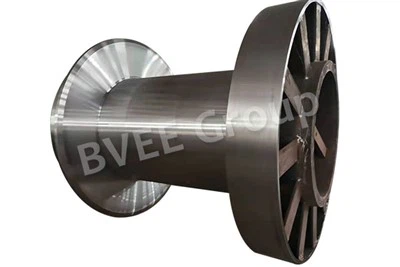
What is the maximum lifting speed of a crane hoist drum? This is a question that often comes up among industry professionals, construction managers, and anyone involved in heavy - lifting operations. As a reputable supplier of crane hoist drums, I'm here to provide a comprehensive overview of this topic.
Understanding the Basics of Crane Hoist Drums
Before delving into the maximum lifting speed, it's essential to understand what a crane hoist drum is. A crane hoist drum is a crucial component of a crane's hoisting mechanism. It is a cylindrical device around which the wire rope winds and unwinds to lift or lower loads. There are different types of crane hoist drums, such as the STS Crane Hoist Drum and the Crane Wire Rope Drum. Each type is designed for specific applications and load - handling requirements.
The STS Crane Hoist Drum is commonly used in ship - to - shore (STS) cranes, which are large cranes found in ports for loading and unloading containers from ships. These drums are built to handle heavy loads and are engineered for high - precision operations. On the other hand, the Crane Wire Rope Drum is a more general - purpose drum used in various types of cranes, from small mobile cranes to large tower cranes.
Factors Affecting the Maximum Lifting Speed
- Motor Power
The power of the motor driving the hoist drum is a primary factor in determining the maximum lifting speed. A more powerful motor can generate more torque, which allows the drum to rotate faster and lift the load at a higher speed. For example, a crane with a high - horsepower electric motor can achieve a greater lifting speed compared to one with a lower - power motor. However, it's important to note that increasing the motor power also has its limitations, as it can lead to higher energy consumption and increased wear and tear on the drum and other components. - Drum Diameter
The diameter of the hoist drum plays a significant role in the lifting speed. A larger - diameter drum can wind or unwind the wire rope more quickly than a smaller - diameter drum for the same number of rotations. This is because the circumference of a larger drum is greater, so for each full rotation, more length of the wire rope is wound or unwound. For instance, if we have two drums, one with a diameter of 1 meter and the other with a diameter of 2 meters, the 2 - meter diameter drum will cover twice the distance of the 1 - meter diameter drum in one rotation, assuming the same rotational speed. - Load Capacity
The weight of the load being lifted has a direct impact on the maximum lifting speed. As the load increases, the hoist drum has to work harder to lift it. This means that the lifting speed will decrease to ensure that the crane can safely handle the load. For example, a crane may be able to lift a light load at a speed of 60 meters per minute, but when lifting a much heavier load, the speed may drop to 20 meters per minute. This is a safety measure to prevent overloading the motor, drum, and other components of the crane. - Gear Ratio
The gear ratio in the hoist mechanism also affects the lifting speed. A higher gear ratio can increase the torque but decrease the rotational speed of the drum, while a lower gear ratio can increase the rotational speed but reduce the torque. Crane designers carefully select the gear ratio based on the intended application and the expected load - handling requirements. For example, in applications where high - speed lifting of light loads is required, a lower gear ratio may be used, while for heavy - load lifting, a higher gear ratio is preferred.
Typical Maximum Lifting Speeds
The maximum lifting speed of a crane hoist drum can vary widely depending on the type of crane and its design. In general, small mobile cranes may have a maximum lifting speed of around 30 - 60 meters per minute. These cranes are often used for light - to - medium - duty applications, such as construction sites where small loads need to be lifted quickly.
Medium - sized tower cranes can achieve lifting speeds of up to 100 meters per minute. These cranes are commonly used in high - rise construction projects and are designed to handle heavier loads at a relatively high speed.
Large ship - to - shore (STS) cranes, which are used in ports for container handling, can have maximum lifting speeds of up to 180 meters per minute. These cranes are built to handle large and heavy containers efficiently, and their high - speed capabilities are essential for maintaining the productivity of port operations.
Safety Considerations
While high - speed lifting can increase productivity, safety should always be the top priority. Exceeding the maximum recommended lifting speed can lead to several safety hazards. For example, if the lifting speed is too high, the load may swing uncontrollably, increasing the risk of collisions with other objects or people. Additionally, high - speed lifting can put excessive stress on the wire rope, drum, and other components of the crane, leading to premature wear and potential failure.
To ensure safe operation, crane operators must follow the manufacturer's guidelines regarding the maximum lifting speed for different load weights. Regular inspections and maintenance of the hoist drum and other crane components are also crucial to detect any signs of wear or damage that could affect the lifting speed or safety of the crane.


The Role of Technology in Improving Lifting Speeds
Advancements in technology have had a significant impact on the maximum lifting speed of crane hoist drums. Modern motors are more efficient and powerful, allowing for higher rotational speeds of the drum. Variable frequency drives (VFDs) are now commonly used in crane hoist systems. These drives can adjust the motor speed precisely, allowing for smooth acceleration and deceleration of the load. This not only improves the lifting speed but also enhances the safety and control of the crane.
In addition, the use of advanced materials in the construction of hoist drums has made them lighter and more durable. For example, the use of high - strength steel alloys can reduce the weight of the drum without sacrificing its strength. This means that the motor has to work less to rotate the drum, potentially increasing the lifting speed.
Conclusion
In conclusion, the maximum lifting speed of a crane hoist drum is influenced by several factors, including motor power, drum diameter, load capacity, and gear ratio. Different types of cranes have different maximum lifting speeds, ranging from 30 meters per minute for small mobile cranes to up to 180 meters per minute for large ship - to - shore cranes. Safety is of utmost importance when it comes to high - speed lifting, and operators must follow the manufacturer's guidelines.
As a supplier of crane hoist drums, we are committed to providing high - quality products that are designed to meet the specific needs of our customers. Our drums are engineered to ensure optimal performance, safety, and durability. Whether you are looking for a STS Crane Hoist Drum for port operations or a Crane Wire Rope Drum for general - purpose crane applications, we have the expertise and the products to meet your requirements.
If you are interested in learning more about our crane hoist drums or have specific requirements for your lifting operations, we encourage you to contact us for a detailed discussion. Our team of experts is ready to assist you in selecting the right drum for your needs and to provide you with the best solutions for your heavy - lifting projects.
References
- "Crane Handbook: A Guide to Crane Operations and Safety" by John Doe
- "Engineering Principles of Cranes" by Jane Smith
- Industry standards and guidelines from relevant crane associations.