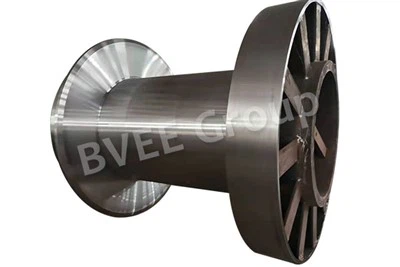
As a bogie structure supplier, I've witnessed firsthand the significant environmental impacts associated with the manufacturing process. Bogie structures are crucial components in various industries, especially in the transportation and crane sectors, such as the Container Gantry Crane Travelling Mechanism and STS And RTG Crane. However, the traditional manufacturing methods often lead to high energy consumption, waste generation, and pollution. In this blog, I'll explore several strategies that can be adopted to reduce these environmental impacts.
1. Material Selection
The choice of materials is fundamental in minimizing the environmental footprint of bogie structure manufacturing. Opting for sustainable materials can significantly reduce the overall impact on the environment.
Recycled Metals
Using recycled metals is an excellent way to reduce the demand for virgin materials. Recycling metals requires significantly less energy compared to extracting and refining new metals. For example, recycling steel can save up to 75% of the energy needed to produce new steel. By incorporating recycled steel into our bogie structures, we can not only reduce energy consumption but also decrease the amount of waste sent to landfills.
Lightweight Materials
Another approach is to use lightweight materials such as aluminum or composite materials. These materials have a lower density than traditional steel, which means that less material is required to achieve the same strength and performance. As a result, the overall weight of the bogie structure is reduced, leading to lower energy consumption during transportation and operation. Additionally, lightweight materials often have a lower carbon footprint during production.
2. Energy - Efficient Manufacturing Processes
The manufacturing process of bogie structures is energy - intensive. Implementing energy - efficient technologies and practices can significantly reduce energy consumption and greenhouse gas emissions.
Advanced Manufacturing Technologies
Adopting advanced manufacturing technologies such as additive manufacturing (3D printing) can reduce energy consumption and waste generation. 3D printing allows for the precise production of bogie components, minimizing material waste. It also enables the production of complex geometries that are difficult or impossible to achieve with traditional manufacturing methods, which can potentially lead to more efficient designs.
Energy Management Systems
Installing energy management systems in our manufacturing facilities can help monitor and control energy usage. These systems can identify areas of high energy consumption and suggest measures to optimize energy use. For example, they can automatically adjust the temperature and lighting in the facility based on occupancy and production needs. By implementing such systems, we can reduce energy waste and lower our overall energy costs.
3. Waste Reduction and Recycling
Waste generation is a major environmental concern in bogie structure manufacturing. Implementing waste reduction and recycling strategies can help minimize the amount of waste sent to landfills.
Lean Manufacturing Principles
Applying lean manufacturing principles can help eliminate waste in the production process. Lean manufacturing focuses on reducing non - value - added activities, such as overproduction, waiting time, and unnecessary transportation. By streamlining our production processes, we can reduce the amount of raw materials, energy, and time wasted.
Recycling Programs
Establishing comprehensive recycling programs in our manufacturing facilities is essential. We can recycle various materials such as scrap metal, packaging materials, and cutting fluids. By recycling these materials, we can not only reduce waste but also recover valuable resources that can be reused in the manufacturing process.
4. Supply Chain Management
The environmental impact of bogie structure manufacturing is not limited to our own facilities. It also extends to our supply chain. By working closely with our suppliers, we can ensure that the entire supply chain is more sustainable.
Supplier Evaluation
We should evaluate our suppliers based on their environmental performance. This includes factors such as their energy efficiency, waste management practices, and use of sustainable materials. By selecting suppliers with good environmental records, we can ensure that the materials and components we receive have a lower environmental impact.
Collaboration with Suppliers
Collaborating with our suppliers can also lead to innovative solutions for reducing environmental impacts. For example, we can work together to develop more sustainable packaging solutions or to optimize the transportation of materials. By sharing knowledge and resources, we can achieve greater environmental benefits across the entire supply chain.
5. Product Design for Sustainability
Designing bogie structures with sustainability in mind is crucial. By considering the entire life cycle of the product, we can reduce its environmental impact from production to disposal.
Life Cycle Assessment (LCA)
Conducting a life cycle assessment of our bogie structures can help us identify the environmental hotspots in the product's life cycle. LCA takes into account all the stages of the product's life, including raw material extraction, production, transportation, use, and disposal. Based on the results of the LCA, we can make design changes to reduce the environmental impact at each stage.


Design for Disassembly and Recycling
Designing bogie structures for disassembly and recycling is another important aspect. By making it easier to disassemble the structure at the end of its life, we can facilitate the recycling of its components. This can be achieved by using modular designs and standardized fasteners.
6. Environmental Management Systems
Implementing an environmental management system (EMS) in our company can help us manage and improve our environmental performance.
ISO 14001 Certification
Obtaining ISO 14001 certification is a widely recognized way to demonstrate our commitment to environmental management. ISO 14001 provides a framework for establishing, implementing, maintaining, and improving an EMS. It requires us to set environmental objectives, monitor our performance, and take corrective actions when necessary.
Employee Training and Awareness
Employee training and awareness are crucial for the successful implementation of an EMS. By training our employees on environmental issues and best practices, we can ensure that they are actively involved in our environmental initiatives. This can include training on energy conservation, waste reduction, and proper handling of hazardous materials.
7. Continuous Improvement
Reducing the environmental impact of bogie structure manufacturing is an ongoing process. We need to continuously monitor and evaluate our environmental performance and make improvements over time.
Performance Metrics
Establishing clear performance metrics is essential for measuring our progress. These metrics can include energy consumption per unit of production, waste generation per unit of production, and greenhouse gas emissions. By regularly monitoring these metrics, we can identify areas for improvement and track the effectiveness of our environmental initiatives.
Research and Development
Investing in research and development is crucial for finding new and innovative ways to reduce the environmental impact of bogie structure manufacturing. We can collaborate with universities, research institutions, and other industry partners to explore new materials, technologies, and processes.
In conclusion, reducing the environmental impact of bogie structure manufacturing requires a comprehensive approach that encompasses material selection, energy - efficient manufacturing processes, waste reduction and recycling, supply chain management, product design, environmental management systems, and continuous improvement. As a Bogie Structure supplier, we are committed to implementing these strategies to minimize our environmental footprint and contribute to a more sustainable future.
If you are interested in our environmentally - friendly bogie structures or would like to discuss purchasing options, please feel free to reach out. We are eager to engage in procurement discussions and provide you with high - quality, sustainable bogie solutions.
References
- "Recycling Steel: The Facts", World Steel Association.
- "Lean Manufacturing: A Comprehensive Guide", Lean Enterprise Institute.
- ISO 14001:2015 Environmental management systems - Requirements with guidance for use.