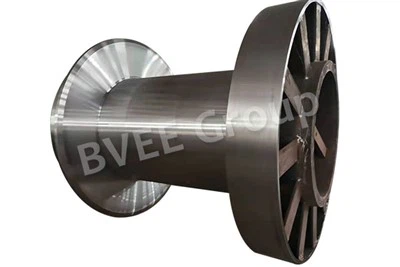
Hey there! As a supplier of port crane spreaders, I've seen firsthand how these nifty pieces of equipment play a crucial role in ports with complex container flows. So, let's dive into how a port crane spreader works in such a challenging environment.

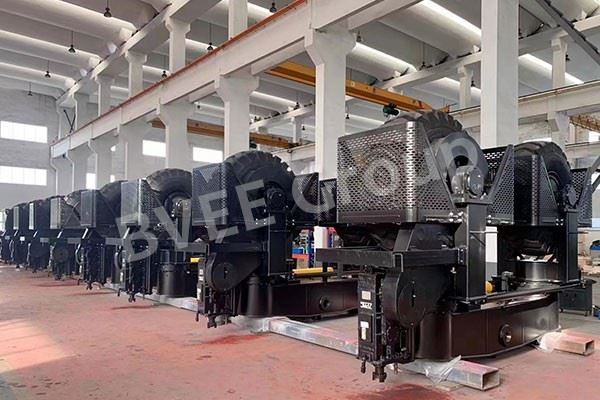
First off, what exactly is a port crane spreader? Well, it's a device attached to the end of a crane that's used to lift and move shipping containers. Think of it as the hand of the crane, grabbing and holding those massive containers securely. There are different types of spreaders out there, like the Hook Beam Spreader, Port Crane Spreader, and Headblock Spreader. Each type has its own unique features and functions, but they all serve the same basic purpose: to make container handling as efficient as possible.
Now, let's talk about how these spreaders operate in a port with a complex container flow. In such a port, there are often a large number of containers coming in and going out at all times, from different ships and going to different destinations. This means that the spreaders need to be able to quickly and accurately pick up and place containers in the right spots.
The process usually starts with the crane operator positioning the spreader over the container. The spreader is designed to align with the corner castings of the container, which are the metal fittings at the corners of the container. Once the spreader is in position, it uses a system of locks to secure itself to the container. These locks can be either mechanical or hydraulic, depending on the type of spreader.
Once the spreader is locked onto the container, the crane operator can then lift the container off the ground or out of the ship's hold. The spreader is designed to distribute the weight of the container evenly, so that it can be lifted safely and without causing any damage. As the container is being lifted, the spreader may also need to be adjusted to ensure that it remains level and stable.
Once the container is in the air, the crane operator can then move it to its destination. This could be a storage area in the port, a truck or train for transportation, or another ship. The spreader needs to be able to rotate and tilt, so that it can place the container in the right position. This is especially important when dealing with containers that are stacked on top of each other or in tight spaces.
In a port with a complex container flow, the spreaders also need to be able to work quickly. This means that they need to be able to pick up and place containers in a matter of seconds. To achieve this, many spreaders are equipped with advanced automation systems that can help to speed up the process. These systems can include things like sensors that detect the position of the container, and computerized controls that can adjust the spreader's locks and movements automatically.
Another important factor in a port with a complex container flow is safety. The spreaders need to be designed and operated in a way that minimizes the risk of accidents. This means that they need to be regularly maintained and inspected to ensure that they are in good working condition. The crane operators also need to be properly trained and certified to operate the spreaders safely.
So, there you have it! That's a basic overview of how a port crane spreader works in a port with a complex container flow. As a supplier of these spreaders, we understand the importance of providing high-quality products that are reliable, efficient, and safe. If you're in the market for a port crane spreader, or if you have any questions about how our spreaders work, please don't hesitate to get in touch. We'd be happy to discuss your needs and provide you with a quote.
In conclusion, port crane spreaders are an essential part of any port with a complex container flow. They play a crucial role in ensuring that containers can be handled quickly, efficiently, and safely. By understanding how these spreaders work, you can make informed decisions about which type of spreader is right for your port. So, if you're looking to improve your container handling operations, consider investing in a high-quality port crane spreader from a reputable supplier.
References:
- Port Container Handling Equipment: A Comprehensive Guide
- Container Terminal Operations and Management
- Crane Technology and Safety Standards