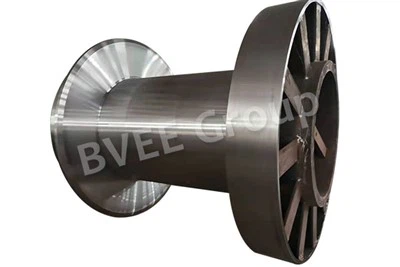
In the realm of railway engineering, the quest for enhanced passenger comfort has always been a top priority. Among the numerous factors that contribute to a smooth and pleasant ride, the bogie structure stands out as a crucial element. As a leading bogie structure supplier, I have witnessed firsthand how the design and performance of bogies can significantly impact the ride comfort of passengers. In this blog post, I will delve into the intricate relationship between bogie structure and ride comfort, exploring the key aspects that make a difference.
Understanding the Bogie Structure
Before we can understand how bogie structure affects ride comfort, it's essential to have a basic understanding of what a bogie is. A bogie is a framework that supports the wheels and axles of a railway vehicle. It is typically located beneath the car body and is responsible for providing stability, guidance, and shock absorption during the train's movement. Bogie Structure
The bogie structure consists of several components, including the frame, wheelsets, suspension system, and braking system. Each of these components plays a vital role in ensuring the safe and comfortable operation of the train. The frame provides the structural support for the bogie, while the wheelsets are responsible for transmitting the weight of the train to the tracks. The suspension system helps to absorb shocks and vibrations, while the braking system allows the train to stop safely.
Impact of Bogie Structure on Ride Comfort
The design and performance of the bogie structure can have a significant impact on the ride comfort of passengers. Here are some of the key ways in which the bogie structure affects ride comfort:
1. Vibration and Noise Reduction
One of the primary ways in which the bogie structure affects ride comfort is by reducing vibration and noise. When a train moves along the tracks, it generates vibrations and noise due to the interaction between the wheels and the rails. These vibrations and noise can be transmitted to the car body, causing discomfort to passengers.
A well-designed bogie structure can help to reduce vibration and noise by incorporating features such as elastic elements in the suspension system. These elastic elements can absorb and dampen the vibrations, preventing them from being transmitted to the car body. Additionally, the use of noise-reducing materials in the bogie structure can help to minimize the noise generated by the train.


2. Stability and Smoothness
Another important aspect of ride comfort is the stability and smoothness of the train's movement. A bogie structure that provides good stability and smoothness can help to reduce the lateral and vertical movements of the train, making the ride more comfortable for passengers.
The design of the bogie frame and the suspension system plays a crucial role in ensuring the stability and smoothness of the train. A rigid and well-designed bogie frame can help to maintain the alignment of the wheelsets, reducing the lateral movements of the train. The suspension system, on the other hand, can help to absorb shocks and vibrations, providing a smooth ride.
3. Curving Performance
The ability of the train to negotiate curves smoothly is also an important factor in ride comfort. A bogie structure that is designed to provide good curving performance can help to reduce the lateral forces acting on the train, making the ride more comfortable for passengers.
The design of the wheelsets and the suspension system can have a significant impact on the curving performance of the train. Wheelsets with a suitable profile can help to reduce the lateral forces acting on the train during curves, while the suspension system can help to maintain the stability of the train.
4. Passenger Safety
In addition to ride comfort, the bogie structure also plays a crucial role in ensuring the safety of passengers. A well-designed bogie structure can help to prevent derailments and other accidents, providing a safe and reliable transportation experience.
The braking system is one of the most important safety features of the bogie structure. A reliable and efficient braking system can help to stop the train safely in case of an emergency. Additionally, the design of the bogie frame and the suspension system can help to ensure the stability of the train, reducing the risk of derailments.
Our Bogie Structure Solutions
As a leading bogie structure supplier, we understand the importance of providing high-quality bogie structures that meet the needs of our customers. Our bogie structures are designed and manufactured using the latest technology and materials, ensuring optimal performance and reliability.
We offer a wide range of bogie structures for different types of railway vehicles, including high-speed trains, commuter trains, and freight trains. Our bogie structures are designed to provide excellent vibration and noise reduction, stability and smoothness, curving performance, and passenger safety.
In addition to our standard bogie structures, we also offer customized solutions to meet the specific requirements of our customers. Our team of experienced engineers and designers can work closely with you to develop a bogie structure that is tailored to your needs.
Conclusion
In conclusion, the bogie structure plays a crucial role in the ride comfort of passengers. A well-designed bogie structure can help to reduce vibration and noise, provide stability and smoothness, improve curving performance, and ensure passenger safety. As a leading bogie structure supplier, we are committed to providing high-quality bogie structures that meet the needs of our customers.
If you are interested in learning more about our bogie structure solutions or would like to discuss your specific requirements, please contact us. We look forward to the opportunity to work with you and provide you with the best bogie structure solutions for your railway vehicles.
References
- UIC Code 518 - Calculation of the dynamic performance of railway vehicles and their acceptance.
- EN 12663 - Railway applications - Structural requirements of railway vehicle bodies.
- Hunt, H. E. (1979). The dynamics of vehicles on roads and rails. Cambridge University Press.