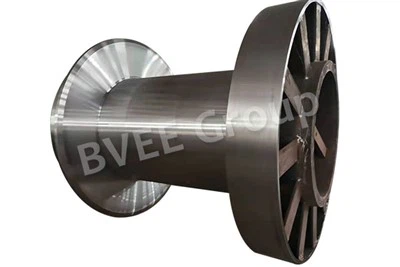
Hey there! As a supplier of hook beam spreaders, I know how important it is to keep these pieces of equipment in top - notch condition. A clean hook beam spreader not only looks good but also performs better and lasts longer. So, today I'm gonna share with you some tips on how to clean a hook beam spreader.
First off, let's talk about why cleaning is so crucial. Hook beam spreaders are often used in harsh industrial environments, like ports and shipping yards. They're exposed to all sorts of dirt, grime, saltwater (if they're used near the sea), and other contaminants. If you don't clean them regularly, these substances can cause corrosion, which weakens the structure of the spreader. And that's a big no - no, as it can lead to safety issues and costly repairs down the line.
Pre - cleaning Preparation
Before you start the actual cleaning process, there are a few things you need to do. First, make sure the spreader is turned off and disconnected from any power sources. Safety should always be your top priority. You don't want any accidental starts while you're cleaning.
Next, gather all the necessary cleaning tools and supplies. You'll need a good quality industrial - strength cleaner. Look for one that's specifically designed to remove grease, oil, and dirt. A couple of stiff - bristled brushes, both large and small, will come in handy. The large one can be used for the big surfaces, and the small one for getting into tight spots. You'll also need some clean rags or towels for drying and wiping down the spreader.
Cleaning the Exterior
Let's start with the exterior of the hook beam spreader. Begin by using a dry brush to remove any loose dirt, dust, or debris. This step will make the subsequent cleaning process much easier. Just gently brush the entire surface of the spreader, paying special attention to areas where dirt tends to accumulate, like the corners and edges.
Once you've removed the loose stuff, it's time to apply the cleaner. Follow the instructions on the cleaner's label. Usually, you'll need to dilute it with water in a bucket. Then, use a sponge or a large brush to apply the cleaner to the spreader's surface. Make sure to cover all areas, including the beams, hooks, and any attachment points.
Let the cleaner sit on the surface for a few minutes. This allows it to break down the stubborn dirt and grime. While it's sitting, you can start scrubbing the areas with the stiff - bristled brushes. Apply some pressure, but be careful not to damage the surface of the spreader. For those hard - to - reach spots, use the small brush.
After scrubbing, rinse the spreader thoroughly with clean water. You can use a hose for this, but make sure the water pressure isn't too high, as it could damage some of the components. Keep rinsing until all the cleaner and dirt are gone.
Cleaning the Hooks
The hooks are a critical part of the hook beam spreader, so they need special attention. First, use a brush to clean the inside of the hooks. There can be a lot of dirt and debris trapped in there, which can affect the hook's performance.

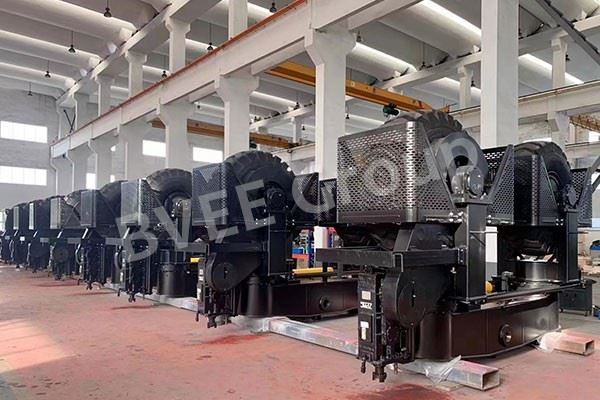
If there's any rust on the hooks, you can use a rust remover. Apply it according to the instructions on the product. After removing the rust, make sure to rinse the hooks well and dry them completely. A rusty hook can not only reduce its strength but also cause damage to the loads it's carrying.
Cleaning the Moving Parts
Hook beam spreaders have several moving parts, such as hinges and joints. These parts need to be cleaned and lubricated regularly. Start by removing any visible dirt or debris from the moving parts using a brush.
Then, apply a suitable lubricant. There are many types of lubricants available, so choose one that's recommended for the specific type of spreader you have. Lubrication helps to reduce friction, which in turn extends the life of the moving parts and ensures smooth operation.
Drying and Inspection
Once you've finished cleaning all the parts of the hook beam spreader, it's time to dry it. Use clean rags or towels to wipe down the entire spreader. Make sure to get into all the nooks and crannies to remove any remaining moisture. Moisture can lead to rust and corrosion, so it's important to dry the spreader thoroughly.
After drying, conduct a thorough inspection. Check for any signs of damage, such as cracks, dents, or loose parts. If you notice anything suspicious, it's best to have a professional take a look at it.
Maintaining a Cleaning Schedule
To keep your hook beam spreader in great condition, it's important to establish a regular cleaning schedule. How often you clean it depends on how frequently it's used and the environment it's used in. If it's used in a very dirty or corrosive environment, you might need to clean it every few weeks. For less harsh environments, monthly cleaning might be sufficient.
Other Related Spreaders
If you're interested in other types of spreaders, we also offer Headblock Spreader and Port Crane Spreader. These spreaders are also high - quality products that can meet different industrial needs. And of course, our Hook Beam Spreader is designed to be durable and efficient.
Contact for Purchase
If you're in the market for a hook beam spreader or have any questions about cleaning or maintenance, don't hesitate to reach out. We're here to help you make the right choice for your business. Whether you need a new spreader or want to optimize the performance of your existing one, we've got you covered.
References
- Industrial Cleaning Handbook: A Guide to Effective Cleaning in Industrial Environments
- Spreader Maintenance Manuals from Leading Manufacturers