Hey there! As a supplier of STS and RTG cranes, I often get asked about all sorts of technical details. One question that pops up quite a bit is, "What is the hoisting height of an STS crane?" Well, let's dig into this topic and break it down.
First off, let me give you a quick intro to STS cranes. STS stands for Ship - to - Shore crane, and these bad boys are the workhorses of container terminals. They're huge, powerful machines that are used to load and unload containers from ships. STS And RTG Crane These cranes are essential for the smooth operation of any busy port.
Now, back to the hoisting height. The hoisting height of an STS crane refers to the vertical distance that the crane can lift a container. It's a crucial specification because it determines the types of ships the crane can handle and how many layers of containers it can stack on the quay or in the yard.
There are a few factors that influence the hoisting height of an STS crane. One of the main factors is the design of the crane itself. Different models of STS cranes are built with different hoisting heights in mind. Some cranes are designed for smaller ports or ships with fewer container layers, while others are built for large - scale operations where they need to handle massive container ships with many layers of containers.


The type of ships that the crane will be serving also plays a big role. Modern container ships are getting bigger and bigger, with more and more containers stacked on board. To be able to reach the topmost containers on these large ships, the STS crane needs to have a sufficient hoisting height. For example, a crane serving a Panamax - size ship might have a different hoisting height requirement compared to one serving a Ultra - Large Container Vessel (ULCV).
Another factor is the layout of the container terminal. If the terminal has a high - density stacking system, the crane needs to be able to lift containers to a greater height to stack them on top of each other. On the other hand, if the terminal has a more spread - out layout, the hoisting height requirement might be lower.
So, what are the typical hoisting heights for STS cranes? Well, it can vary quite a bit. In general, hoisting heights for STS cranes can range from around 20 meters to over 50 meters. Smaller STS cranes, which are often used in regional or smaller ports, might have a hoisting height of around 20 - 30 meters. These cranes are suitable for handling smaller ships and fewer layers of containers.
Medium - sized STS cranes usually have a hoisting height in the range of 30 - 40 meters. They can handle a wider variety of ships and are more commonly found in medium - sized container terminals.
For large - scale container terminals that serve the biggest container ships in the world, you'll often find STS cranes with hoisting heights of 40 meters or more. Some of the most advanced STS cranes can even have hoisting heights of over 50 meters, allowing them to reach the topmost containers on the largest ULCVs.
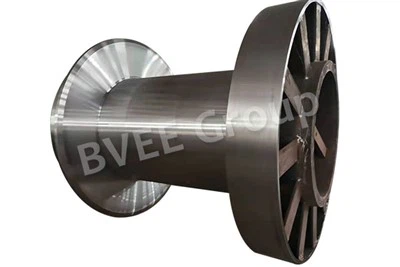
Now, let's talk a bit about how the hoisting mechanism works in an STS crane. The hoisting mechanism is responsible for lifting and lowering the container. It usually consists of a wire rope system, a hoist motor, and a set of pulleys. The wire rope is wound around a drum, and when the hoist motor rotates, it either winds or unwinds the wire rope, causing the container to be lifted or lowered.
The Container Gantry Crane Travelling Mechanism also plays an important role in the overall operation of the STS crane. This mechanism allows the crane to move along the quay, positioning itself over the ship or the container stack. It's designed to be stable and reliable, ensuring smooth and efficient operation.
The Bogie Structure is another key component of the STS crane. The bogies are the wheels or axles that support the crane and allow it to move. They need to be strong enough to carry the heavy load of the crane and the container, and they also need to be designed for smooth movement.
When it comes to choosing the right hoisting height for an STS crane, it's important to consider the specific needs of your container terminal. You need to think about the types of ships you'll be serving, the layout of your terminal, and your future expansion plans. If you're not sure, it's always a good idea to consult with an expert in the field.
As a supplier of STS and RTG cranes, we have a wide range of cranes with different hoisting heights to meet your specific requirements. Whether you're a small - scale port looking for a cost - effective solution or a large - scale terminal in need of a high - performance crane, we've got you covered.
If you're in the market for an STS or RTG crane, or if you just want to learn more about our products, don't hesitate to reach out. We're here to help you make the right choice for your business. Our team of experts can provide you with all the information you need and guide you through the purchasing process.
In conclusion, the hoisting height of an STS crane is a critical specification that can have a big impact on the efficiency and productivity of your container terminal. By understanding the factors that influence hoisting height and choosing the right crane for your needs, you can ensure that your terminal operates smoothly and effectively.
References
- Industry reports on container terminal equipment
- Technical specifications of STS and RTG cranes from leading manufacturers