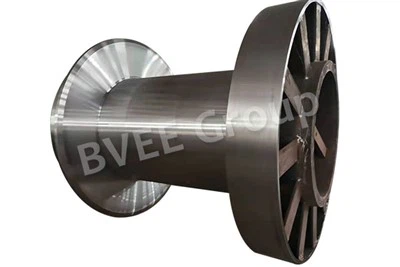
Ensuring the proper tensioning of a crane sheave in a system is crucial for the safe and efficient operation of cranes. As a crane sheave supplier, I understand the significance of this process and the impact it has on the overall performance of the lifting equipment. In this blog, I will share some key insights and practical tips on how to ensure the proper tensioning of a crane sheave.
Understanding the Importance of Proper Tensioning
Before delving into the methods of tensioning, it's essential to understand why proper tensioning is so important. A crane sheave is a grooved wheel that is used to guide and support the hoist rope. When the sheave is not properly tensioned, several problems can occur.

Firstly, improper tension can lead to uneven wear on the sheave and the rope. This uneven wear can significantly reduce the lifespan of both the sheave and the rope, increasing maintenance costs and the risk of equipment failure. Secondly, incorrect tension can cause the rope to slip or jump out of the sheave groove, which is extremely dangerous and can lead to accidents. Additionally, proper tension is necessary to ensure the smooth operation of the crane, allowing for accurate lifting and positioning of loads.
Factors Affecting Sheave Tension
Several factors can affect the tension of a crane sheave. These include the type and size of the sheave, the weight and nature of the load being lifted, the speed of operation, and the environmental conditions.
The type and size of the sheave play a crucial role in determining the appropriate tension. Different sheaves are designed to handle different loads and rope sizes, and using the wrong sheave can lead to improper tension. For example, a sheave that is too small for the rope may cause excessive tension, while a sheave that is too large may result in insufficient tension.
The weight and nature of the load being lifted also impact the sheave tension. Heavier loads require higher tension to ensure the stability and safety of the lifting operation. Moreover, the dynamic forces generated during the lifting and lowering of the load can cause fluctuations in the tension, which need to be carefully managed.
The speed of operation is another important factor. Higher speeds can generate greater centrifugal forces, which can affect the tension in the rope and the sheave. Therefore, the tension needs to be adjusted according to the operating speed of the crane.
Environmental conditions, such as temperature, humidity, and the presence of dust or debris, can also influence the sheave tension. Extreme temperatures can cause the rope and the sheave to expand or contract, altering the tension. Dust and debris can accumulate in the sheave groove, affecting the smooth movement of the rope and potentially changing the tension.
Methods of Tensioning a Crane Sheave
There are several methods that can be used to ensure the proper tensioning of a crane sheave. These methods can be broadly classified into manual and automatic tensioning systems.
Manual Tensioning
Manual tensioning is the most basic method of adjusting the sheave tension. It involves using simple tools, such as wrenches or tension gauges, to adjust the tension in the rope. This method is relatively inexpensive and easy to implement, but it requires regular monitoring and adjustment to ensure that the tension remains within the acceptable range.
To manually tension a crane sheave, the following steps can be followed:
- Inspect the Sheave and Rope: Before adjusting the tension, it's important to inspect the sheave and the rope for any signs of wear, damage, or misalignment. Replace any worn or damaged components as necessary.
- Determine the Appropriate Tension: Refer to the manufacturer's specifications or guidelines to determine the recommended tension for the specific sheave and rope combination. This information can usually be found in the crane's operation and maintenance manual.
- Adjust the Tension: Use a tension gauge to measure the current tension in the rope. If the tension is too low, tighten the rope by adjusting the tensioning device, such as a turnbuckle or a tensioning bolt. If the tension is too high, loosen the rope accordingly.
- Verify the Tension: After making the adjustment, re - measure the tension using the tension gauge to ensure that it is within the recommended range. Make further adjustments if necessary.
Automatic Tensioning Systems
Automatic tensioning systems are more advanced and sophisticated than manual tensioning methods. These systems use sensors and actuators to continuously monitor and adjust the sheave tension in real - time. They are particularly useful in applications where the load, speed, or environmental conditions vary frequently.
Automatic tensioning systems can be hydraulic, pneumatic, or electric. Hydraulic tensioning systems use hydraulic cylinders to apply and adjust the tension in the rope. Pneumatic systems use compressed air to perform the same function, while electric systems use motors and controllers.
The advantages of automatic tensioning systems include greater accuracy, less maintenance, and improved safety. They can quickly respond to changes in the load or operating conditions, ensuring that the sheave tension remains constant at all times. However, they are generally more expensive to install and maintain than manual tensioning systems.
Regular Maintenance and Inspection
Regardless of the tensioning method used, regular maintenance and inspection are essential to ensure the proper tensioning of a crane sheave. Maintenance should include cleaning the sheave and the rope, lubricating the moving parts, and checking for any signs of wear or damage.
Inspections should be carried out at regular intervals, preferably before each use of the crane. During the inspection, the tension in the rope should be measured, and the sheave should be checked for proper alignment and smooth operation. Any issues detected during the inspection should be addressed immediately to prevent further damage and ensure the safety of the lifting operation.
Choosing the Right Crane Sheave
As a crane sheave supplier, I recommend choosing the right sheave for your specific application. Our Full Forging Sheave is a high - quality option that offers excellent performance and durability. Full forging sheaves are made from high - strength materials through a forging process, which results in a more uniform and dense structure. This makes them more resistant to wear, fatigue, and impact, ensuring a longer service life and reliable operation.
When selecting a crane sheave, consider the following factors:
- Load Capacity: Choose a sheave that is rated to handle the maximum load that your crane will be lifting.
- Rope Size: Ensure that the sheave groove size is compatible with the diameter of the rope you are using.
- Operating Conditions: Consider the environmental conditions, such as temperature, humidity, and dust, in which the crane will be operating. Select a sheave that is suitable for these conditions.
Conclusion
Ensuring the proper tensioning of a crane sheave is a critical aspect of crane operation. By understanding the factors that affect sheave tension, using the appropriate tensioning methods, and conducting regular maintenance and inspection, you can ensure the safe and efficient operation of your crane.
As a crane sheave supplier, we are committed to providing high - quality sheaves and comprehensive support to our customers. If you are in the market for a crane sheave or need advice on sheave tensioning, please feel free to contact us for procurement and further discussions. We look forward to working with you to meet your crane sheave needs.
References
- Crane Manufacturer's Operation and Maintenance Manuals
- Industry Standards for Crane Sheave Design and Operation
- Technical Papers on Crane Sheave Tensioning and Maintenance