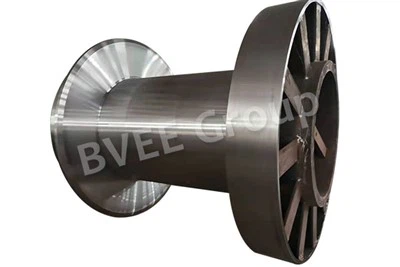
Adjusting the tension of a wire rope on a sheave is a critical task that directly impacts the performance, safety, and longevity of the entire lifting or conveying system. As a trusted wire rope sheave supplier, I've witnessed firsthand the importance of proper tension adjustment in various industrial applications. In this blog, I'll share some practical insights and steps on how to effectively adjust the tension of a wire rope on a sheave.
Understanding the Importance of Wire Rope Tension
Before delving into the adjustment process, it's essential to understand why proper tension is crucial. Incorrect wire rope tension can lead to a range of issues, including premature wear and tear of the rope and sheave, reduced efficiency of the system, and even safety hazards. Over - tensioned ropes can cause excessive stress on the sheave, leading to cracks and failure. On the other hand, under - tensioned ropes may slip on the sheave, resulting in erratic movement and potential load dropping.
Tools Required for Tension Adjustment
To adjust the tension of a wire rope on a sheave, you'll need a few essential tools:


- Tension gauge: This tool measures the tension in the wire rope accurately. There are different types of tension gauges available, such as spring - loaded and digital gauges.
- Wrenches and sockets: These are used to loosen or tighten the fasteners on the tensioning device.
- Safety equipment: Safety glasses, gloves, and appropriate footwear are necessary to protect yourself during the adjustment process.
Step - by - Step Guide to Adjusting Wire Rope Tension
Step 1: Inspect the Sheave and Wire Rope
Before making any adjustments, conduct a thorough inspection of the sheave and wire rope. Look for signs of wear, damage, or corrosion on the sheave grooves and the wire rope. If there are any issues, address them before proceeding with the tension adjustment. For example, if the sheave grooves are worn beyond the recommended limits, it may be necessary to replace the sheave. You can explore our Welding Sheave and Hot Rolling Crane Sheave options for high - quality replacement sheaves.
Step 2: Determine the Ideal Tension
The ideal tension for a wire rope on a sheave depends on several factors, including the type of application, the weight of the load, and the length of the rope. Consult the manufacturer's specifications or engineering guidelines to determine the recommended tension for your specific system. In some cases, you may need to calculate the tension based on the mechanical properties of the wire rope and the sheave.
Step 3: Measure the Current Tension
Use a tension gauge to measure the current tension in the wire rope. Follow the manufacturer's instructions for using the tension gauge correctly. Make sure the gauge is properly positioned on the rope and that the measurement is taken at a straight section of the rope away from the sheave.
Step 4: Adjust the Tensioning Device
If the measured tension is different from the ideal tension, you'll need to adjust the tensioning device. The tensioning device can be a screw - type adjuster, a hydraulic cylinder, or a spring - loaded mechanism. Use the appropriate wrenches or sockets to loosen or tighten the fasteners on the tensioning device. Make small adjustments at a time and re - measure the tension after each adjustment.
Step 5: Check for Uniform Tension
Once you've adjusted the tension, check the entire length of the wire rope to ensure that the tension is uniform. Uneven tension can cause the rope to wear unevenly and may lead to premature failure. If you notice any areas of high or low tension, make further adjustments as needed.
Step 6: Re - inspect the System
After adjusting the tension and ensuring uniform tension, re - inspect the entire system. Check the sheave for proper alignment and the wire rope for any signs of misalignment or binding. Make sure all fasteners are tightened securely and that the safety devices are functioning properly.
Special Considerations for Different Types of Sheaves
Catenary Trolley Rope Tensioner Device
In systems that use a Catenary Trolley Rope Tensioner Device, the tension adjustment process may be slightly different. These devices are designed to maintain a constant tension in the wire rope as the trolley moves along the track. When adjusting the tension, follow the manufacturer's instructions for the specific catenary trolley rope tensioner device. Typically, you'll need to adjust the spring or counterweight to achieve the desired tension.
High - Speed Sheaves
For high - speed sheaves, it's crucial to ensure that the wire rope tension is set correctly to prevent vibration and noise. High - speed applications place additional stress on the wire rope and sheave, so it's important to use high - quality components and follow strict maintenance schedules. Consult with an engineer or a technical expert if you're unsure about the tension requirements for high - speed sheaves.
Regular Maintenance and Monitoring
Adjusting the wire rope tension is not a one - time task. Regular maintenance and monitoring are essential to ensure that the tension remains within the recommended limits. Set up a maintenance schedule to inspect the wire rope and sheave regularly, measure the tension, and make any necessary adjustments. Keep a record of the tension measurements and maintenance activities to track the performance of the system over time.
Conclusion
Properly adjusting the tension of a wire rope on a sheave is a crucial aspect of maintaining a safe and efficient lifting or conveying system. By following the steps outlined in this blog and using the right tools and techniques, you can ensure that your wire rope and sheave operate at their best. As a wire rope sheave supplier, we're committed to providing high - quality products and technical support to help you achieve optimal performance. If you have any questions about wire rope tension adjustment or need to purchase sheaves, feel free to contact us for procurement and further discussions.
References
- "Wire Rope Handbook" - A comprehensive guide to wire rope selection, installation, and maintenance.
- Manufacturer's specifications for wire ropes and sheaves.
- Engineering standards and guidelines for lifting and conveying systems.