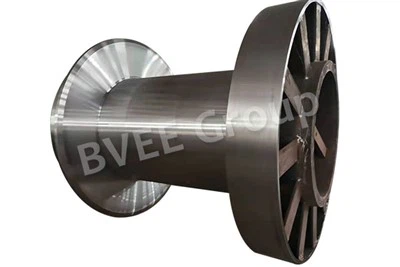
As a trusted supplier of headblock spreaders, I understand the importance of sharing best practices to ensure our customers can maximize the efficiency and safety of these essential tools. In this blog, I'll delve into the key aspects of using a headblock spreader effectively, drawing on my years of experience in the industry.
Pre - operation Checks
Before using a headblock spreader, a series of thorough pre - operation checks are crucial. First, visually inspect the spreader for any signs of physical damage such as cracks, bent parts, or worn - out components. Pay special attention to the lifting points and the connection mechanisms. Ensure that all bolts and nuts are properly tightened. Loose fasteners can lead to instability during the lifting process, posing a significant safety risk.
Next, check the hydraulic system if your headblock spreader is hydraulically operated. Look for any signs of leaks in the hoses and cylinders. A leak can not only reduce the performance of the spreader but also contaminate the working environment. Verify that the hydraulic fluid level is within the recommended range. Low fluid levels can cause the system to overheat and may lead to component failure.
Inspect the electrical components if applicable. Check for frayed wires, loose connections, or malfunctioning sensors. Electrical faults can disrupt the operation of the spreader and even cause safety hazards. Test all the control functions to ensure they are working smoothly. This includes opening and closing the spreader arms, adjusting the spread width, and any other programmable features.
Correct Lifting Procedures
When it comes to lifting with a headblock spreader, proper technique is essential. First, ensure that the load is centered on the spreader. An off - center load can cause the spreader to tilt, increasing the risk of the load slipping or the spreader becoming unstable. Use the appropriate lifting attachments and ensure they are securely connected to the load.
Gradually lift the load at a slow and steady pace. Sudden or jerky movements can cause the load to swing, which is dangerous for both the operators and the surrounding environment. Monitor the load during the lifting process to ensure it remains stable. If the load starts to shift, stop the lifting immediately and re - adjust the spreader or the load.
When lowering the load, do so in a controlled manner. Avoid dropping the load suddenly, as this can cause damage to the load itself and the spreader. Make sure the load is placed on a stable surface before releasing the spreader.
Maintenance and Lubrication
Regular maintenance is key to the long - term performance of a headblock spreader. Follow the manufacturer's recommended maintenance schedule. This typically includes tasks such as cleaning the spreader, checking and replacing worn - out parts, and conducting performance tests.
Lubrication is an important part of maintenance. Apply the appropriate lubricants to the moving parts such as the pivot points, bearings, and sliding surfaces. Lubrication reduces friction, which in turn extends the lifespan of the components and improves the overall efficiency of the spreader. However, be careful not to over - lubricate, as excess lubricant can attract dirt and debris, which may cause damage to the parts.
Keep a detailed maintenance log. This log should include information about when maintenance tasks were performed, what parts were replaced, and any issues that were encountered. A well - maintained log can help you track the history of the spreader and plan for future maintenance.
Operator Training
Proper operator training is essential for the safe and efficient use of a headblock spreader. Operators should be familiar with the spreader's operation manual and understand all its features and functions. Training should cover pre - operation checks, lifting procedures, maintenance requirements, and emergency procedures.
Provide hands - on training to operators. Let them practice using the spreader in a controlled environment before they are allowed to operate it in a real - world setting. This allows them to gain confidence and experience in handling the equipment.


Regularly refresh the operators' training. As technology advances and new safety regulations are introduced, it's important for operators to stay up - to - date. This can be done through periodic training sessions or online courses.
Safety Precautions
Safety should always be the top priority when using a headblock spreader. Ensure that all operators wear appropriate personal protective equipment (PPE), such as hard hats, safety glasses, and safety shoes.
Set up a safety perimeter around the lifting area. This helps to keep unauthorized personnel away from the potentially dangerous operation. Use warning signs and barriers to clearly mark the area.
In case of an emergency, have a well - defined emergency plan in place. Operators should know how to shut down the spreader quickly and safely in case of a malfunction or an accident. Provide first - aid kits in the vicinity of the lifting area and ensure that at least some of the operators are trained in first - aid.
Compatibility with Other Equipment
When using a headblock spreader, it's important to consider its compatibility with other equipment. For example, if it's used in conjunction with a crane, ensure that the lifting capacity of the crane is sufficient to handle the combined weight of the spreader and the load.
Check the connection interfaces between the spreader and other equipment. They should be properly matched to ensure a secure and stable connection. For instance, if the spreader is connected to a Hook Beam Spreader or a Port Crane Spreader, make sure the coupling mechanisms are compatible.
Storage
Proper storage of the headblock spreader is also important. When not in use, store the spreader in a dry and clean environment. Protect it from the elements, as exposure to moisture, sunlight, and extreme temperatures can cause damage to the components.
If possible, store the spreader in a vertical position to prevent any deformation of the structure. Use appropriate supports to keep the spreader stable during storage.
Monitoring and Data Analysis
Modern headblock spreaders are often equipped with sensors that can collect data on various parameters such as load weight, operating time, and component performance. Use this data to monitor the spreader's condition and performance.
Analyze the data regularly to identify any trends or potential issues. For example, if the load weight is consistently approaching the maximum capacity of the spreader, it may be necessary to upgrade to a larger - capacity model. If a particular component shows signs of excessive wear based on the data, it can be replaced before it fails.
Conclusion
Using a headblock spreader effectively requires a combination of proper pre - operation checks, correct lifting procedures, regular maintenance, operator training, and strict safety precautions. By following these best practices, you can ensure the safety of your operators, protect your equipment, and improve the overall efficiency of your lifting operations.
If you're in the market for a high - quality Headblock Spreader, we are here to help. Our team of experts can provide you with the right advice and support to choose the most suitable spreader for your needs. We invite you to contact us to discuss your requirements and start a procurement negotiation.
References
- Industry standards for lifting equipment
- Manufacturer's operation manuals for headblock spreaders
- Safety guidelines from relevant regulatory bodies