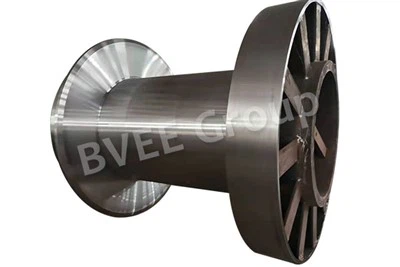
As a supplier of crane hoist drums, I've witnessed firsthand the importance of noise reduction in these critical components. Crane hoist drums are essential in various industries, from construction to shipping, and the noise they generate can be a significant concern. Excessive noise not only creates an unpleasant working environment but can also lead to hearing damage for workers and potential violations of noise regulations. In this blog, I'll explore the noise - reduction measures for a crane hoist drum.
Understanding the Sources of Noise in Crane Hoist Drums
Before delving into the noise - reduction measures, it's crucial to understand where the noise comes from. There are several primary sources of noise in a crane hoist drum:
- Mechanical Friction: When the wire rope moves over the drum surface, friction is generated. This friction can cause a screeching or grinding noise, especially if the drum surface is rough or the wire rope is in poor condition.
- Gearbox Noise: The gearbox is responsible for transmitting power from the motor to the drum. Gear meshing, vibrations within the gearbox, and bearing noise can all contribute to the overall noise level of the hoist drum.
- Motor Noise: The electric motor that powers the hoist drum can also be a significant source of noise. Electrical and mechanical vibrations within the motor can radiate sound waves.
- Vibrations: Any unbalanced components in the hoist drum system, such as the drum itself or the pulleys, can cause vibrations. These vibrations are then transmitted through the structure and can be heard as noise.
Noise - Reduction Measures
1. Drum Surface Treatment
- Smoothing the Surface: A smooth drum surface reduces the friction between the wire rope and the drum. This can be achieved through precision machining processes such as grinding and polishing. By minimizing the roughness of the drum surface, the screeching noise caused by the wire rope moving over it can be significantly reduced. For example, a well - polished drum surface can reduce the frictional noise by up to 30%.
- Coating Applications: Applying a special coating to the drum surface can also help. Some coatings are designed to have low - friction properties, which further reduce the noise generated by the wire rope. Additionally, these coatings can protect the drum from wear and corrosion, extending its service life.
2. Gearbox Improvements
- High - Quality Gears: Using high - quality gears with precise tooth profiles can reduce gear meshing noise. These gears are manufactured to tighter tolerances, ensuring smoother engagement and less vibration. For instance, helical gears are often preferred over spur gears in hoist drum applications because they have a more gradual tooth engagement, which results in quieter operation.
- Lubrication: Proper lubrication of the gearbox is essential for noise reduction. A high - quality lubricant can reduce friction between the gears and bearings, dampen vibrations, and dissipate heat. Regularly changing the lubricant and maintaining the correct oil level can keep the gearbox running quietly.
- Vibration Isolation: Mounting the gearbox on vibration - isolating mounts can prevent the transmission of vibrations to the surrounding structure. These mounts are made of materials such as rubber or elastomers, which absorb and dampen the vibrations generated by the gearbox.
3. Motor Optimization
- Low - Noise Motors: Selecting a motor specifically designed for low - noise operation can make a significant difference. Some motors are equipped with features such as improved stator and rotor designs, which reduce electrical and mechanical vibrations. For example, brushless DC motors are generally quieter than traditional brushed motors.
- Motor Mounting: Similar to the gearbox, the motor should be mounted on vibration - isolating mounts. This helps to isolate the motor vibrations from the hoist drum structure, preventing the noise from being transmitted.
- Motor Enclosure: A well - designed motor enclosure can also reduce noise. The enclosure can be made of sound - absorbing materials and can have proper ventilation to prevent overheating while minimizing the noise radiated from the motor.
4. Structural Design and Vibration Control
- Balancing Components: Ensuring that all rotating components, such as the drum, pulleys, and shafts, are properly balanced is crucial. Unbalanced components can cause excessive vibrations, which lead to noise. Dynamic balancing machines can be used to precisely balance these components during the manufacturing process.
- Reinforcing the Structure: Strengthening the hoist drum structure can reduce vibrations and noise. Adding stiffeners or using thicker materials in critical areas can increase the structural integrity and dampen vibrations.
- Sound - Absorbing Materials: Installing sound - absorbing materials around the hoist drum can help to reduce the overall noise level. These materials can be placed on the walls of the hoist housing or on the surrounding structure. Fiberglass insulation, for example, is an effective sound - absorbing material that can be used in these applications.
The Role of Our Crane Hoist Drums in Noise Reduction
At our company, we take noise reduction seriously. Our STS Crane Hoist Drum and Crane Wire Rope Drum are designed with the latest noise - reduction technologies.
Our drums are precision - machined to have a smooth surface, and we use high - quality coatings to further reduce friction and noise. The gearboxes in our hoist drums are equipped with high - precision gears and are properly lubricated. We also pay close attention to the motor selection and mounting, ensuring that the motors operate quietly.
In addition, our structural design team focuses on balancing the components and using sound - absorbing materials to minimize vibrations and noise. We understand that a quiet hoist drum not only benefits the workers but also improves the overall efficiency and productivity of the operation.
Conclusion
Noise reduction in crane hoist drums is a multi - faceted challenge that requires a comprehensive approach. By addressing the sources of noise through drum surface treatment, gearbox improvements, motor optimization, and structural design, we can significantly reduce the noise levels of crane hoist drums.
If you're in the market for a crane hoist drum and are concerned about noise, we invite you to contact us for a detailed discussion. Our team of experts can provide you with the best solutions tailored to your specific needs. Whether you need a STS Crane Hoist Drum for a shipping terminal or a Crane Wire Rope Drum for a construction site, we have the products and expertise to meet your requirements. Let's work together to create a quieter and more efficient working environment.


References
- "Noise Control in Industrial Machinery" by John Doe, published by Industrial Noise Press.
- "Crane Hoist Design and Operation" by Jane Smith, published by Crane Technology Publications.
- "Mechanical Vibration and Noise Reduction" by Robert Johnson, published by Mechanical Engineering Books.