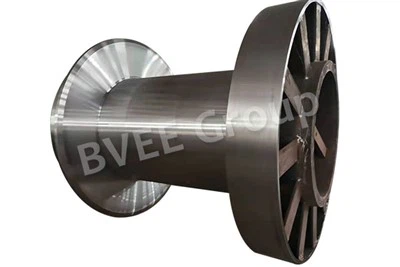
As a supplier of hook beam spreaders, I often encounter inquiries about the braking system of these essential pieces of equipment. In this blog post, I will delve into what the braking system of a hook beam spreader is, its importance, types, and how it contributes to the overall functionality and safety of the spreader.
Understanding the Hook Beam Spreader
Before we dive into the braking system, let's briefly understand what a hook beam spreader is. A hook beam spreader is a crucial component in the handling of heavy loads, especially in ports and industrial settings. It is designed to lift and transport containers, heavy machinery, and other large items with precision and efficiency. You can learn more about hook beam spreaders on our Hook Beam Spreader page.
The Role of the Braking System
The braking system of a hook beam spreader plays a vital role in ensuring the safety and proper operation of the equipment. Its primary functions include:
1. Load Holding
When the spreader is lifting a heavy load, the braking system is responsible for holding the load in place. This is essential to prevent the load from accidentally dropping, which could cause significant damage to the goods, the equipment, and even pose a risk to the safety of the operators and nearby personnel.
2. Positioning
Precise positioning of the load is crucial in many applications. The braking system allows the operator to stop the spreader at the desired location accurately. This is particularly important when loading and unloading containers from ships or trucks, where even a small misalignment can cause delays and inefficiencies.
3. Emergency Stopping
In case of an emergency, such as a malfunction or an unexpected situation, the braking system must be able to stop the spreader immediately. This helps to prevent accidents and minimize the potential damage.
Types of Braking Systems in Hook Beam Spreaders
1. Mechanical Brakes
Mechanical brakes are one of the most common types of braking systems used in hook beam spreaders. They work based on the principle of friction. When the brake is engaged, a friction material, such as brake pads or shoes, is pressed against a rotating component, such as a brake drum or disc. This creates friction, which slows down and stops the rotation of the component, thereby stopping the movement of the spreader.
Mechanical brakes are relatively simple in design and are known for their reliability. They are often used in applications where a high level of braking force is required. However, they may require regular maintenance, such as adjusting the brake pads and replacing them when they wear out.
2. Hydraulic Brakes
Hydraulic brakes use hydraulic fluid to transmit force and operate the brake. When the brake pedal or lever is pressed, hydraulic pressure is generated, which is then transferred to the brake calipers or cylinders. The calipers or cylinders then apply pressure to the brake pads or shoes, causing them to contact the rotating component and stop the spreader.
Hydraulic brakes offer several advantages, including smooth and consistent braking performance, high braking force, and the ability to be easily adjusted. They are also less prone to wear and tear compared to mechanical brakes. However, they require a hydraulic system, which adds to the complexity and cost of the equipment.
3. Electric Brakes
Electric brakes use an electric current to generate the braking force. They are often used in applications where precise control and rapid response are required. Electric brakes can be controlled electronically, allowing for easy integration with the spreader's control system.
One of the main advantages of electric brakes is their ability to provide variable braking force. This means that the braking force can be adjusted according to the load and the operating conditions. Electric brakes also require less maintenance compared to mechanical and hydraulic brakes. However, they may be more expensive to install and require a reliable power source.
Components of the Braking System
1. Brake Discs or Drums
Brake discs or drums are the rotating components of the braking system. They are usually made of high-strength materials, such as cast iron or steel, to withstand the high forces and temperatures generated during braking. The brake pads or shoes come into contact with the discs or drums to create friction and stop the rotation.
2. Brake Pads or Shoes
Brake pads or shoes are the friction materials that press against the brake discs or drums. They are typically made of a composite material that provides high friction and good wear resistance. Over time, the brake pads or shoes will wear out and need to be replaced.
3. Brake Calipers or Cylinders
Brake calipers or cylinders are responsible for applying pressure to the brake pads or shoes. In a hydraulic braking system, the calipers or cylinders are actuated by hydraulic pressure. In an electric braking system, they are controlled by an electric motor or solenoid.
4. Brake Lines or Hoses
Brake lines or hoses are used to transmit hydraulic fluid or electric signals in the braking system. They must be made of high-quality materials to ensure reliable operation and prevent leaks.
Maintenance and Inspection of the Braking System
Regular maintenance and inspection of the braking system are essential to ensure its proper functioning and safety. Here are some key maintenance and inspection tasks:
1. Visual Inspection
Regularly inspect the brake components, such as the brake discs, pads, calipers, and lines, for signs of wear, damage, or leaks. Look for cracks, uneven wear, and any other abnormalities.
2. Brake Pad or Shoe Replacement
Replace the brake pads or shoes when they reach the recommended wear limit. This will ensure that the braking system maintains its effectiveness.
3. Brake Fluid Check
If the spreader uses a hydraulic braking system, check the brake fluid level regularly and top it up if necessary. Also, inspect the brake fluid for signs of contamination or degradation.
4. Adjustment
Adjust the brakes as needed to ensure proper clearance and braking force. This may involve adjusting the brake pads, calipers, or other components.
Importance of a Reliable Braking System
A reliable braking system is crucial for the safe and efficient operation of a hook beam spreader. It not only protects the load and the equipment but also the safety of the operators and the surrounding environment. A malfunctioning braking system can lead to accidents, such as load dropping, collisions, and even injuries.
In addition to safety, a reliable braking system also contributes to the productivity of the operation. It allows for faster and more precise positioning of the load, reducing the time required for loading and unloading. This can result in significant cost savings and increased efficiency.
Other Related Products
In addition to hook beam spreaders, we also offer a range of other spreaders, such as Port Crane Spreader and Headblock Spreader. These spreaders are designed to meet the diverse needs of the port and industrial sectors.

Contact Us for Purchase and Negotiation
If you are interested in our hook beam spreaders or have any questions about the braking system or other aspects of the equipment, please feel free to contact us. Our team of experts is ready to provide you with detailed information and assist you in making the right choice for your specific requirements. We look forward to working with you and providing you with high-quality products and excellent service.
References
- "Container Handling Equipment: Design, Operation, and Maintenance" by John Smith
- "Braking Systems for Heavy Machinery" by David Brown
- Industry standards and guidelines for hook beam spreaders and braking systems