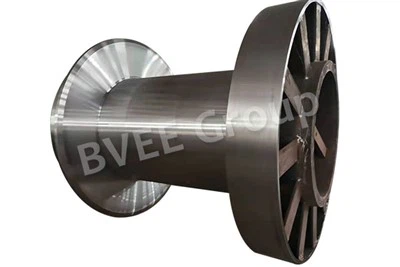
Balancing a wire rope sheave is a crucial aspect in various industrial applications, especially when it comes to ensuring the smooth and efficient operation of lifting and hoisting equipment. As a wire rope sheave supplier, I have witnessed firsthand the importance of proper sheave balancing. In this blog post, I will share some insights on how to balance a wire rope sheave effectively.


Understanding the Importance of Balancing
Before delving into the balancing process, it's essential to understand why balancing a wire rope sheave is so important. An unbalanced sheave can lead to a multitude of problems, including excessive vibration, premature wear and tear on the sheave and the wire rope, and even safety hazards. Vibration can cause the wire rope to rub against the sheave unevenly, leading to fraying and breakage. It can also affect the accuracy of the lifting equipment, making it difficult to control the load.
In addition, an unbalanced sheave can put extra stress on the bearings and other components of the lifting system, reducing their lifespan and increasing the risk of mechanical failures. By balancing the sheave, we can minimize these issues, improve the performance of the equipment, and enhance safety in the workplace.
Tools and Equipment Needed
To balance a wire rope sheave, you will need the following tools and equipment:
- Balancing Machine: A balancing machine is the most important tool for this task. It measures the amount and location of the imbalance in the sheave and provides a clear indication of where the corrective weights need to be added or removed.
- Weights: You will need a set of weights of different sizes to add or remove from the sheave to correct the imbalance.
- Measuring Tools: A micrometer or a caliper can be used to measure the dimensions of the sheave accurately.
- Cleaning Supplies: Before balancing the sheave, it's important to clean it thoroughly to remove any dirt, debris, or grease that could affect the balancing process.
The Balancing Process
The balancing process can be divided into the following steps:
Step 1: Preparation
- Inspect the Sheave: Before starting the balancing process, carefully inspect the sheave for any signs of damage, such as cracks, dents, or excessive wear. If any damage is found, the sheave should be repaired or replaced before proceeding.
- Clean the Sheave: Use a suitable cleaning agent to clean the sheave thoroughly. Make sure to remove all dirt, debris, and grease from the surface of the sheave.
- Mount the Sheave on the Balancing Machine: Follow the manufacturer's instructions to mount the sheave on the balancing machine securely. Make sure the sheave is centered and aligned properly on the machine.
Step 2: Initial Measurement
- Run the Balancing Machine: Start the balancing machine and let it run for a few minutes to measure the initial imbalance of the sheave. The machine will display the amount and location of the imbalance.
- Record the Results: Record the results of the initial measurement. This will serve as a baseline for the corrective actions.
Step 3: Corrective Action
- Add or Remove Weights: Based on the results of the initial measurement, add or remove weights from the sheave to correct the imbalance. The weights should be added or removed at the appropriate locations on the sheave, as indicated by the balancing machine.
- Re-measure the Sheave: After adding or removing the weights, run the balancing machine again to measure the new imbalance of the sheave. Repeat the process of adding or removing weights until the imbalance is within the acceptable limits.
Step 4: Final Check
- Verify the Balance: Once the imbalance is within the acceptable limits, perform a final check to ensure that the sheave is balanced properly. This can be done by running the lifting equipment with the balanced sheave and observing its performance.
- Secure the Weights: After the balance is verified, secure the weights in place using a suitable adhesive or mechanical fasteners to prevent them from coming loose during operation.
Types of Wire Rope Sheaves and Their Balancing Considerations
As a wire rope sheave supplier, we offer a wide range of sheaves, each with its own unique characteristics and balancing requirements. Here are some common types of wire rope sheaves and their balancing considerations:
Hot Rolling Crane Sheave
Hot rolling crane sheaves are designed for heavy-duty applications in the crane industry. These sheaves are typically made of high-strength steel and are subjected to high loads and stresses. When balancing a hot rolling crane sheave, it's important to consider the following factors:
- Material Properties: The material properties of the sheave, such as density and hardness, can affect the balancing process. Make sure to use the appropriate weights and balancing techniques based on the material of the sheave.
- Load Capacity: Hot rolling crane sheaves are designed to handle high loads. Therefore, it's important to ensure that the balanced sheave can withstand the maximum load it will be subjected to during operation.
- Operating Conditions: The operating conditions, such as temperature, humidity, and vibration, can also affect the balance of the sheave. Consider these factors when selecting the balancing machine and the weights.
For more information about hot rolling crane sheaves, you can visit our website: Hot Rolling Crane Sheave.
Catenary Trolley Rope Tensioner Device
Catenary trolley rope tensioner devices are used to maintain the proper tension in the wire rope of a catenary trolley system. These devices typically consist of a sheave and a tensioning mechanism. When balancing a catenary trolley rope tensioner device, the following points should be noted:
- Tensioning Mechanism: The tensioning mechanism can affect the balance of the sheave. Make sure to adjust the tensioning mechanism properly before balancing the sheave to ensure accurate results.
- Alignment: Proper alignment of the sheave and the tensioning mechanism is crucial for the smooth operation of the device. Check the alignment during the balancing process and make any necessary adjustments.
- Dynamic Balance: Since the catenary trolley rope tensioner device is in constant motion, it's important to achieve dynamic balance to minimize vibration and wear.
For more details about catenary trolley rope tensioner devices, please visit: Catenary Trolley Rope Tensioner Device.
Welding Sheave
Welding sheaves are used in welding equipment to guide the wire rope. These sheaves are often exposed to high temperatures and welding spatter, which can affect their balance. When balancing a welding sheave, consider the following:
- Heat Resistance: Select weights and balancing materials that can withstand the high temperatures generated during welding.
- Protection from Spatter: Welding spatter can accumulate on the sheave and affect its balance. Use appropriate protective measures, such as shields or coatings, to prevent spatter from adhering to the sheave.
- Regular Maintenance: Due to the harsh operating conditions, welding sheaves require regular maintenance and re-balancing to ensure optimal performance.
For more information about welding sheaves, you can refer to: Welding Sheave.
Tips for Successful Balancing
- Follow the Manufacturer's Instructions: Always follow the manufacturer's instructions when using the balancing machine and other tools. This will ensure that the balancing process is carried out correctly and safely.
- Use High-Quality Weights: Using high-quality weights is essential for accurate balancing. Low-quality weights may not provide the necessary precision and can lead to inaccurate results.
- Perform Regular Maintenance: Regular maintenance of the sheave and the balancing equipment is crucial to ensure their long-term performance. Clean the sheave regularly, check the weights for any signs of damage or wear, and calibrate the balancing machine periodically.
- Train Your Staff: Make sure that your staff is properly trained in the balancing process. A well-trained operator can perform the balancing task more efficiently and accurately, reducing the risk of errors and improving the overall quality of the work.
Conclusion
Balancing a wire rope sheave is a critical task that requires careful attention to detail and the use of the right tools and techniques. By following the steps outlined in this blog post and considering the specific requirements of different types of sheaves, you can ensure that your wire rope sheaves are balanced properly, improving the performance and safety of your lifting and hoisting equipment.
As a wire rope sheave supplier, we are committed to providing high-quality sheaves and comprehensive technical support to our customers. If you have any questions or need assistance with balancing your wire rope sheaves, please feel free to contact us. We look forward to working with you to meet your industrial needs.
References
- ASME B30.20 - Safety Standard for Below-the-Hook Lifting Devices
- ISO 1940 - Mechanical vibration - Balance quality requirements of rigid rotors