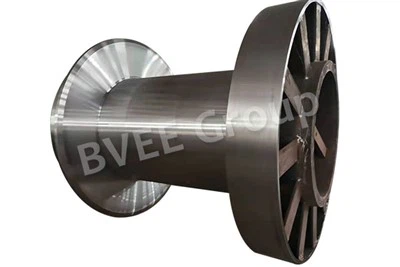
A Ship-to-Shore (STS) gantry crane is an essential piece of equipment in modern container terminals. It plays a crucial role in the rapid and efficient transfer of containers between ships and the terminal. Among its various components, the spreader stands out as a key element that significantly affects the crane's overall performance and operational efficiency. In this article, as an STS gantry crane supplier, I will delve into the role of the spreader in an STS gantry crane.
1. Definition and Basic Structure of the Spreader
The spreader is a specialized attachment integrated into the STS gantry crane. It is designed to handle and secure containers during the lifting, moving, and placing operations. A typical spreader consists of a frame structure, twist locks, hydraulic systems, and control units. The frame provides the structural support, while the twist locks are used to engage with the corner castings of the containers. The hydraulic systems are responsible for operating the twist locks and other movable parts of the spreader, and the control units ensure precise and coordinated movements.
2. Container Handling and Securement
One of the primary roles of the spreader is to handle containers of different sizes and types. Modern spreaders are highly adaptable and can accommodate various container dimensions, such as 20 - foot, 40 - foot, and 45 - foot containers. The spreader can be adjusted hydraulically to match the length of the container it is about to lift. This flexibility is crucial in a container terminal where different container sizes are constantly being handled.


The securement of the container is another critical function. The twist locks on the spreader are designed to fit precisely into the corner castings of the container. Once the spreader is positioned over the container, the twist locks are rotated and locked into place, creating a strong and stable connection between the spreader and the container. This ensures that the container remains securely attached to the spreader during lifting, movement, and placement, minimizing the risk of accidents and damage to the container and its contents. For more information on the overall operation of the STS gantry crane, you can refer to STS And RTG Crane.
3. Precision Lifting and Placement
The spreader enables precise lifting and placement of containers. With the help of advanced control systems, the spreader can be accurately positioned over the container on the ship or in the terminal yard. The control systems use sensors and feedback mechanisms to ensure that the spreader is level and aligned correctly with the container. This precision is essential for efficient container handling, as it reduces the time required for each lifting and placement operation.
During the lifting process, the spreader distributes the weight of the container evenly across the crane's hoist ropes. This balanced weight distribution helps to maintain the stability of the crane and reduces the stress on its components. When placing the container, the spreader can be precisely lowered to the desired location, whether it is on a truck, a train, or another storage area in the terminal. This precision also contributes to the overall safety of the operation, as it minimizes the chances of collisions and misalignments.
4. Compatibility with Different Container Types
In addition to handling different container lengths, the spreader is also compatible with various container types, such as standard dry containers, refrigerated containers, and open - top containers. For refrigerated containers, the spreader may be equipped with electrical connections to provide power to the container's refrigeration unit during transportation. This ensures that the temperature - sensitive contents of the refrigerated container are maintained at the appropriate temperature.
For open - top containers, the spreader can be adjusted to handle the different loading and unloading requirements. The ability to handle different container types makes the STS gantry crane with its spreader a versatile and valuable asset in a container terminal.
5. Contribution to Operational Efficiency
The spreader significantly contributes to the operational efficiency of the STS gantry crane. By enabling quick and precise container handling, it reduces the time required for each container transfer. This leads to a higher number of container moves per hour, increasing the throughput of the container terminal.
Moreover, the spreader's ability to handle different container sizes and types without the need for extensive manual adjustments or equipment changes streamlines the operation. Terminal operators can handle a wide variety of containers with a single STS gantry crane, reducing the need for multiple cranes and associated equipment. This not only saves costs but also improves the overall efficiency of the terminal. You can find more details about the crane's travelling mechanism, which is related to the overall operational efficiency, in Container Gantry Crane Travelling Mechanism.
6. Safety Enhancement
Safety is a top priority in container terminal operations. The spreader plays a vital role in enhancing safety. Its secure locking mechanism ensures that the container remains firmly attached to the spreader during all phases of the operation. This reduces the risk of container drops, which can cause serious damage to the terminal infrastructure, the crane itself, and pose a significant safety hazard to workers.
The spreader's control systems also include safety features such as overload protection and emergency stop functions. These features help to prevent accidents caused by overloading or other abnormal operating conditions. Additionally, the precise positioning capabilities of the spreader reduce the chances of collisions between containers, trucks, and other equipment in the terminal, further enhancing safety.
7. Maintenance and Reliability
As an STS gantry crane supplier, we understand the importance of the spreader's maintenance and reliability. Regular maintenance of the spreader is essential to ensure its proper functioning. This includes checking and lubricating the twist locks, inspecting the hydraulic systems for leaks and proper operation, and testing the control units.
We provide our customers with comprehensive maintenance guidelines and support to ensure that their spreaders remain in good working condition. Our high - quality spreaders are designed with durability in mind, using robust materials and advanced manufacturing techniques. The reliability of the spreader is crucial for the uninterrupted operation of the STS gantry crane and the container terminal as a whole. To understand more about the structural components related to the crane's reliability, such as the Bogie Structure, you can visit the provided link.
8. Future Developments
The role of the spreader in STS gantry cranes is likely to evolve in the future. With the increasing demand for higher efficiency and automation in container terminals, spreaders are expected to become more intelligent and automated. For example, future spreaders may be equipped with advanced sensors and artificial intelligence algorithms to optimize container handling operations. These sensors can detect the position, weight, and condition of the container more accurately, allowing for even more precise and efficient handling.
In addition, the development of new materials and manufacturing techniques may lead to the production of lighter and stronger spreaders. This would reduce the overall weight of the crane and improve its energy efficiency.
Contact for Procurement
If you are interested in our STS gantry cranes and the advanced spreaders we offer, we invite you to contact us for procurement discussions. Our team of experts is ready to provide you with detailed information, customized solutions, and competitive pricing. We are committed to helping you enhance the efficiency and safety of your container terminal operations.
References
- Smith, J. (2018). Container Terminal Operations: Principles and Best Practices. Elsevier.
- Johnson, R. (2020). Advances in Crane Technology for Port Applications. Journal of Port Engineering, 15(2), 45 - 56.