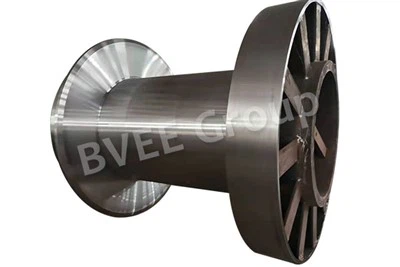
Hey there! I'm a supplier of bogie structures, and today I'm gonna talk about the materials used in bogie structure. Bogies are a crucial part of various types of cranes, like the ones you can check out on these links: Bogie Structure, STS And RTG Crane, and Container Gantry Crane Travelling Mechanism.
Steel: The Go - To Material
Steel is hands - down the most common material for bogie structures. It's got some amazing properties that make it ideal for this job. First off, steel is super strong. It can handle a whole lot of weight and stress without breaking or deforming easily. This is really important because bogies have to support the weight of the crane itself and whatever it's lifting.
There are different types of steel used, too. Carbon steel is a popular choice. It's relatively inexpensive and has good strength. But for more demanding applications, alloy steels are often used. Alloy steels have other elements added to them, like chromium, nickel, or molybdenum. These elements improve the steel's properties, such as its hardness, toughness, and corrosion resistance.
For example, in a container gantry crane, the bogies need to be able to withstand the heavy loads of shipping containers. Alloy steel bogies can do the job much better than carbon steel ones in this case. They can handle the constant stress and wear and tear over a long period of time.
Cast Iron
Cast iron is another material that's sometimes used in bogie structures. It's known for its high compressive strength. That means it can handle a lot of pressure pushing down on it. Cast iron is also quite rigid, which is useful for maintaining the shape of the bogie.
One of the advantages of cast iron is its good damping capacity. This means it can absorb vibrations. In a crane, vibrations can be a problem because they can affect the stability of the load and the overall performance of the crane. Cast iron bogies can help reduce these vibrations, making the crane operate more smoothly.
However, cast iron has its limitations. It's brittle compared to steel. That means it can crack or break more easily if it's subjected to sudden impacts or excessive bending forces. So, it's usually used in parts of the bogie where the loads are mainly compressive and there's not much risk of sudden shocks.
Aluminum Alloys
Aluminum alloys are becoming more and more popular in bogie structures, especially in applications where weight is a concern. Aluminum is much lighter than steel or cast iron. This can be a huge advantage because a lighter bogie means less overall weight for the crane. And a lighter crane can use less energy to operate.
Aluminum alloys also have good corrosion resistance. They form a thin oxide layer on their surface when exposed to air, which protects them from rusting. This is really useful in outdoor cranes that are exposed to the elements.
But aluminum alloys aren't as strong as steel. So, they're usually used in situations where the loads are relatively light. For example, in some smaller cranes or in parts of the bogie that don't have to support the main weight of the crane.
Composite Materials
Composite materials are a bit of a new kid on the block when it comes to bogie structures. These materials are made by combining two or more different materials to get the best properties of each. For example, a composite might be made of a fiber - reinforced polymer. The fibers, which can be made of materials like carbon or glass, provide strength, while the polymer matrix holds the fibers together and gives the material its shape.
One of the advantages of composite materials is their high strength - to - weight ratio. They can be very strong while still being lightweight. They also have good fatigue resistance, which means they can withstand repeated loading and unloading without failing.
However, composite materials are more expensive than traditional materials like steel or aluminum. And they can be more difficult to manufacture. So, they're not as widely used yet, but I think we'll see more of them in the future as the technology improves and the costs come down.
Choosing the Right Material
As a bogie structure supplier, I know that choosing the right material is crucial. It depends on a lot of factors. The first factor is the load capacity. If the crane is going to be lifting very heavy loads, then steel or alloy steel is probably the best choice. But if weight is a big issue, then aluminum alloys or composite materials might be better.
The environment is also important. If the crane is going to be used in a corrosive environment, like near the ocean, then materials with good corrosion resistance, such as alloy steels or aluminum alloys, are a must.
Cost is always a consideration, too. Some materials are more expensive than others. And the manufacturing process for certain materials can also add to the cost. So, we have to balance the performance requirements with the budget of the customer.
Our Offerings
At our company, we offer bogie structures made from all these different materials. We can customize the bogie according to the specific needs of our customers. Whether you need a heavy - duty steel bogie for a large container gantry crane or a lightweight aluminum alloy bogie for a small indoor crane, we've got you covered.


We use the latest manufacturing techniques to ensure the highest quality of our bogie structures. Our team of experts can help you choose the right material for your application. We understand that every customer is different, and we're committed to providing the best solution for you.
If you're in the market for bogie structures, I encourage you to get in touch with us. We'd love to have a chat with you about your requirements and see how we can help. Whether you're building a new crane or replacing old bogies, we can offer you high - quality products at competitive prices.
References
- "Materials Science and Engineering: An Introduction" by William D. Callister Jr. and David G. Rethwisch
- "Crane Design and Engineering" by various industry experts