

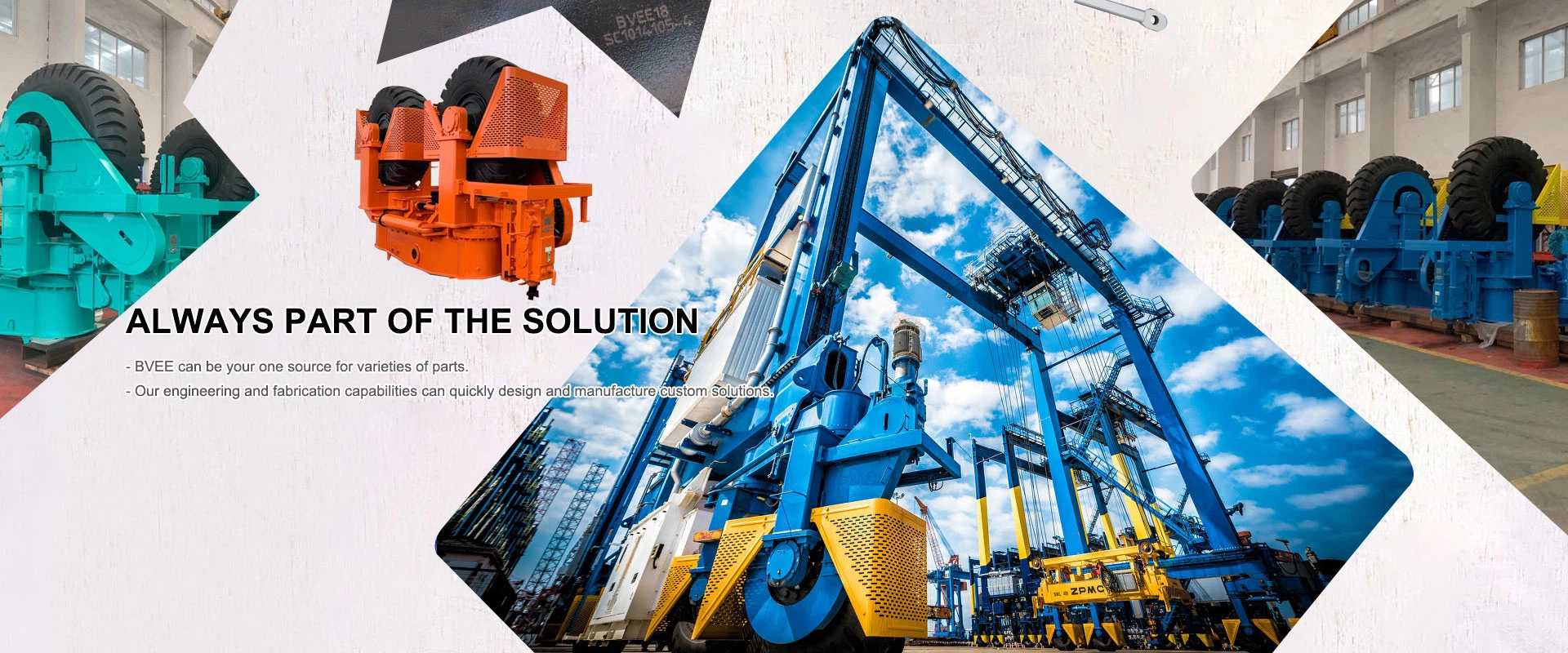
The biggest difference between the two is the cost of construction for a gantry crane is cheaper. To sustain the load, a bridge overhead traveling crane requires significantly more structure, which raises the crane's overall cost. Bridge overhead cranes need columns all the way down the crane to support the two run way beams, whereas gantry cranes only need one set of upright structures and no run way beams. Because a gantry crane may use the floor as a supporting structure, a typical installation will save thousands of pounds of steel and labor.
Use of space- A gantry crane, for example, has no columns but does have a track that runs the length of the runway on the ground. This necessitates separating this section of the shop and reserving it solely for the crane. Everything is in the air in a bridge beam crane system, thus the space beneath the crane can be used for walkways, doorways, or storage. This area will not have crane coverage, but it is not dead space. As a result, a bridge overhead traveling crane will allow you to make greater use of space while covering the same area.
Crane Safety and Maintenance-Both crane systems require regular maintenance and inspections by a competent individual. The components of a bridge overhead traveling crane will be higher above the ground, making inspection more challenging. All of the functioning parts of a gantry crane are on the ground and easily accessible. On the same note, the gantry crane's tracks will be more vulnerable to damage because they are on the ground. Because there are electrical and pinch points at ground level, gantry cranes represent an increased safety risk.
Ability to Transfer Loads- One feature of gantry cranes that I believe is underappreciated is the ability to cantilever a load past the vertical upright and out of the crane's coverage area. This is very popular in shipyards, where a cantilevered part of a gantry crane is used to pull shipping containers off of ships and store them between the uprights. Another cantilever on the other side is used to load trucks. This can only be done with a gantry crane system since bridge overhead traveling cranes have fixed runway beams that prevent this. This type of operation has potential in a hybrid crane system over a steel yard, where the crane's cantilevered section is utilized to unload steel from a truck parked parallel to the crane's length. The material can be sorted and stored beneath the crane's main body. Another use that comes to mind is transporting a load across the crane boundaries from one shop bay to the next.With a bridge beam, you'd have to lower the load and move it across the dead space in some other way, whereas with a gantry crane, you could simply shift the load across a cantilevered part.
Temporary Installation- In situations where the crane system is only a temporary installation in a building, a gantry crane would really shine. If you rented a shop or factory instead of spending the money on a bridge overhead traveling crane that would never leave the building, you could design a gantry crane system that could be transported to a new location at a later date with relative ease.


